

 Phoenix 24
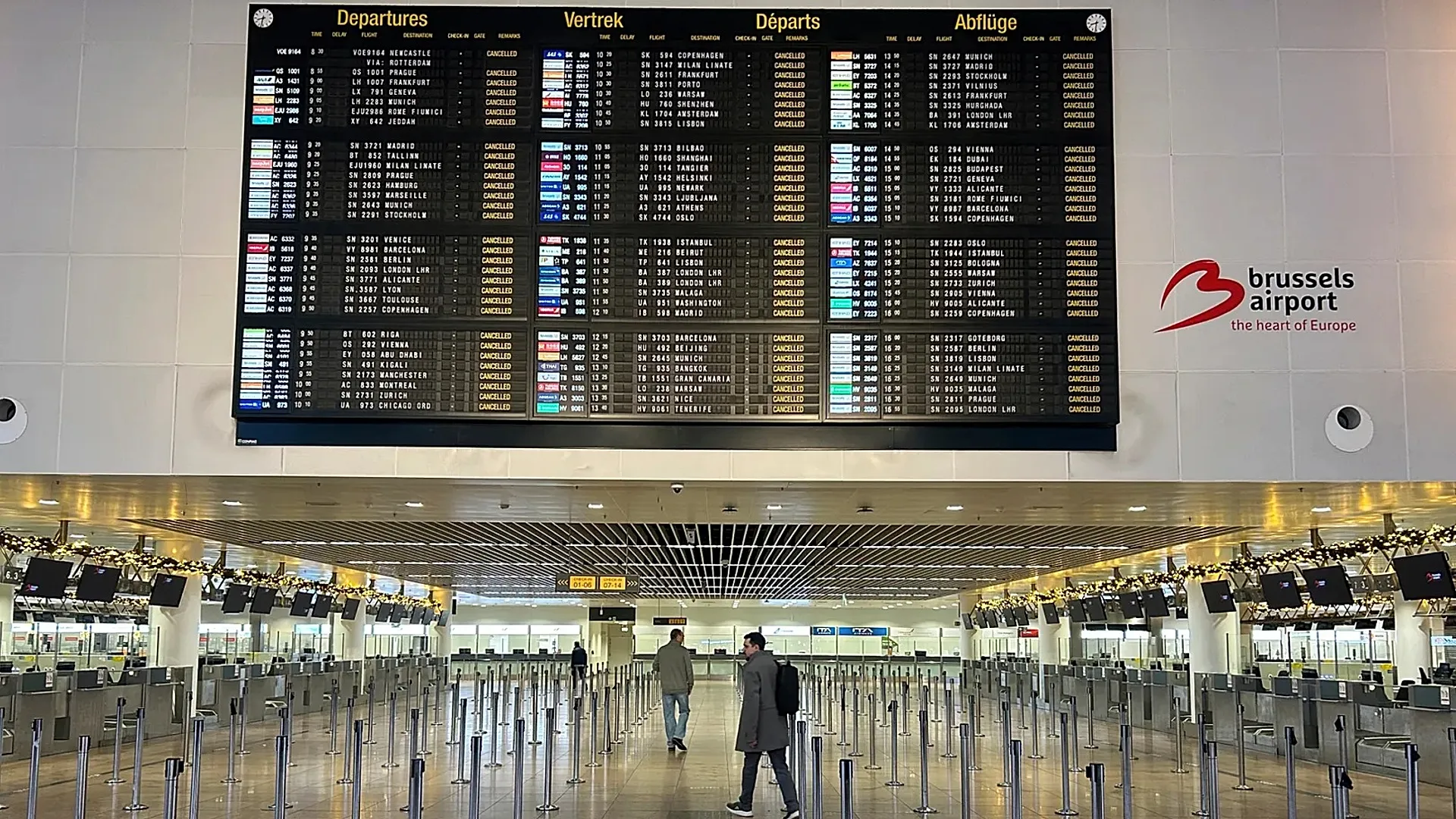
Sometimes a political pause reveals more than a decision, and in Brussels the silence is now louder than the debate itself.
Brussels, November 2025
Negotiations inside the European institutions to update air passenger protections collapsed once again, leaving the continent’s most widely used transport sector operating under rules that experts from the European Commission, the International Air Transport Association and consumer protection advocates across North America have repeatedly described as outdated. The failure to reach consensus came after months of technical consultations and years of intermittent political deadlock, a pattern that has gradually eroded the sense of regulatory certainty for millions of travelers.
European lawmakers had attempted to introduce a modernized framework that would redefine compensation thresholds, clarify the responsibilities of airlines during severe disruptions and create a more transparent path for consumer claims. Analysts at the Peterson Institute noted recently that regulatory fragmentation tends to benefit larger carriers with stronger legal departments, while passengers remain exposed to uneven criteria across borders. This imbalance was meant to be corrected with the new package, yet the political cost of approving it proved too high for several member states.
Consumer organizations from multiple regions have argued that the current definition of extraordinary circumstances, which determines when airlines are exempt from compensating passengers, is so ambiguous that it weakens enforcement. That concern has also been shared by air mobility researchers in Asia, who warn that the European model, once considered a global benchmark, risks losing influence as jurisdictions like South Korea and Singapore adopt stronger digital claims systems and more precise disruption protocols. In contrast, Europe’s reform remains stalled before reaching the decisive legal phase.
Within the Council, positions diverged sharply. Some governments feared that higher compensation would translate into rising ticket prices, particularly on low-demand regional routes. Others argued that airlines have benefited for too long from loopholes that limit their accountability. Behind closed doors, industry representatives urged ministers to delay any vote, claiming that the reform could threaten operational continuity and increase financial exposure. According to economic observers in the United States, this tactic is consistent with previous cycles in which large carriers mobilized diplomatic pressure to slow regulatory changes during periods of market volatility.
The collapsed reform would have introduced incremental increases in compensation, a simplified claims system and an obligation for airlines to provide real-time disruption data to national regulators. Specialists in transport governance have pointed out that the absence of such transparency is one of the main factors preventing consistent enforcement across the union’s 27 aviation authorities. Without updated standards, the fragmented interpretation of delays, cancellations and rebooking obligations remains largely unchanged.
The timing of the paralysis is particularly sensitive. Air traffic across Europe has surged, surpassing pre-pandemic volumes, while the continent faces chronic staff shortages, weather-related disruptions and intensified competition among low-cost carriers. Analysts from the European Union Aviation Safety Agency have highlighted the growing operational stress on the sector, noting that outdated rules make it harder to maintain predictability for consumers in high-traffic seasons.
At street level, the political cost of the stalemate is becoming more visible. Consumer groups accuse governments of prioritizing airline interests over public protection, while policymakers counter that an overly rigid reform could backfire economically. For now, however, no official timeline has been set to revive the negotiations, and the Commission’s original proposal remains in institutional limbo.
As uncertainty grows, the debate is shifting from whether reform is needed to how long the status quo can last before the system becomes structurally obsolete. In practice, travelers must still navigate the same complex landscape of variable compensation standards, opaque interpretations of extraordinary circumstances and slow response times from carriers, with little indication that the situation will improve soon.
Phoenix24: clarity in the grey zone. / Phoenix24: clarity in the grey zone.