

 Phoenix 24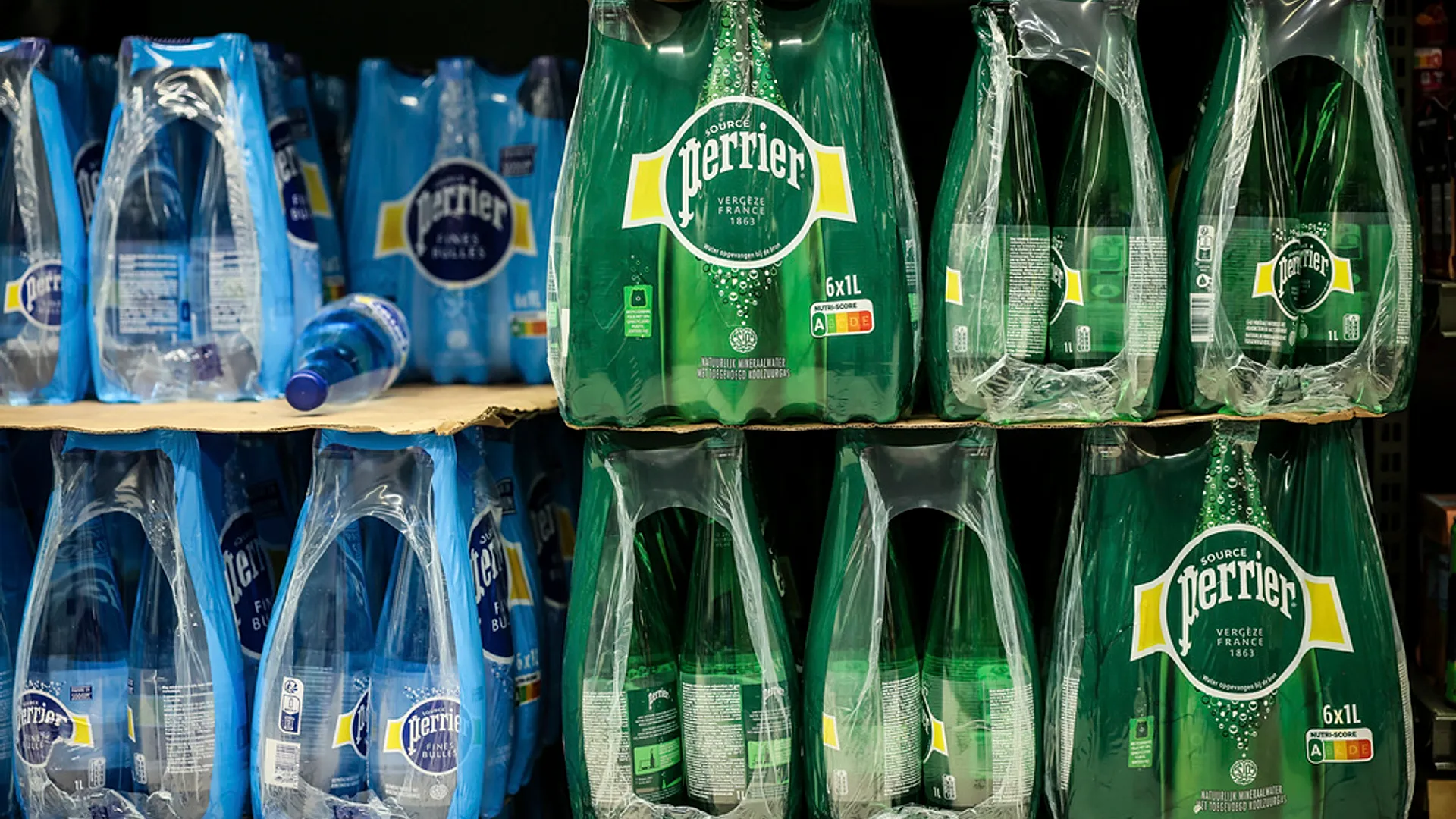
Purity becomes a battlefield.
Paris, November 2025. France’s decision to dismiss the legal challenge against Perrier has reignited a global debate over what “natural mineral water” truly means in an era where industrial processes, environmental stress and regulatory scrutiny collide. The ruling, delivered by a civil court on the outskirts of Paris, allows Perrier to continue marketing its iconic product without modification to its designation, despite months of public controversy over treatment practices at the company’s historic spring. Far from closing the chapter, the judgment reveals a deeper tension between consumer expectations, corporate standards and the responsibility of regulators to safeguard public confidence in a heavily symbolic industry.
The legal challenge, initiated by a prominent consumer-rights association, argued that the company’s use of micro-filtration and other treatments risked violating European rules that restrict interventions in waters labeled as “natural mineral.” These rules, long considered strict pillars of Europe’s food-safety architecture, demand that the water remain microbiologically stable at the source and prohibit processes that could alter its original composition. The plaintiffs insisted that Perrier’s practices cast doubt on whether the water reaching consumers could still be considered untouched. Yet the court concluded that there was insufficient evidence of imminent harm or demonstrable alteration of mineral content, granting Nestlé Waters a reprieve that shields one of its flagship brands from immediate disruption.
However, the ruling does not resolve the underlying concerns. In France, mineral water is not merely a beverage but a culturally anchored symbol tied to regional identity, public health and environmental stewardship. The nation hosts dozens of protected springs whose exploitation requires adherence to strict geological, microbiological and industrial standards. Any case involving a major brand inevitably carries consequences for the entire sector. Regulators now face renewed pressure to clarify how filtration thresholds should be interpreted when climate change and fluctuating groundwater conditions complicate traditional standards. The question is no longer only whether Perrier complied with existing rules, but whether those rules adequately reflect today’s environmental realities.
Across Europe, the episode has triggered wider reflection. Countries with strong bottled-water markets follow the French ruling as a precedent that may influence future legal disputes involving purity claims and industrial interventions. Environmental agencies warn that intense agricultural activity, rising temperatures and groundwater depletion increasingly challenge the resilience of natural springs. As contamination episodes become more frequent, companies may be tempted to adopt filtration processes that stretch regulatory definitions. This tension pits safety against authenticity, forcing governments to evaluate whether existing frameworks can realistically govern an industry under new ecological pressures.
Asia and the Middle East observe the Perrier case through a commercial lens. Premium bottled water remains a rapidly expanding market in regions where trust in tap water varies widely. For distributors and retailers, the credibility of European labels represents a selling point tied to perceptions of high quality and strict oversight. The French ruling offers short term reassurance but also underscores the fragility of reputation when questions about treatment methods emerge. Countries in these regions have begun strengthening their own labeling standards and may tighten import controls if controversies continue, recognizing that consumer trust in the category relies on the idea of purity rather than processing.
In the Americas, the decision resonates through an industry already marked by debates over corporate extraction rights, environmental sustainability and the commercialization of natural resources. Perrier’s case reopens discussions on how groundwater is monitored, who bears responsibility for ensuring long term aquifer stability and how industrial bottling interacts with communities that depend on those water sources. While France’s ruling concerned compliance under European law, the broader message translates across borders: mineral water companies are expected not only to follow the letter of regulation but to uphold a narrative of integrity capable of surviving public scrutiny.
For Nestlé Waters, the judgment offers breathing room but not resolution. The company must demonstrate transparency in its operations, strengthen internal compliance mechanisms and rebuild confidence among consumers who followed the controversy closely. Public memory in such cases tends to outlast the legal verdict. The brand’s global identity depends on maintaining the perception that its water is genuinely natural, an expectation that leaves little margin for ambiguity. Even as the court dismissed the immediate challenge, the underlying questions about industrial processes, source protection and regulatory clarity remain open.
France’s decision also influences how the bottled-water industry positions itself amid growing environmental awareness. Consumers increasingly expect companies to disclose how they manage water sources, ensure ecosystem integrity and prevent overextraction. In a marketplace where sustainability claims are scrutinized as closely as purity claims, Perrier and its competitors must navigate a future in which regulatory compliance is necessary but insufficient. They will be judged just as strongly on their environmental footprint and the resilience of their supply chains.
The ruling thus becomes a signal to global industry leaders: the legitimacy of mineral water depends not only on legal definitions but on transparent practices capable of withstanding public examination. The case demonstrates that even heritage brands operate in an environment where trust is earned continually and where scientific, regulatory and environmental expectations intersect. What was resolved in a Paris courtroom now reverberates across markets, shaping how governments, corporations and consumers think about the meaning of purity in a changing world.
Against propaganda, memory. / Against propaganda, memory.