

 Phoenix 24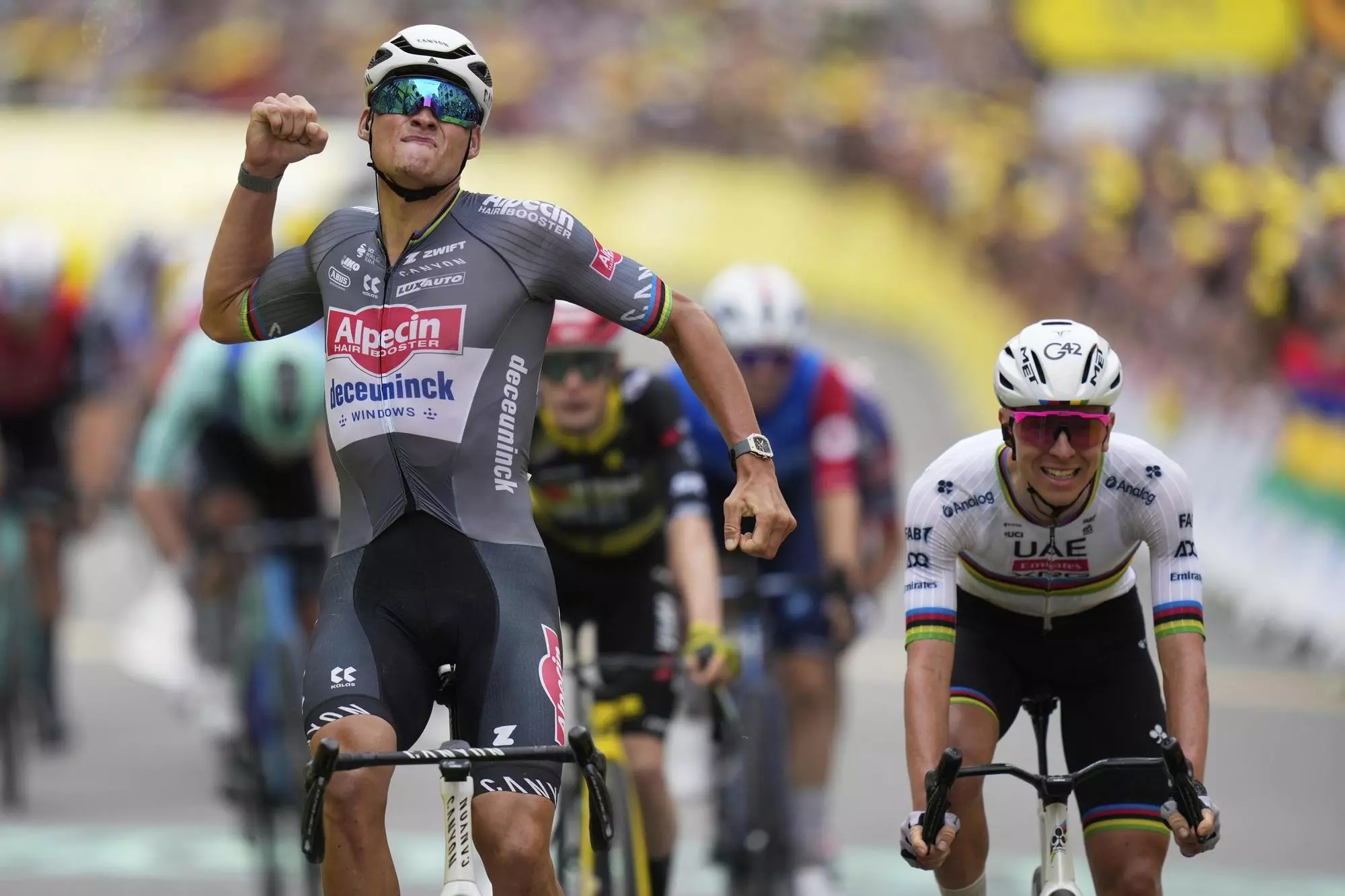
There are moments in sport when ambition stops sounding like a plan and begins to feel like a provocation to the impossible.
Amsterdam, November 2025.
Mathieu van der Poel has placed the cycling world on alert once again by signaling that his competitive agenda for the coming season may extend far beyond the traditional boundaries of road racing. After a year defined by dominance in the Spring Monuments and a relentless pursuit of performance excellence, the Dutch champion is now weighing the possibility of tackling an Ironman, a challenge that blends endurance, tactical versatility and psychological resilience on a scale few elite cyclists have ever attempted. The notion has stirred fascination, skepticism and admiration in equal measure, opening a debate about how far a multi-disciplinary athlete can push the limits of contemporary high-performance sport.
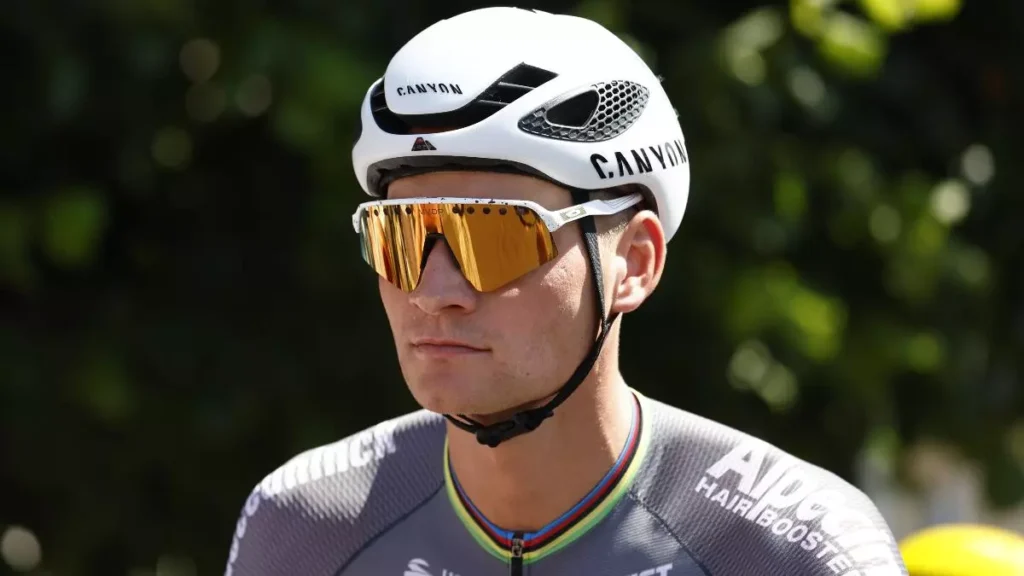
Across Europe, analysts from cycling development institutes noted that Van der Poel’s trajectory has long challenged conventional patterns. His unique combination of explosive power, technical finesse and tactical opportunism has allowed him to reshape the expectations traditionally placed on one day specialists. Experts argued that his ability to win in cyclocross, dominate in road racing and perform in mountain bike competitions reflects a versatility unmatched in his generation. They added that taking on an Ironman would elevate that versatility to a new dimension, asking him not only to compete but to master disciplines that demand radically different physiological adaptations.
In the United States, endurance sport researchers highlighted the implications of the shift. Specialists connected to long distance performance centers emphasized that transitioning from cycling to triathlon requires navigating complex tradeoffs in training intensity, muscle adaptation and energy distribution. They noted that elite cyclists possess unmatched efficiency on the bike segment but face steeper challenges in swimming and long distance running, where technical refinement and injury prevention become decisive. Analysts suggested that if Van der Poel commits to this path, his team will need to reconstruct training blocks, nutritional cycles and recovery frameworks to avoid overloading a body conditioned for high torque output rather than continuous multi hour endurance balance.
Observers in Asia interpreted the potential move as a cultural signal about the evolution of elite sport. Analysts in Japan and South Korea remarked that Van der Poel embodies a rising archetype of athlete who refuses to specialize narrowly, seeking mastery across disciplines that once existed in separate performance ecosystems. They pointed out that his ambition resonates strongly in markets where hybrid athletic identities have become increasingly admired, particularly in cycling communities that see cross discipline experimentation as a route to longevity and mental renewal. The prospect of a top tier cyclist entering an Ironman, they argued, carries symbolic weight in regions fascinated by resilience and controlled suffering.
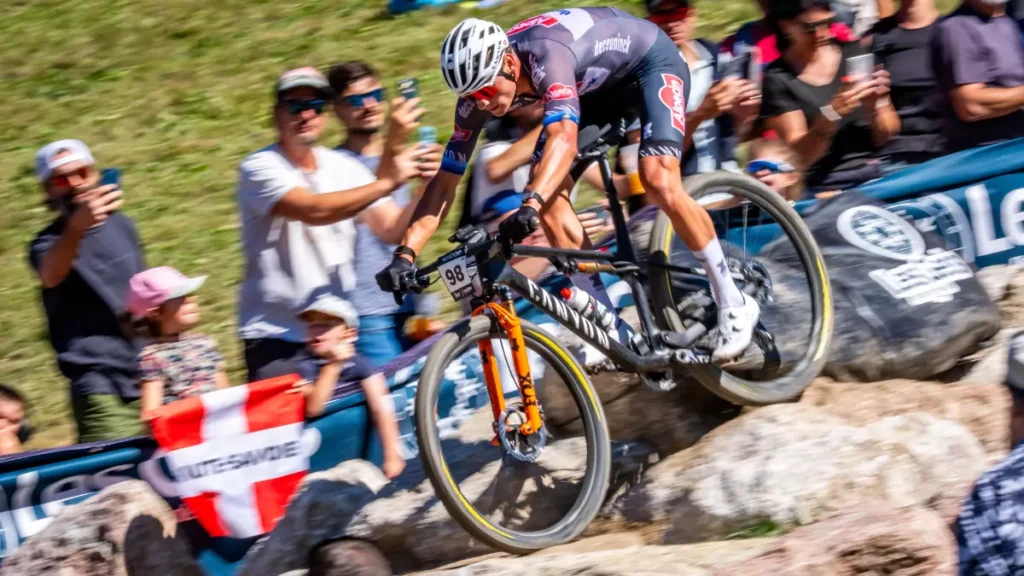
Inside the cycling peloton, reactions have been mixed. Some riders expressed admiration for Van der Poel’s willingness to attempt new frontiers, while others questioned the potential cost to his performance in the Spring Monuments, where he remains a defining force. Team personnel acknowledged that even exploring such an endeavor requires logistical and strategic recalculation, particularly in a sport where rest periods, altitude camps and race calendars must be managed with surgical precision. Those familiar with his environment noted that any decision would be made with long term planning in mind rather than impulsive experimentation.
The context fueling Van der Poel’s ambition includes his ongoing rivalry with Tadej Pogačar, whose dominance across Grand Tours and key classics has intensified the competitive narrative between them. Analysts across Europe suggested that the prospect of challenging himself outside cycling reflects Van der Poel’s desire not only to maintain competitive sharpness but also to craft a personal athletic identity that extends beyond responding to rivals. They argued that while Pogačar focuses on anatomizing stage racing and redefining Grand Tour versatility, Van der Poel may be seeking a parallel path that positions him as a symbol of multidisciplinary excellence.
Performance experts emphasized that an Ironman attempt would necessitate redefining his workload distribution, particularly given the strain running places on joints accustomed to cycling’s low impact movement. Coaches familiar with triathlon preparation stressed that even short term participation at elite level requires an intricate adaptation window, where technique refinement becomes as crucial as cardiovascular capacity. They added that one of the most significant uncertainties lies in the marathon segment, which demands efficiency, muscle durability and consistent pacing strategies that differ sharply from the explosive efforts characteristic of one day races.
Despite the complexity, supporters believe Van der Poel possesses the psychological architecture suited for such a transition. Analysts described him as an athlete whose internal motivation thrives on novelty and extreme challenges, suggesting that the mental stimulation of a new discipline could enhance rather than diminish his competitive output on the bike. They also pointed to his history of returning stronger after shifts in focus, such as switching between cyclocross and road seasons without significant performance declines.
Globally, commentators agreed that the potential move could influence athlete development models across multiple endurance sports. They suggested that if Van der Poel succeeds, it may trigger a broader conversation about cross discipline training methodologies, recovery science and talent identification. Sporting federations, they argued, are likely to observe closely how his body responds to the experiment, as outcomes may inform future strategies for hybrid athletes seeking longevity and reduced burnout risk.
The cycling world now watches with intrigue as Van der Poel weighs a decision that could reshape perceptions of athletic specialization. Whether he ultimately steps onto an Ironman course or channels his energy into defending his dominance in the Monuments, the season ahead promises to redefine expectations once again. His ambition stands as both a challenge and an invitation to imagine a broader landscape for elite competition, where athletes no longer remain confined within the geometry of a single discipline.
More than the news, the pattern.
Más allá de la noticia, el patrón.