

 Phoenix 24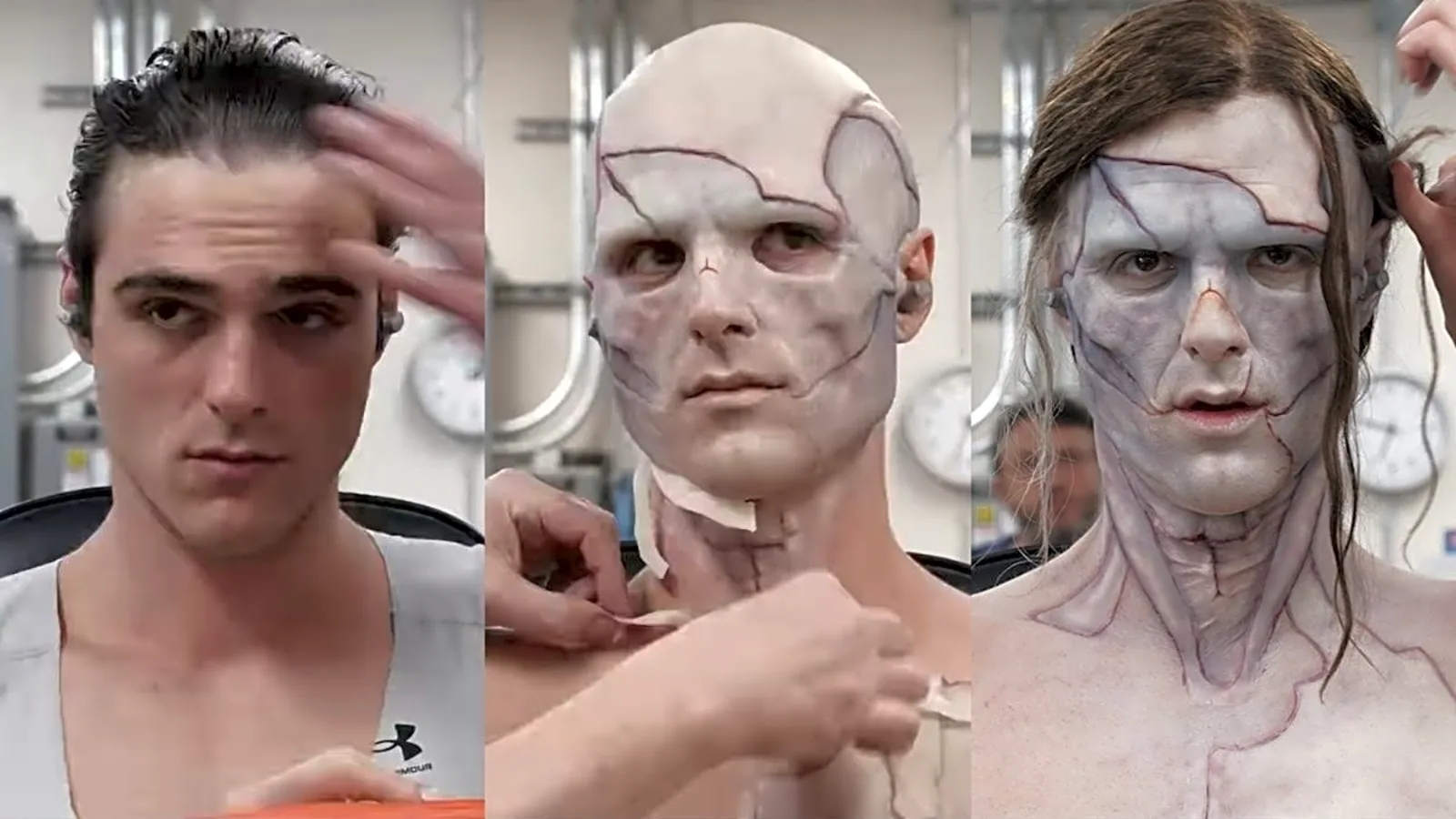
A metamorphosis measured not only in prosthetics but in the dissolution of identity behind the monster’s silhouette.
Los Angeles, November 2025
Jacob Elordi underwent one of the most demanding physical transformations of contemporary cinema to embody the creature in the new adaptation of Frankenstein. His preparation became a ritual that began before dawn and often extended beyond the standard workday, marked by hours of prosthetic application, rigid body molds and a psychological immersion that blurred the line between performer and creation. According to specialists involved in similar productions across North America, such procedures have grown increasingly sophisticated as filmmakers return to practical effects to achieve textures and emotional realism that digital tools still struggle to replicate.
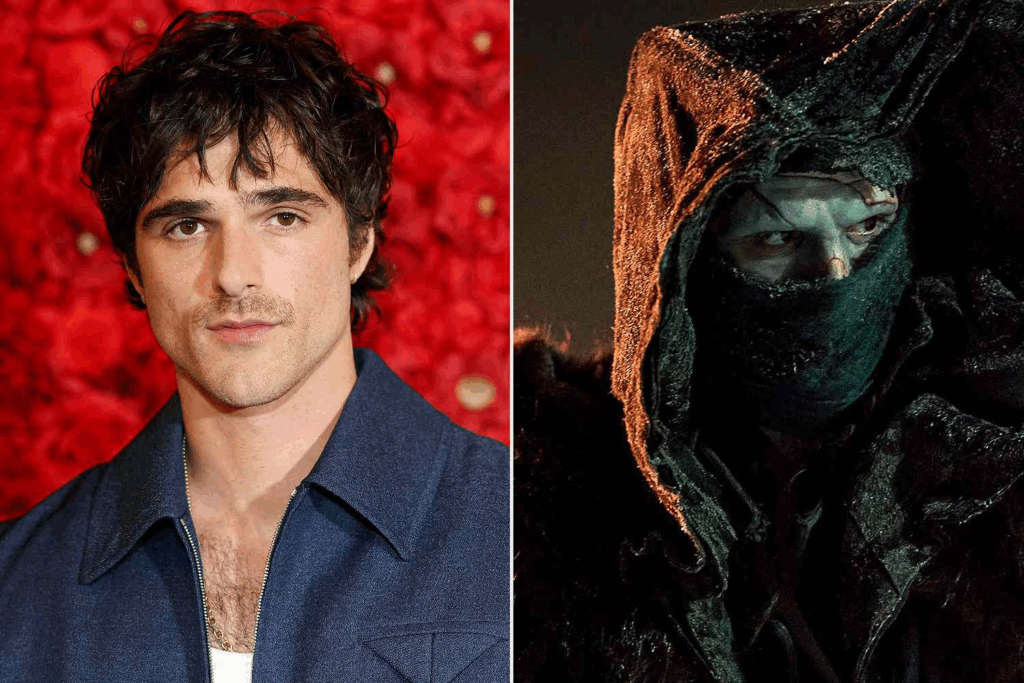
In Europe artists who study practical makeup techniques highlight that transformations of this scale evoke traditions from earlier decades, when actors physically entered their characters rather than relying on post production modification. Prosthetic designers there regard Elordi’s process as proof that practical craft remains central to high profile storytelling. Across Asia film schools examining global production trends view the transformation as an emblem of cinematic hybridity: a fusion of human endurance, technical artistry and directorial vision that appeals to audiences seeking tangible authenticity amid digital saturation.
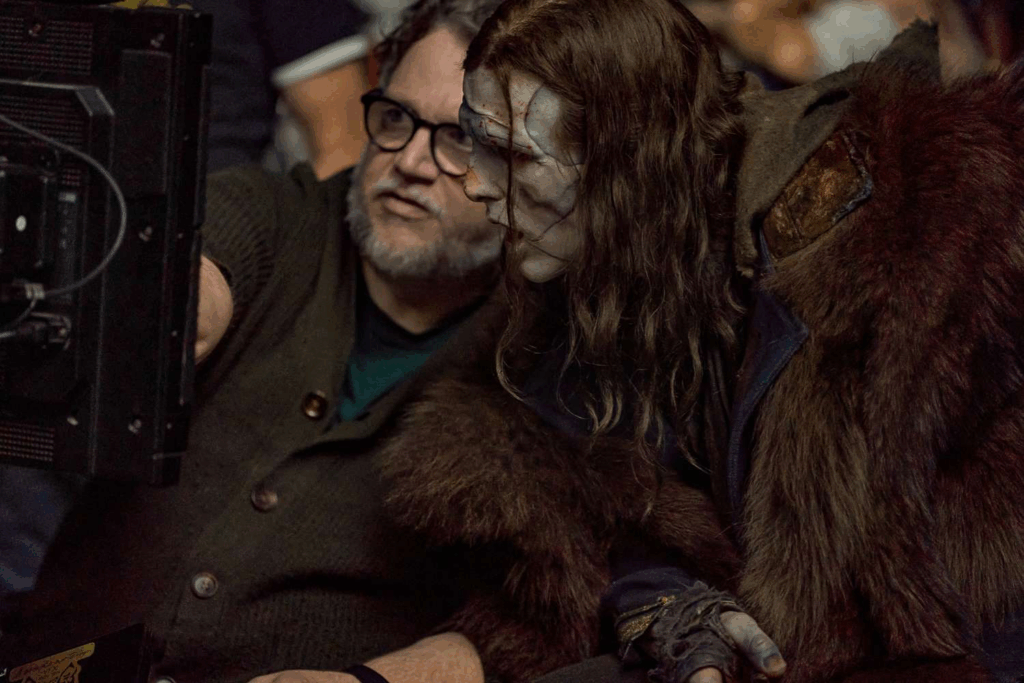
Behind the scenes Elordi spent close to ten hours each day in the makeup chair while technicians applied elaborate layers of rubber based prosthetics to his face, torso and limbs. Only minimal portions of his natural skin remained visible. Artists constructed the creature’s appearance through a sculptural approach, aiming for a presence that felt sorrowful rather than purely monstrous. Those familiar with the production describe the final result as a balance between fragility and power, with the actor’s movements shaped by the weight and stiffness of the materials attached to him. The transformation demanded intense stillness, patience and physical resilience as the prosthetics limited airflow and body temperature regulation during long shooting hours.
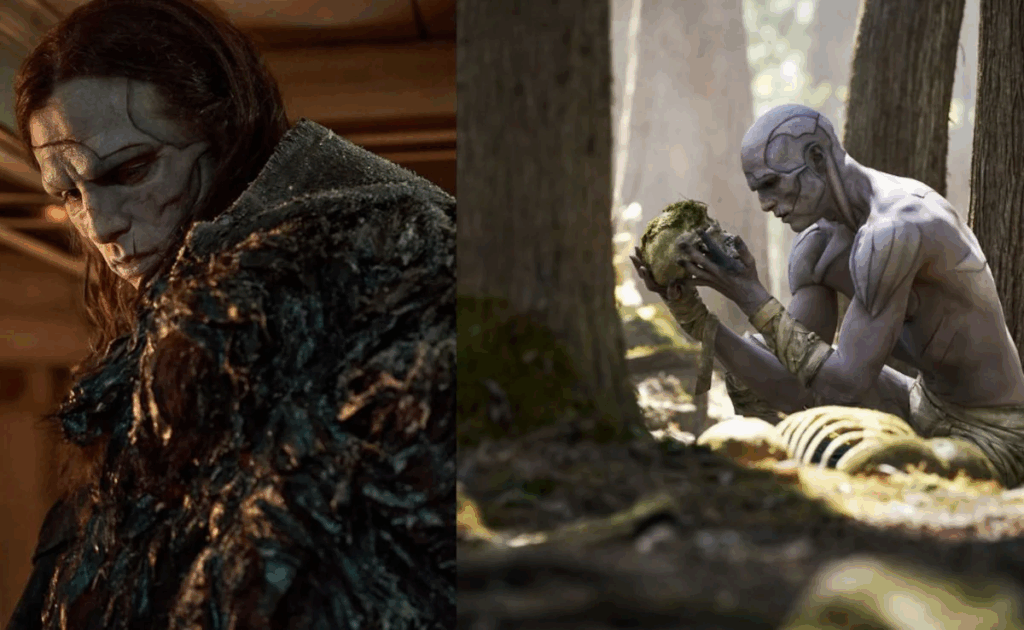
The psychological implications were equally significant. Actors who have undergone similar metamorphoses say that extreme makeup functions as a portal, allowing a performer to detach from their public identity. Elordi described privately to collaborators that once the final layer was sealed, he entered a space where he no longer perceived himself but the creature’s interior world. For directors, this state of vulnerability and immersion becomes a powerful tool to extract performances of emotional density. It also places responsibility on production teams to monitor health, hydration and pacing as the strain can escalate quickly under hot lights and demanding scenes.
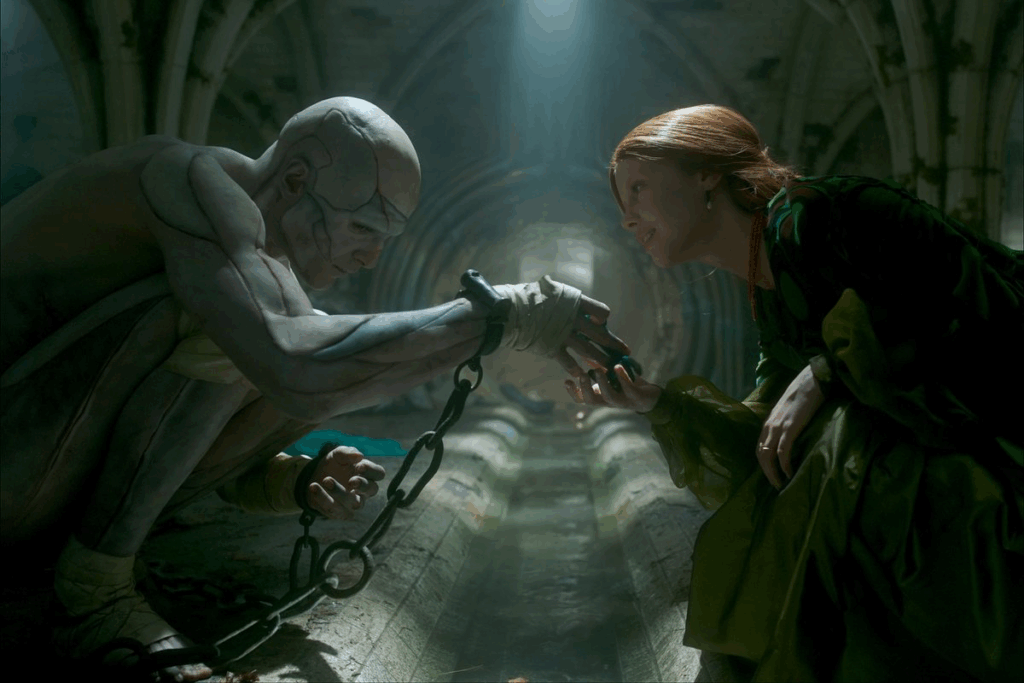
Cultural analysts in Europe and North America note that audience fascination with bodily transformation reveals a broader pattern in global entertainment. Viewers are increasingly drawn to roles that show actors confronting physical extremes because these transitions symbolize dedication, artistry and a willingness to surrender comfort in pursuit of narrative truth. Yet unions and industry observers caution that the rise of extreme prosthetic practices exposes performers to risks that require stronger standards of oversight. Long term exposure to adhesives, restricted movement and prolonged periods of physical confinement may affect wellness if not managed with holistic protocols.
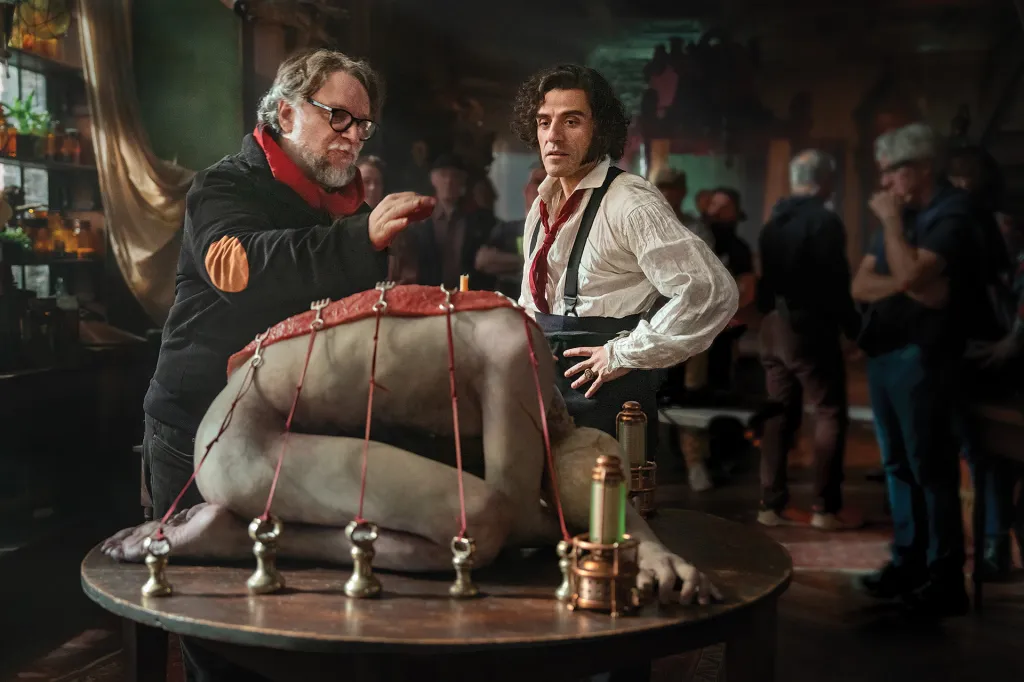
For the film industry the success of such a transformation signals a resurgence of practical effects in a technological era dominated by artificial intelligence and visual simulation. Specialists in Asian film markets suggest that this shift responds to a public desire for authenticity, where the imperfections of real materials provide an emotional depth that digital modeling often lacks. The return to intensive physical craft redefines how mythic figures like the creature are experienced, grounding them in the tangible rather than the algorithmic.
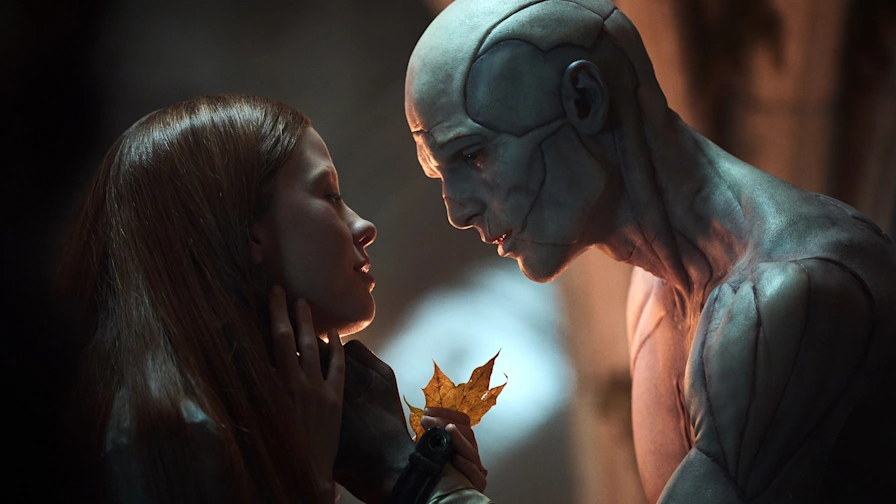
Ultimately Jacob Elordi’s metamorphosis illuminates more than a character’s rebirth. It captures a moment when cinema embraces the physical and the handcrafted to explore themes of identity, creation and the body as narrative instrument. His transformation becomes both a technical achievement and a meditation on what it means for an actor to disappear into a role so completely that the line between human and monster becomes indistinguishable.
La narrativa también es poder. / Narrative is power too.