

 Phoenix 24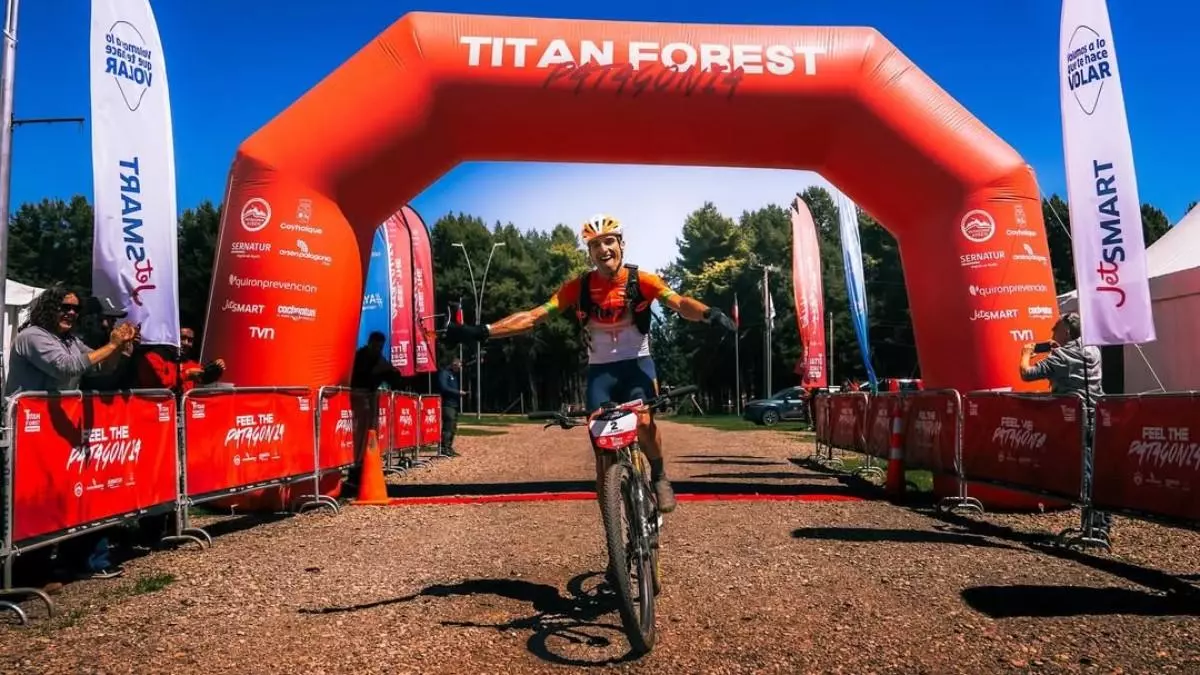
When the trail rises in altitude, winners are defined by grit, not just gear.
Coyhaique, November 2025
In the inaugural stage of the Titan Forest Patagonia race, Spanish riders Luis Ángel Maté and Pilar Fernández stamped their authority. The competition, held amidst the rugged landscapes of Chile’s Aysén region, saw Maté cross the finish line first in the men’s category after tackling an 87-kilometre route culminating in the ascent known as “El Cóndor”. Fernández likewise imposed her pace in the women’s race, securing victory and positioning herself as a clear contender for the overall crown.
Both athletes credited the decisive climb and subsequent technical descent as the stretch where the race was won. Maté noted that his experience and knowledge of mountain-bike dynamics gave him the edge when the gradient tightened. Fernández emphasised her consistency and ability to respond when pressure mounted.
The early triumph defines more than a stage win. It sets a tone for the rest of the event. For competitors, it signals that the margin for error is minimal. For organisers and sponsors, it confirms that the investment in high-altitude, endurance-terrain racing in Patagonia is paying dividends. And for the sport in Latin America, it underscores a growing capacity to host world-class mountain-bike competition in remote, demanding domains.
With three more stages ahead—longer distances and harsher climbs on the horizon—Maté and Fernández have not just opened the event. They have declared intention. Their challenge now is to maintain focus, defend the jersey and respond to the inevitable counter-attacks that the peloton will launch.
Behind every datum, there is an intention. Behind every silence, a structure.