

 Phoenix 24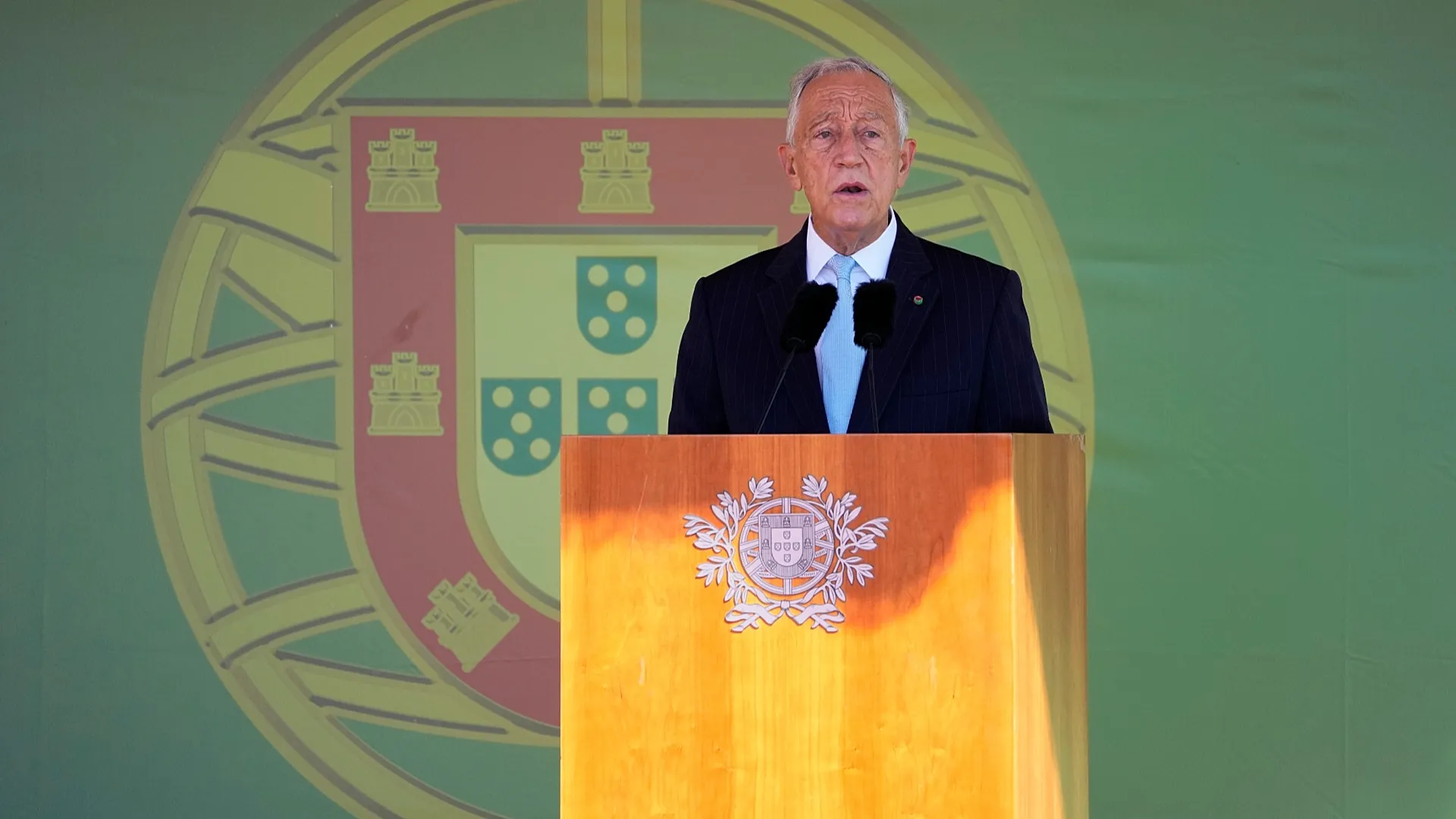
In Lisbon, politics has learned to balance institutional calm with the vertigo of transition. October 2025 marks the beginning of a countdown that will test the democratic pulse of Portugal: the presidential decree has set January 18, 2026, as the date of the first round of voting in an election that could redefine the nation’s tone for the next decade. If no candidate secures more than half of the valid votes, a second round will take place on February 8, turning the Portuguese winter into a stage for political reckoning.
The electoral board presents a rare diversity even by Portuguese standards. Henrique Gouveia e Melo stands as an independent with a military reputation; Luís Marques Mendes seeks to revive the center-right under the Social Democratic Party; António José Seguro represents the moderate socialist current; André Ventura, with his rhetoric of confrontation, embodies the populist right eager to fracture consensus; Catarina Martins and António Filipe summon the memory of an old left, while João Cotrim de Figueiredo and Jorge Pinto complete a spectrum where fragmentation feels deeper than hope.
As televised debates approach and polls begin shaping headlines, a quiet sense of institutional fatigue seeps through analysts and voters alike. Portugal has preserved a stability that other nations could only envy, yet that same steadiness now borders on resignation. The challenge of January will not only be to elect a president but to measure how much democratic energy remains after a decade under Marcelo Rebelo de Sousa and amid a continental wave of political exhaustion.
What lies ahead is not merely alternation but the density of renewal — the test of whether a new voice can inspire without disorder, or whether the nation will again choose caution over change. Between stability and transformation, Portugal will decide if it prefers to keep drifting on calm waters or face the tides of a new political sea.
Behind every vote there is a memory; behind every ballot, a warning. Detrás de cada voto hay una memoria; detrás de cada urna, una advertencia.