

 Phoenix 24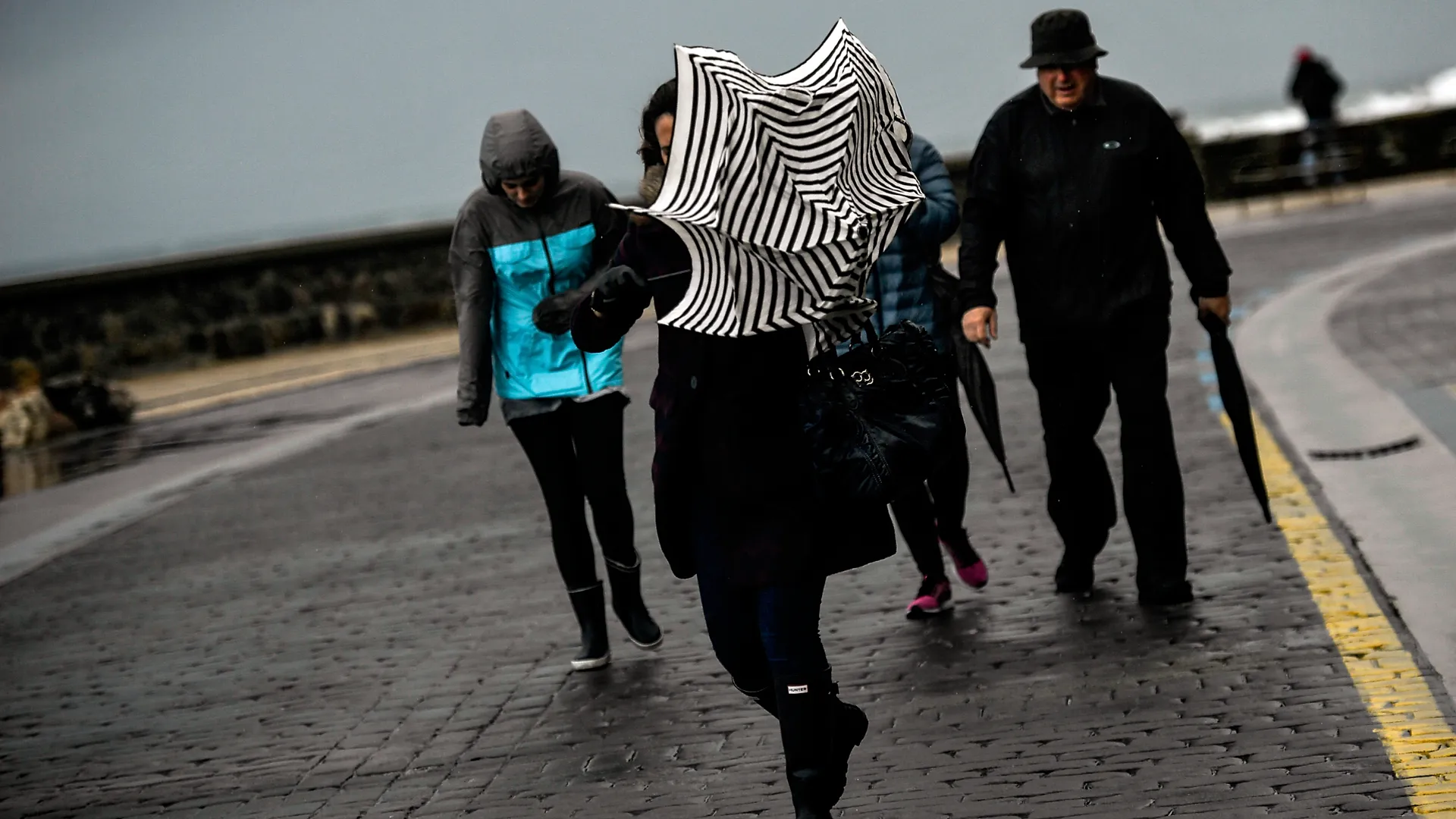
Sometimes nature warns, but the warning arrives too late.
Huelva, October 2025.
The Andalusian coast woke under a sky heavy with static and unease. Spain’s State Meteorological Agency issued a red alert for extreme rainfall across Huelva and the inland zone of Andévalo-Condado, where precipitation exceeded one hundred and twenty liters per square meter within a few hours. Streets that seemed harmless at dawn turned into unpredictable torrents capable of sweeping away cars, animals, and fragile structures. A collapsed balcony in Gibraleón left one person injured and revived memories of past floods that had scarred the region.
The regional government declared level one of the Emergency Plan for Flood Risk, enabling full deployment of civil protection units and real-time coordination among local, regional, and national responders. Within twelve hours, the 112 emergency line received more than one hundred and fifty calls related to rescues, power outages, and blocked roads. The storm pattern, a high-altitude isolated depression known in Spain as DANA, reminded meteorologists that climate change is no longer an abstraction of statistics but a tangible force reshaping the geography of vulnerability.
While the Ministry for Ecological Transition in Madrid monitored developments, the UK Met Office and France’s national meteorological institute reported similar pressure systems over the eastern Atlantic. According to the European Centre for Medium-Range Weather Forecasts, the collision of warm African air masses with Atlantic cold fronts has intensified the recurrence of torrential rain across southwestern Europe. Experts note that soil saturation and widespread deforestation now magnify structural fragility in rural zones.
Across the Atlantic, the Pan-American Meteorological Organization observed that comparable events have doubled in frequency since 2010, particularly in the Caribbean and Mexico, where stationary storms mirror the Andalusian model. In Asia, Japan’s Meteorological Agency confirmed parallel rainfall records over the Philippine Sea, flooding Okinawa and other islands. For climatologists, this simultaneity across continents is no coincidence; the global oceanic-atmospheric system acts as a single coupled engine where each disturbance reverberates thousands of kilometers away.
Rescue teams on the ground deployed inflatable rafts and heavy machinery to clear submerged streets. In Moguer, floodwaters reached one and a half meters, inundating warehouses and small workshops. Local authorities reported electricity cuts and contamination risks in rural wells. Schools in Lepe suspended classes, and bus terminals were closed as a precaution. The Civil Guard, supported by Spain’s Military Emergency Unit, conducted aerial patrols to locate isolated households.
The psychological toll is now part of the crisis equation. The Andalusian Council of Psychology warned of “climate fatigue,” an emotional state affecting communities repeatedly struck by natural disasters. Specialists emphasize that a persistent sense of threat erodes social cohesion and weakens the collective ability to respond to future emergencies. The United Nations Office for Disaster Risk Reduction, based in Geneva, reminded that Spain ranks among the ten European countries most exposed to the dual threat of drought and flash floods.
The episode also reignited debate on urban planning. Researchers at the University of Seville’s Institute of Civil Engineering argue that much of southern Spain’s drainage and secondary dam infrastructure was designed under twentieth-century rainfall parameters, when extreme events were statistically rare. In today’s accelerated climate, shaped by ocean variability and forest loss, those safety margins have collapsed. As one engineer put it, “our cities were built for a sky that no longer exists.”
In Brussels, the European Commission assessed whether to activate funds from the EU Civil Protection Mechanism, which provides cross-border technical and logistical support during climate disasters. Cooperation with Portugal and Morocco could include hydrological modeling and satellite-based monitoring. Meanwhile, the World Meteorological Organization urged member states to strengthen coordination among national weather agencies and refine public alert systems to balance urgency with clarity.
Although the storm front is shifting northward, meteorologists warn that residual humidity keeps the danger high. Each new drop falling on saturated soil multiplies the destructive potential. Authorities continue to advise residents to avoid river crossings, underground areas, and unnecessary travel.
The sky over Andalusia offered a stark reminder. Extreme weather does not merely alter the landscape; it rewrites the bond between citizens and their environment. What once was rain is now a border.
Phoenix24: clarity in the grey zone. / Phoenix24: claridad en la zona gris.