

 Phoenix 24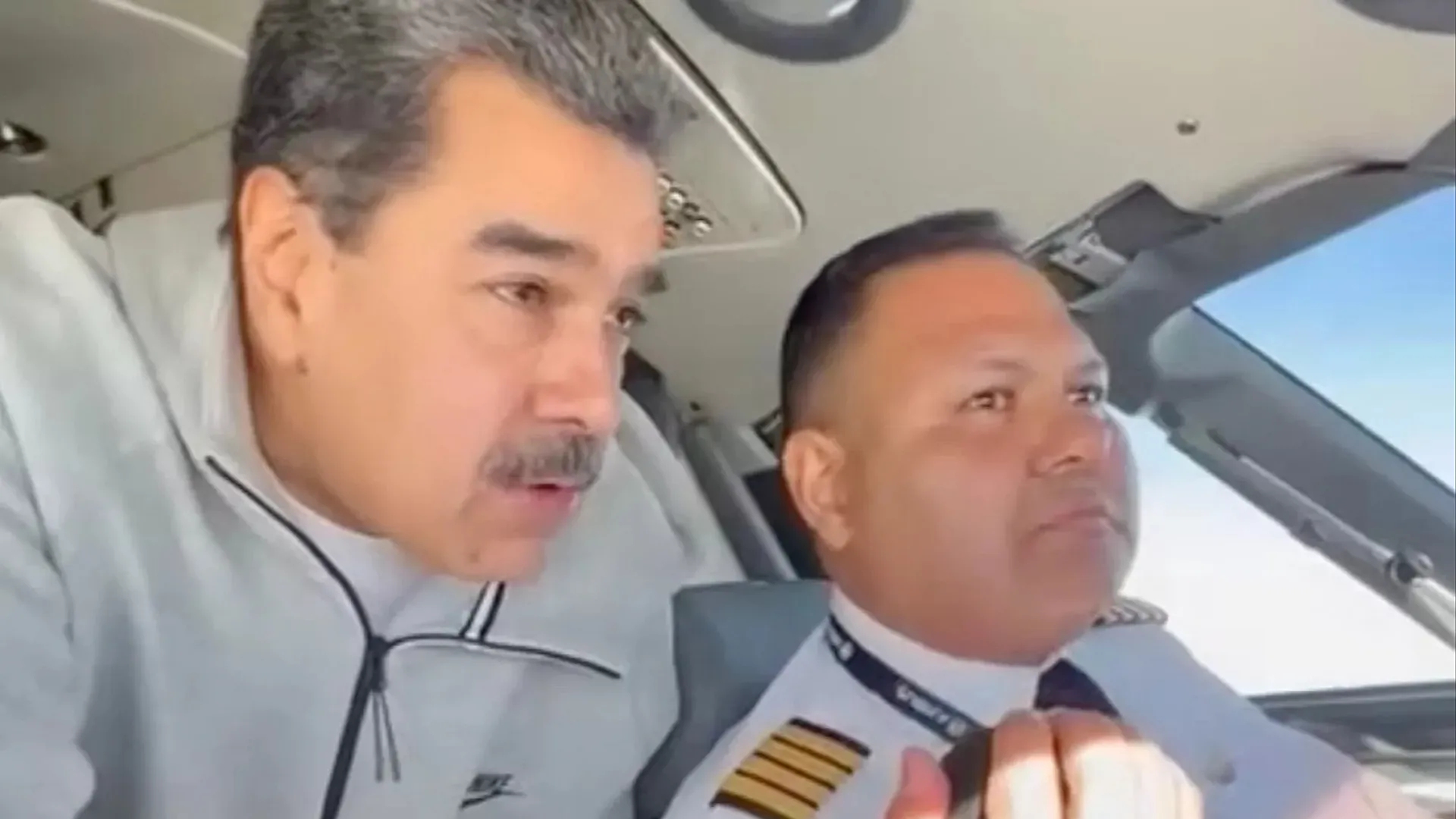
Every government carries a shadow, but not all admit how far it reaches.
Caracas, October 2025.
A storm of accusations now surrounds Washington and Caracas after Venezuelan officials claimed that U.S. intelligence attempted to capture President Nicolás Maduro by bribing his personal pilot. According to Venezuela’s Attorney General Tarek William Saab, the plot allegedly involved intermediaries offering up to five million dollars in exchange for flight information and cooperation during presidential travel. Caracas described the case as a “covert abduction plan,” while the United States dismissed the accusations as politically motivated fiction.
The Venezuelan Ministry of Communication presented fragments of what it said were encrypted messages between the pilot and external agents who identified themselves as “consultants” working for a foreign government. State television aired edited clips showing cash offers and promises of relocation to a third country. While none of the material has been independently verified, the public release has reignited diplomatic tension at a time when both nations are tentatively reopening energy discussions under U.S. sanctions relief.
From Washington, the Department of State reiterated that no U.S. agency was authorized to conduct any such operation. Officials speaking to Reuters and the Associated Press said Caracas was attempting to fabricate a spy narrative to justify recent arrests of dissidents within the Venezuelan Air Force. Analysts at the Council on Foreign Relations pointed out that similar accusations have periodically surfaced whenever internal purges threaten military cohesion. The timing, they note, coincides with the dismissal of two air-command officers linked to corruption probes.
European observers reacted cautiously. France’s Ministry for Europe and Foreign Affairs urged an “independent verification” of the claims, while Spain’s El País highlighted the lack of corroboration beyond Venezuelan state media. The BBC described the allegations as “a reminder of the Cold War theatrics that still shape Caracas–Washington relations.” In Latin America, governments remained divided. Colombia’s foreign ministry declined comment, whereas Bolivia and Nicaragua expressed “solidarity with Venezuela against imperial provocations.”
Sources consulted by Phoenix24 in Mexico City confirmed that elements of the case echo patterns documented by the United Nations Office on Drugs and Crime concerning transnational bribery operations involving intelligence contractors. Experts in regional security noted that, even if the specific bribery account proves exaggerated, its logic follows known methods used by private networks acting on behalf of larger states. The blurred line between official agencies and outsourced espionage remains one of the defining features of twenty-first-century intelligence.
Across the Atlantic, the Center for Strategic and International Studies in Washington analyzed the potential diplomatic fallout. A report released this week warns that if Caracas formally accuses U.S. personnel, it could trigger the suspension of the partial sanctions relief program that currently allows limited Venezuelan oil exports to international markets. The Brookings Institution added that Washington may prefer to absorb reputational costs rather than escalate to open confrontation, particularly amid electoral volatility and energy price sensitivity.
Inside Venezuela, state television portrays the pilot—whose identity has not been publicly confirmed—as a “hero who refused treason.” The government announced that the suspect agents have been identified and that “criminal investigations under national security jurisdiction” are underway. Opposition leaders, however, accused Maduro of staging another distraction from inflation and migration crises. The National Assembly faction led by María Corina Machado requested that independent observers review the alleged evidence before any arrests are made.
In London, analysts at Chatham House observed that the episode fits a broader pattern of “reciprocal narrative escalation” between Washington and Caracas. Each new cycle of accusation reactivates the perception of siege that sustains Maduro’s internal legitimacy. Similar tactics, they noted, have been used historically by regimes seeking to rally support around the threat of foreign intervention.
Meanwhile, the International Crisis Group underscored the humanitarian dimension often lost in geopolitical drama. Tens of thousands of Venezuelans continue to leave the country monthly, and renewed diplomatic hostility could once again disrupt humanitarian corridors operating from Colombia and Brazil. The organization urged both governments to separate security disputes from aid logistics to prevent another border closure.
The alleged “Operation Mirage,” as unofficial sources have started calling it, remains shrouded in ambiguity. No independent verification has yet connected any U.S. entity to the supposed bribery attempt, but the narrative itself already fulfills a strategic function. Whether true or invented, it reinforces each side’s image of the other: a superpower accused of subversion and a government portraying itself as permanently besieged.
For ordinary Venezuelans, the story lands amid blackout routines, economic fatigue, and shrinking hope. Each rumor of conspiracy travels faster than the currency that keeps losing value. Truth in this environment is not simply about evidence; it becomes a matter of political survival.
Facts that do not bend. / Hechos que no se doblan.