

 Phoenix 24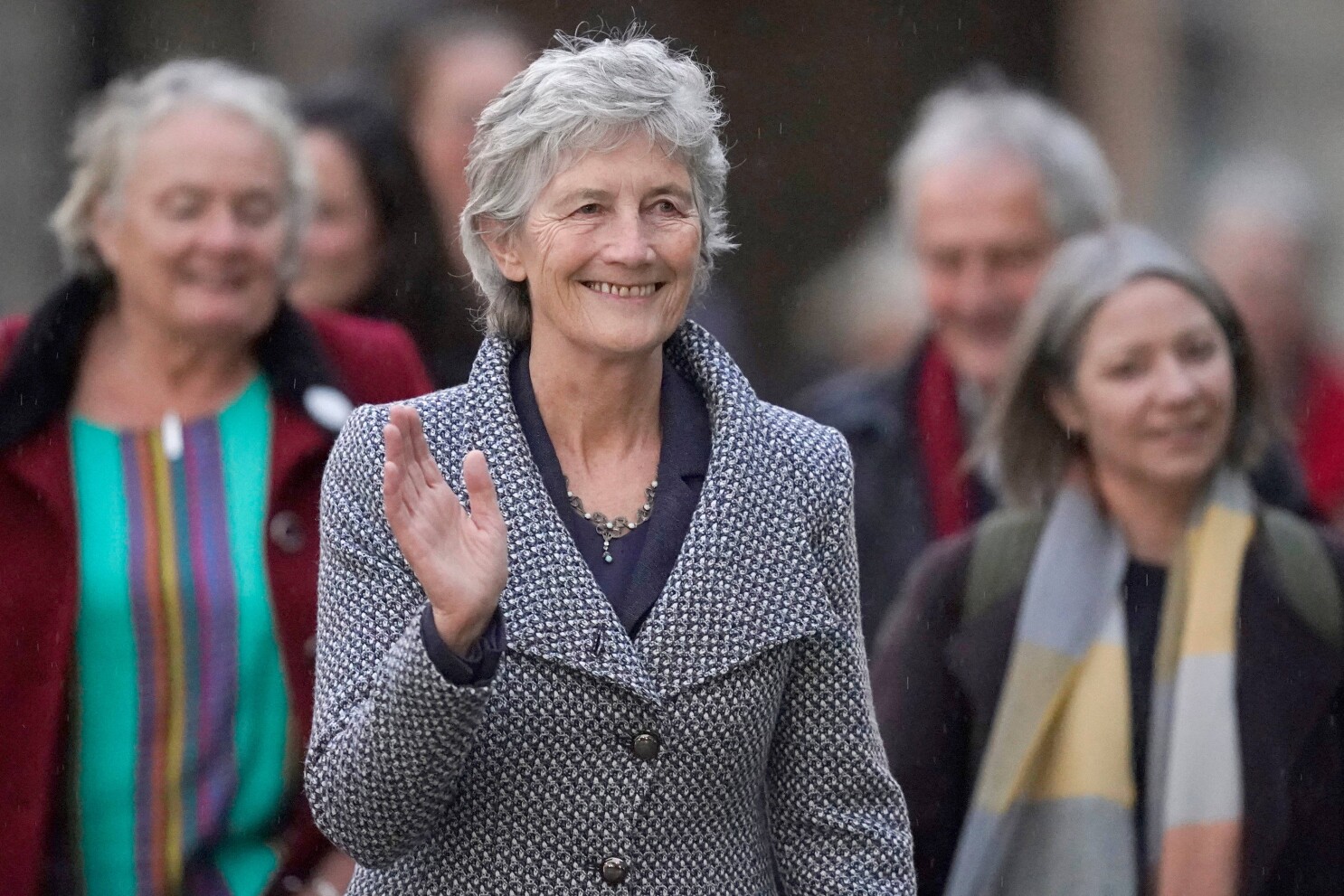
A quiet rebellion at the ballot box has redefined Ireland’s sense of power and purpose.
Dublin, October 2025
Ireland has entered a new political chapter after electing Catherine Connolly, an independent left-wing voice and long-time advocate of neutrality, human rights, and climate justice, as its new president. Her decisive victory—garnering a clear majority of first-preference votes—has shaken the establishment and redrawn the contours of Irish politics.
Connolly, a 68-year-old barrister from Galway, built her campaign on the conviction that the presidency should reflect the conscience of ordinary citizens rather than the privileges of the political elite. Standing on the steps of Dublin Castle after the count, she declared that she intended “to serve all communities equally,” a message that resonated in a nation fatigued by rising living costs, housing shortages, and the lingering sense that traditional parties no longer speak for the public.
The new president’s ascent carries several historic milestones. She becomes Ireland’s tenth head of state, the third woman to hold the office, and the first independent from the progressive left to reach Áras an Uachtaráin. Yet beyond symbolism, her election has exposed a widening gulf between the Irish electorate and the centrist consensus that has dominated since the peace years.
Analysts note that Connolly’s agenda—once considered marginal—now aligns with a growing appetite for ethical diplomacy. She has openly criticized the militarization of the European Union, defended the Palestinian cause, and called for renewed dialogue on Irish reunification. Such positions, once peripheral, have gained unexpected traction amid shifting global allegiances and public distrust toward conventional politics.
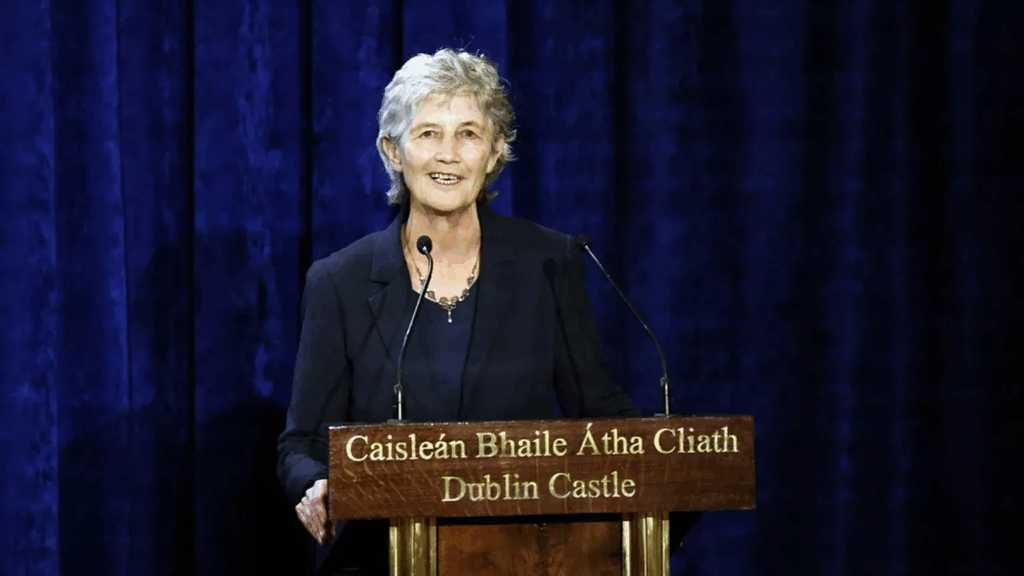
Inside Dublin’s corridors of power, her victory poses a subtle challenge: how to engage a head of state who carries no party allegiance yet commands moral authority. Though the presidency is largely ceremonial, Connolly is expected to use her platform to amplify themes long underrepresented—social equity, environmental urgency, and Ireland’s sovereignty in foreign affairs.
In Brussels, the outcome is being read as both warning and precedent. The fragmentation of Europe’s left has often been cited as its weakness; in Ireland, however, diverse progressive movements coalesced behind a single independent candidate, demonstrating that unity around moral clarity can still overcome institutional inertia. For many observers, this outcome signals not a shift of ideology but a revival of democratic agency itself.
Across the Irish Sea, Connolly’s election is already influencing discourse in Northern Ireland, where questions of identity and reunification continue to shape the political landscape. Her presidency may lend renewed legitimacy to calls for a shared future on the island, reinforcing Dublin’s role as a voice for reconciliation rather than division.
While the presidency carries no executive powers, its symbolic reach is considerable. Over the next seven years, Connolly’s tenure may become a compass for civic conscience—a reminder that representation, when reclaimed by authenticity, can still transform the mood of a nation.
Phoenix24: clarity in the grey zone. / Phoenix24: claridad en la zona gris.