

 Phoenix 24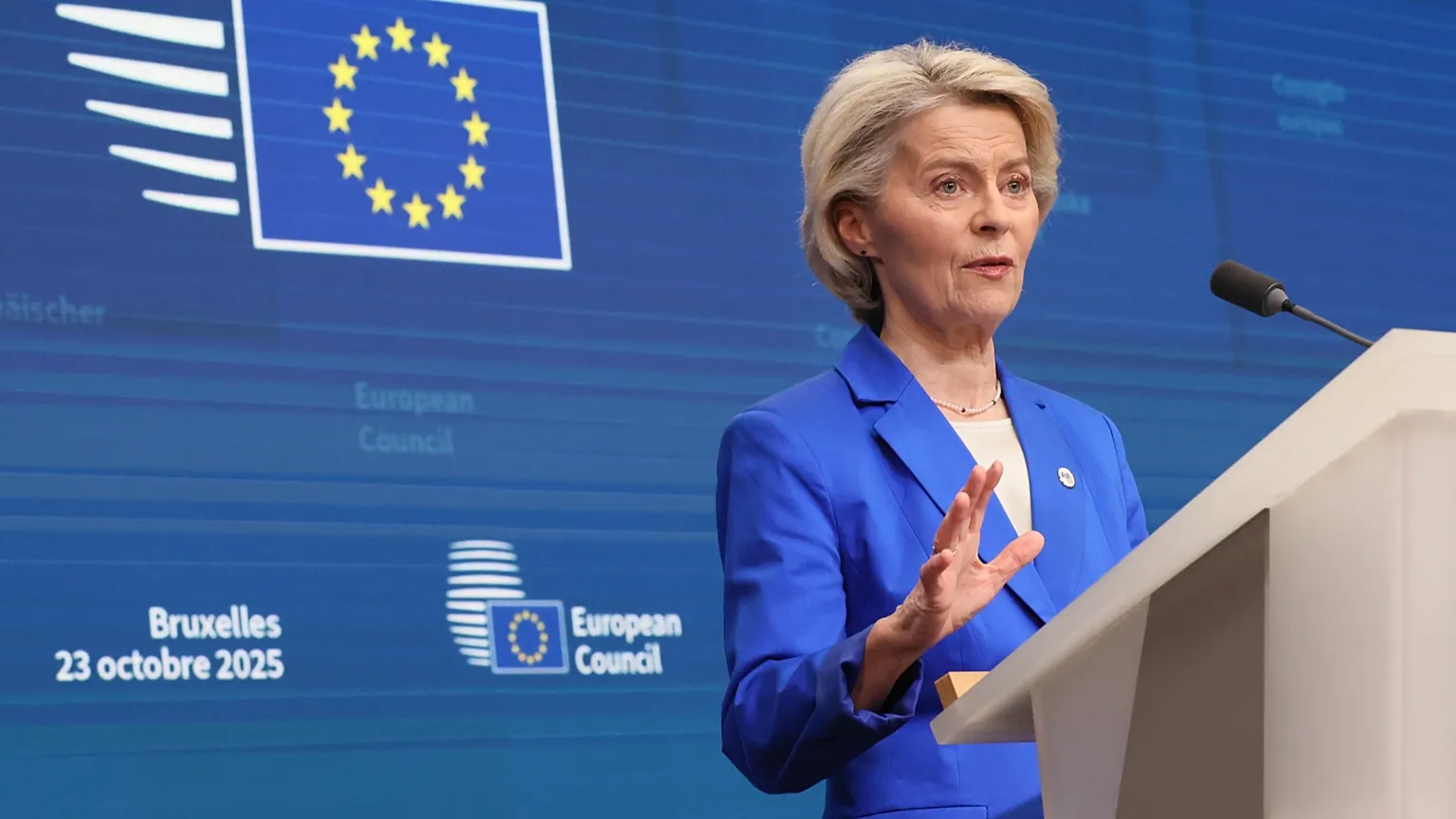
A quiet but high-voltage shift is reshaping the bloc’s path toward resource autonomy.
Brussels, October 2025
The European Union has launched an ambitious plan to reduce its structural dependence on the People’s Republic of China for rare earths and critical raw materials — the hidden backbone of electric vehicles, defense systems, green technologies, and digital infrastructure. European Commission President Ursula von der Leyen confirmed that the new “REsourceEU” initiative will target the bloc’s weakest link in its industrial supply chain: the overwhelming dominance of Chinese exports.
More than 90 percent of the rare-earth magnets used across Europe currently originate in China, leaving the continent exposed to sudden export restrictions or geopolitical leverage. To counter that risk, the EU will expand strategic partnerships with Australia, Canada, Chile, Greenland, Kazakhstan, Uzbekistan, and Ukraine, diversifying supply while promoting internal production and recycling. In Brussels, the message is clear — relying on a single provider is no longer a sustainable strategy.
The push follows the geopolitical lessons of recent years. The war in Ukraine revealed Europe’s vulnerability to Russian energy dependence; now, the green and digital transitions expose a new layer of fragility. “REsourceEU” mirrors the logic of “REPowerEU,” the previous energy independence plan, but focuses on the mineral foundations of the next industrial age.
Challenges remain formidable. Europe’s domestic mining capacity is limited, environmental and regulatory hurdles are steep, and Beijing retains unmatched expertise in refining and processing. Still, the political signal is unmistakable: the EU will no longer accept a single nation’s near-monopoly over the minerals that define its technological future.
In Germany’s automotive sector and Europe’s defense industry, quiet alarm has already surfaced. Manufacturers warn that a disruption in Asian supplies could halt production lines within weeks. For Brussels, the initiative has both a defensive and offensive logic: to shield the bloc from economic coercion and to elevate Europe from consumer to processor within the global minerals market.
The geopolitical reverberations are wide. In the Indo-Pacific, Europe’s pivot from dependency to strategic alignment alters long-standing trade expectations. Washington, observing closely, sees in Brussels’ move both complementarity and competition — a parallel bid to secure the same critical resources shaping future power balances.
For Latin America, the shift may open unprecedented opportunities. Countries such as Chile and Brazil, rich in lithium and rare-earth deposits, could become preferred partners in a realigned global supply network, prompting new waves of investment and diplomacy.
As Europe’s roadmap unfolds toward 2030, the language of “dependency” is being replaced by that of “technological sovereignty.” It is not mere rhetoric, but the blueprint of a continent preparing for a new industrial order — one that seeks autonomy not through isolation, but through diversified strength.
Facts that do not bend. / Hechos que no se doblan.