

 Phoenix 24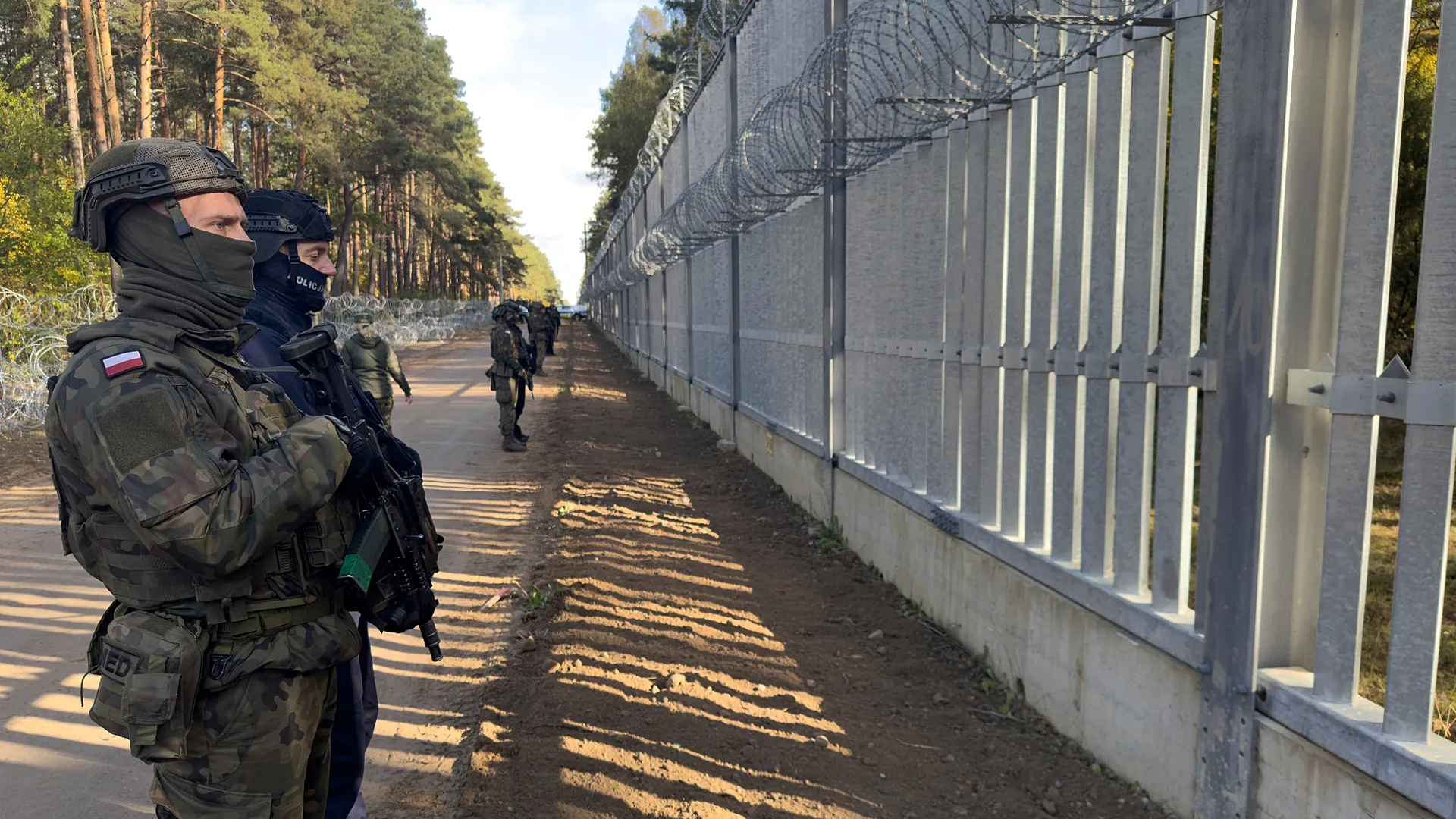
When the underground becomes a route, the border is no longer a line—it becomes an uncomfortable question.
Podlaskie, October 2025.
Poland’s Border Guard announced the discovery of a tunnel connecting the Belarusian side with Polish territory, carved beneath the steel fence that defines their shared frontier. The passage, detected by newly deployed electronic surveillance systems, begins several meters inside Belarus and emerges within the Podlaskie voivodeship. The operational image is unambiguous: someone invested time, expertise, and resources to bypass one of the most monitored perimeters in the European Union.
This is not an isolated incident. Officials recalled that a similar passage had been found earlier near Narewka. The repetition of methods indicates a learning curve among the networks that move people and goods. What has changed is the level of sophistication. It is no longer about crossing rivers or forests but about engineering soil, calculating depth, and working out of sight. Whoever designs these routes studies the terrain carefully and reacts faster than new barriers are built.
The finding comes amid rising pressure. The Border Guard recorded dozens of attempted crossings the day before and thousands so far this year along the same stretch. Each failed attempt leaves a trace. Each successful one redraws the map of risk. Detecting the tunnel, therefore, is both a tactical success and a warning sign. The tension across this corridor is measured by small events that, when viewed together, outline a broader strategy.
Warsaw defines the phenomenon as hybrid warfare. In its narrative, the instrumental use of migration is meant to pressure the EU, deepen internal divisions, and extract concessions. This interpretation, rooted in patterns visible since 2021, aligns with Western analyses that describe migration flows as a lever of destabilization. At the same time, European institutions and human rights groups have questioned Poland’s pushbacks and demanded stronger asylum protections. Those two visions—security and humanity—confront each other daily in the forests of Podlaskie.
From Brussels, EU agencies have strengthened border control through technology, coordination, and joint operations. Their stated goal is to defend the common perimeter without compromising legal obligations. Meanwhile, transatlantic think tanks describe the Polish-Belarusian frontier as a laboratory of non-conventional pressure tactics—a test ground combining disinformation, opaque logistics, and bureaucratic overload. In Asia, strategic institutes see the situation as proof that human mobility has become a geopolitical variable and that underground engineering can shape surface policy.
The tunnel raises questions that go beyond a police report. Who financed it? Which networks supplied materials? How were digging times synchronized with patrol shifts? Why now, and not earlier in the year? How much local complicity or passive tolerance was involved? Answering these questions requires more than patrols and cameras—it demands tracing financial flows, transport routes, communication patterns, and command signals.
For Poland, two lessons emerge. First, technology works: thermal sensors, cameras, and pattern analytics spotted an anomaly before it became a full-scale corridor. Second, borders can no longer be understood only in horizontal terms. When walls rise, ladders appear. When ladders fail, drones arrive. When skies are guarded, tunnels are built. A nation that looks east while anchored to Brussels will need to expand its defense doctrine downward, investing in subterranean awareness as much as in aerial protection.
Yet behind the data lies a human dimension. Between statistics and satellite maps are people risking everything in opaque routes. Public policy is balanced on that tension—protecting the perimeter while protecting rights. Ignoring either side erodes legitimacy, and that erosion feeds the very networks exploiting the crisis. The challenge is to sustain both security and legality at once.
The episode in Podlaskie settles nothing. It opens a broader file on how space itself becomes a weapon, how clandestine routes evolve, and how states adapt without abandoning the rule of law. Today it is a tunnel. Tomorrow it could be a chain of safe houses, a compromised rail line, or a synchronized wave of silent crossings. Borders, after all, are living systems.
Europe watches. Belarus denies or stays silent. Poland reinforces. And beneath the forests, the earth delivers a sober message: any wall can be bypassed if patience is part of the plan. The task of the state is to hear that warning and translate it into transparent, lawful, and effective policy. Everything else is rhetoric.
Phoenix24: intelligence for free audiences. / Phoenix24: inteligencia para audiencias libres.