

 Phoenix 24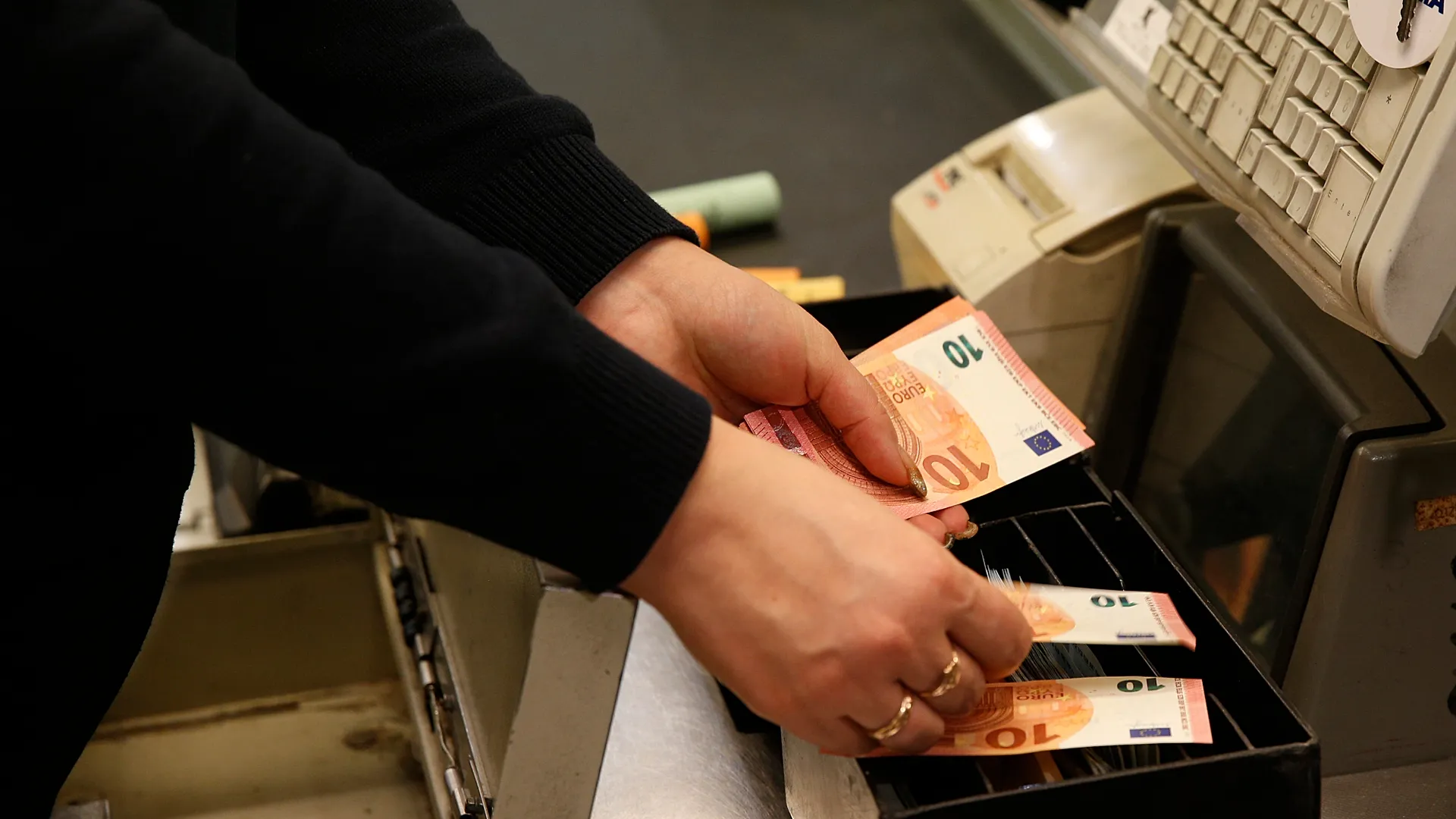
Even in an age of apps and algorithms, the feel of a banknote still carries power.
Berlin, October 2025
Despite years of forecasts predicting its demise, cash remains stubbornly alive across Europe — and in some countries, it is not just surviving but thriving. As governments and central banks push toward fully digital payment ecosystems, millions of Europeans continue to rely on coins and banknotes for everyday transactions, driven by cultural preferences, privacy concerns, and mistrust of centralized financial systems.
The European Central Bank has repeatedly emphasized the strategic importance of cash as legal tender, even as it accelerates plans for a digital euro. Yet the reality on the ground reveals a striking divergence in payment habits across the continent. In nations like Germany and Austria, more than half of all in-person transactions are still conducted in cash. Sociologists argue that this is not simply inertia but a reflection of deeply rooted historical and cultural attitudes toward money — a belief that physical currency represents autonomy, anonymity, and control in an increasingly surveilled digital environment.
Southern European economies show similar resilience. In Spain, Italy, and Greece, cash continues to dominate in small businesses, local markets, and rural regions where digital infrastructure remains patchy. Even as contactless payments proliferate in urban centers, older generations in particular see banknotes as more tangible and trustworthy. For many, handing over physical money is not just a transaction but a ritual — a symbolic exchange that technology cannot replicate.
At the same time, northern Europe is racing in the opposite direction. Sweden and Finland are rapidly approaching a cashless future, with fewer than 10 percent of transactions involving physical currency. Most retailers in Stockholm and Helsinki no longer accept cash, and mobile payment platforms dominate the financial landscape. Policymakers in these countries tout the benefits of efficiency, traceability, and innovation. Yet critics warn that such systems increase financial exclusion for the elderly and marginalized communities while also raising significant privacy concerns.
Central and Eastern Europe present a more complex picture. In countries like Poland, Hungary, and the Czech Republic, digital payments are expanding rapidly but coexist with a strong cash culture, particularly outside major cities. In many of these economies, cash remains central to the informal sector, which accounts for a significant share of employment and GDP. Analysts at the Bank for International Settlements argue that the persistence of cash reflects not technological backwardness but a rational adaptation to local realities — including distrust of institutions, tax avoidance, and the need for resilience in times of crisis.
The resurgence of geopolitical risk and financial uncertainty has also reinforced cash’s appeal. The energy shocks of the early 2020s, coupled with rising inflation and the threat of cyberattacks on banking systems, have prompted many Europeans to keep larger sums of money at home. According to several national central banks, demand for high-denomination notes has increased significantly over the past two years, a trend that mirrors spikes seen during the global financial crisis and the COVID-19 pandemic.
The debate over cash is increasingly ideological. Advocates of a fully digital economy argue that phasing out physical money would reduce crime, improve tax collection, and modernize financial systems. Opponents counter that eliminating cash would erode individual freedoms, enable excessive state surveillance, and make societies more vulnerable to systemic failures. For privacy activists, the issue is existential: cash is one of the last tools individuals have to transact outside the gaze of governments and corporations.
For now, the European Union is walking a delicate line. The European Central Bank insists that any rollout of a digital euro will complement — not replace — physical money. But as digital payment infrastructure deepens and younger generations grow up with contactless payments as the norm, the balance between convenience and autonomy will become harder to sustain.
What is clear is that cash’s future will not be determined solely by technology. It will hinge on trust — trust in governments, in financial institutions, and in the systems that govern how value moves through society. As long as that trust remains uneven, the rustle of banknotes and the weight of coins will continue to echo across Europe’s economies, a reminder that money is not just a medium of exchange but a symbol of sovereignty and choice.
Facts that do not bend. / Hechos que no se doblan.