

 Phoenix 24
A new generation of cyberthreat is quietly rewriting the rules of digital security, slipping past defenses, stealing sensitive data, and leaving few traces behind.
Madrid, October 2025. In the complex battlefield of cybersecurity, few names have gained notoriety as quickly this year as SnakeStealer. Once a minor player in the sprawling ecosystem of information-stealing malware, it has rapidly evolved into the most widely deployed credential-harvesting tool of 2025. Its rise signals a significant shift in the tactics and priorities of cybercriminal networks — one that places stealth, persistence, and scalability at the center of digital espionage operations.
At its core, SnakeStealer operates like many other infostealers: once it infiltrates a system, it silently extracts valuable information such as usernames, passwords, session tokens, browser cookies, cryptocurrency wallet keys, and even autofill data from web browsers. What makes it far more dangerous, however, is the sophistication of its distribution methods and its ability to adapt. Security analysts have observed it spreading through cracked software, malicious email attachments, trojanized installers, and even disguised browser extensions — exploiting the weakest link in cybersecurity: human behavior.
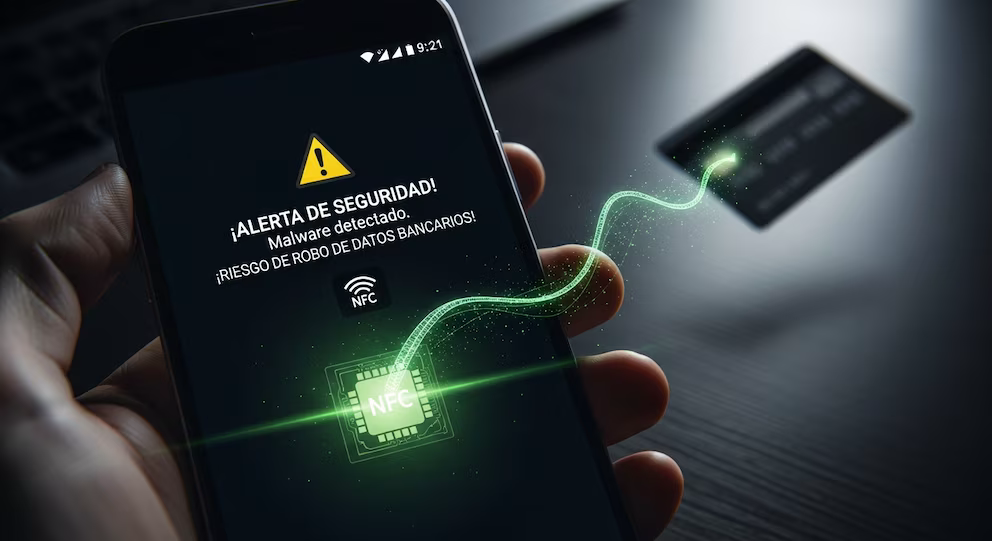
SnakeStealer’s surge coincides with a broader wave of credential theft. In the first half of 2025 alone, analysts estimate that nearly two billion credentials were compromised globally, an alarming spike compared to previous years. This explosion reflects the increasing reliance on digital identity in nearly every aspect of modern life — from banking and healthcare to education and remote work — and highlights how a single set of stolen credentials can unlock entire ecosystems of personal and corporate data.
Another factor contributing to SnakeStealer’s dominance is the rise of the “malware-as-a-service” model. Criminal groups now sell or rent their malicious tools through subscription platforms, allowing even low-skill attackers to deploy sophisticated operations. This democratization of cybercrime has fueled a surge in credential theft campaigns, many of which use SnakeStealer as their primary weapon. Its modular design means it can quickly integrate new features — such as targeting specific web browsers, exfiltrating data from password managers, or stealing two-factor authentication tokens — keeping it one step ahead of most security solutions.
What makes this malware particularly dangerous is its ability to operate quietly. SnakeStealer is engineered to evade detection by traditional antivirus programs, often hiding in legitimate system processes or encrypting its network traffic to blend in with normal activity. Once inside a system, it frequently deletes itself after exfiltration, leaving investigators with little forensic evidence to trace the breach. This stealthy approach makes timely detection and layered defense strategies more critical than ever.
Despite the growing sophistication of such threats, there are practical steps individuals and organizations can take to minimize their exposure and defend against SnakeStealer’s tactics.
First, cybersecurity experts unanimously recommend using unique, strong passwords for every online account. Credential reuse remains one of the biggest vulnerabilities: once an attacker obtains a password from one site, they often attempt to use it across multiple services. Using a reputable password manager can help users generate and store complex credentials securely.
Second, multi-factor authentication (MFA) should be enabled wherever possible. Even if a password is compromised, MFA adds an additional barrier that can prevent unauthorized access. Security specialists advise using authentication apps or hardware tokens instead of SMS-based codes, which are more vulnerable to interception.
Third, regular monitoring of data exposure is essential. Many platforms allow users to check whether their credentials have appeared in known breaches. Proactive monitoring enables individuals to reset compromised passwords before attackers can exploit them.
Fourth, keeping software up to date is one of the most effective yet overlooked defenses. Operating systems, browsers, and security tools frequently release patches that close vulnerabilities exploited by infostealers. Automating updates can significantly reduce the risk of infection.
Fifth, caution with downloads is vital. Many SnakeStealer infections begin when users download cracked software, unofficial installers, or seemingly harmless applications from unverified sources. Only downloading software from official platforms or trusted vendors drastically reduces the chances of encountering malicious payloads.
Another key measure is endpoint hygiene. Regularly scanning devices, enabling real-time protection, and monitoring for unusual network activity can help detect malware before it causes significant damage. In corporate environments, network segmentation and the principle of least privilege can limit the reach of an infection, preventing attackers from moving laterally through systems.
Finally, education remains one of the most powerful tools against infostealers. Phishing emails — often the initial vector for SnakeStealer — exploit human psychology rather than technical flaws. Teaching users to recognize suspicious attachments, unexpected links, and social engineering tactics dramatically reduces the success rate of these attacks.
The rise of SnakeStealer is a stark reminder that cybersecurity is no longer about building impenetrable walls — it is about resilience, adaptability, and vigilance. Attackers today are not relying solely on brute force but on deception, stealth, and exploitation of everyday habits. Defending against them requires not just tools, but awareness and discipline.
As 2025 draws to a close, one truth is clear: credential theft is not slowing down, and infostealers like SnakeStealer will continue to evolve. But with proactive security practices, layered defenses, and a culture of digital awareness, individuals and organizations can stay one step ahead of the invisible threats lurking in the background of our connected lives.
Information that anticipates futures. / Información que anticipa futuros.