

 Phoenix 24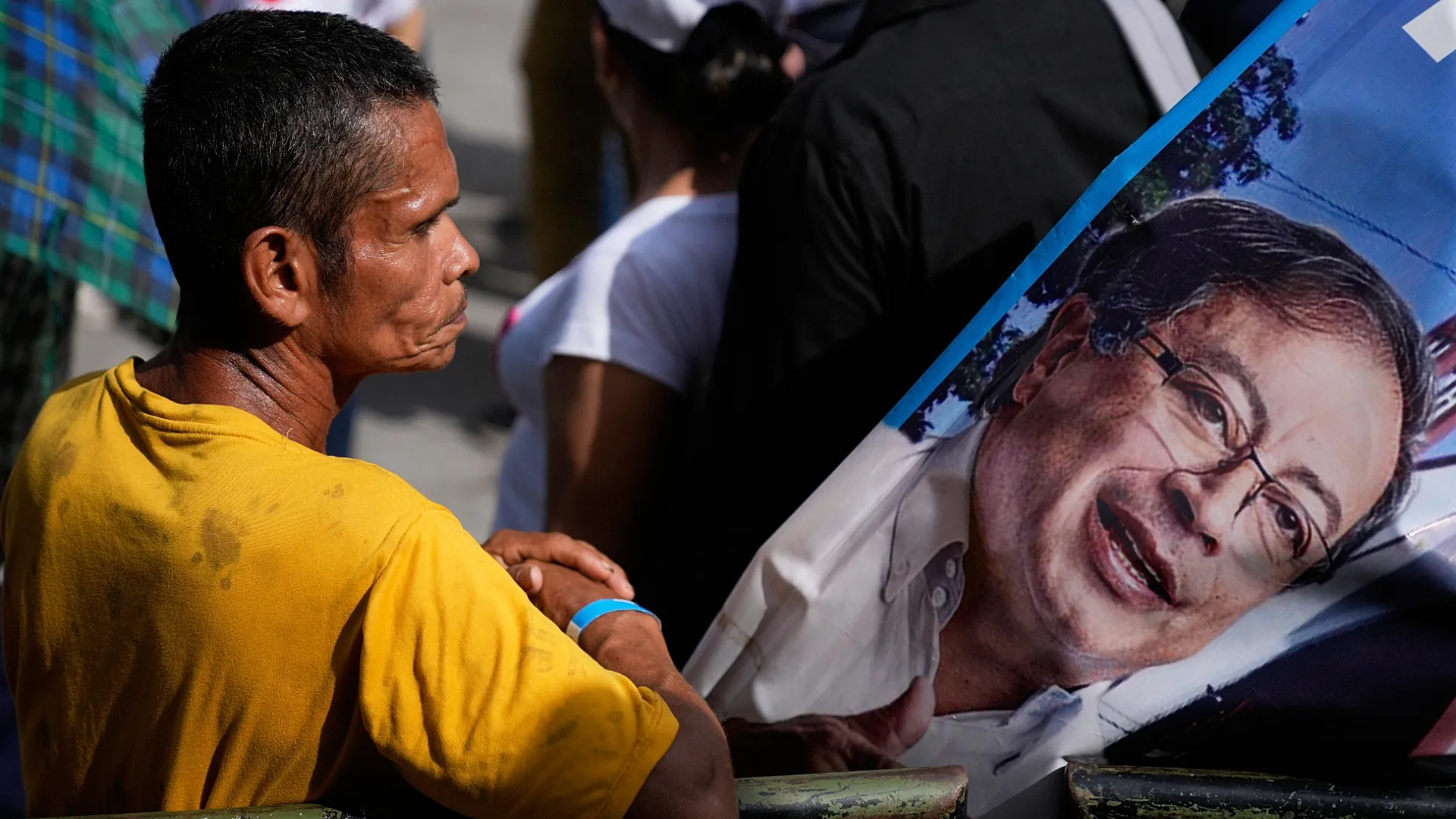
Amid rising bilateral tension, Washington turned the diplomatic screws on Bogotá at the United Nations, accusing President Gustavo Petro’s administration of undermining regional security through soft policies toward narcotics networks.
New York/Bogotá, October 2025. The U.S. Ambassador to the UN, Mike Waltz, used a session at the Security Council to publicly challenge President Petro’s approach to countering drug trafficking. He claimed Colombia has weakened its posture against armed “narco-terrorist” groups and urged immediate reforms to restore stability and cooperation in the region. The remarks follow a dramatic breakdown in ties that began when the U.S. revoked Petro’s visa after his participation in a pro-Palestine protest in New York.
The American diplomat accused Colombia of “irresponsible failures” that have contributed to escalating violence and instability inside its borders. He warned that if Colombia does not reorient its policies, the drug trade could expand beyond its frontiers and destabilize neighboring security systems. Waltz further asserted that the nascent peace talks with insurgent groups must not come at the expense of effective prosecution of drug syndicates, and that Washington expects Colombia to prioritize action.
Petro responded sharply from Bogotá, accusing the U.S. of acting like a “jailer continental” rather than a partner, and insisted Colombia will defend its sovereignty. He reiterated that security strategies must incorporate social policies, not purely militarized responses, and warned that cooperation must respect Colombia’s internal political agenda. He also condemned the visa revocation as an act of political aggression and pledged to resist external pressure that undermines national dignity.
Analysts in Latin America interpret this escalation as part of a broader trend of American interventionism cloaked in security rhetoric. The last few years have seen Washington invoke drug trafficking as a justification for expanded influence in strategic countries—notably in the Caribbean and Andean region. Nations such as Mexico and Venezuela have voiced growing wariness of U.S. pressure tactics in domestic security affairs.
From a UN perspective, U.S. tactics align with a more assertive posture by its Security Council allies. The move puts Colombia under intense scrutiny just as it prepares electoral and peace transitions. If Bogotá fails to satisfy U.S. demands, multilateral pressure may be mobilized to condition aid, security cooperation or regional diplomatic support.
In the complex intersection of geopolitics and drugs, Colombia now occupies a pivotal position. The country’s next steps could determine whether security aligns with national sovereignty—or becomes subservient to external imperatives.
Resistencia narrativa global. / Global narrative resilience.