

 Phoenix 24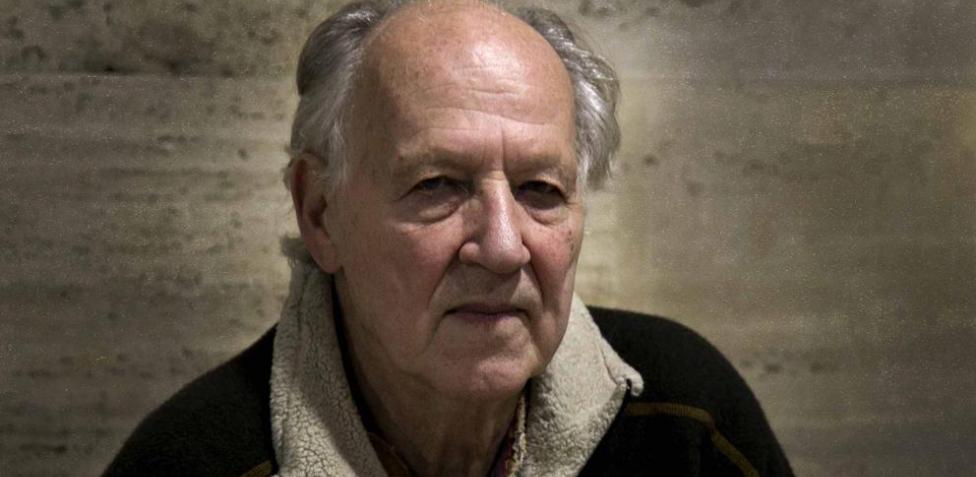
In the shadows of survival, the seeds of cinematic vision were sown.
Munich, October 2025
Werner Herzog, one of the most audacious voices in contemporary cinema, opened a window to a hidden chapter of his life: the years of severe hunger during his childhood. He described that period, which lasted two and a half years, as his most vivid memory, a crucible that forged his perseverance, his gaze toward extremes, and his unflinching understanding of human resilience.
Born in 1942 in Germany, Herzog grew up amid postwar scarcity. In public remarks, he recounted how food was often a luxury, sometimes absent altogether, with family members scavenging for scraps and reducing meals to small portions of porridge or thin soups. The weight of those years, he said, imprinted on his body and mind a sensitivity to hardship that would later inform his filmmaking. “Hunger was not just physical,” Herzog explained. “It became existential, a reminder that life itself is fragile and demands courage.”
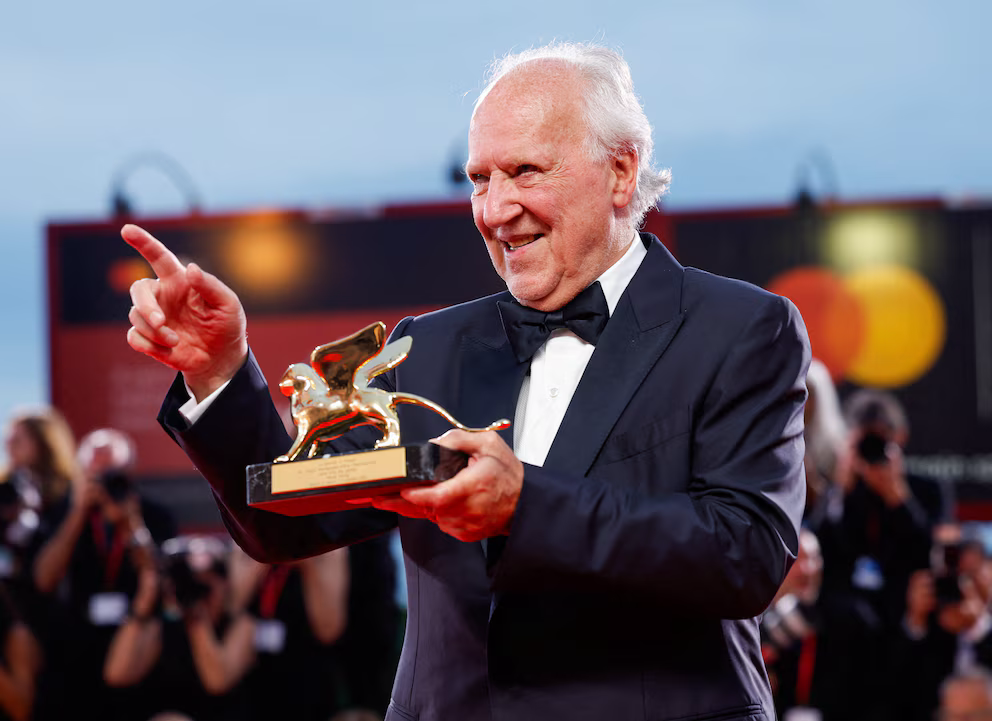
That memory has become a compass for his work. From documentaries of remote regions to dramatizations of obsession and wilderness, Herzog’s films often test the limits of human will. Viewers and critics have long observed intense landscapes and stories of survival in Aguirre, the Wrath of God, Fitzcarraldo, Grizzly Man and Into the Inferno. Yet now, knowing that Herzog lived privation firsthand brings renewed weight to these explorations of extremity.
He shared that as a young boy he discovered a paradoxical truth: scarcity sharpens perception. Without abundance to distract, one sees more, from the shape of the sky to the whisper of wind or the depth in a stranger’s eyes. Herzog claims that this austerity trained his observational sense, teaching him to notice what others might discard. It nurtured an inner lens, one attuned to faint details, fragile moments and silent forces.
His journey from childhood hunger to global cinematic icon testifies to a transformation of suffering into creative force. Herzog emphasized, however, that he does not romanticize his past. He acknowledged the toll of chronic hunger, including fatigue, illness, fear and social humiliation. But he insists that surviving those years taught him about humility, endurance and the unpredictability of nature and fortune. In his view, art exists where one is vulnerable.
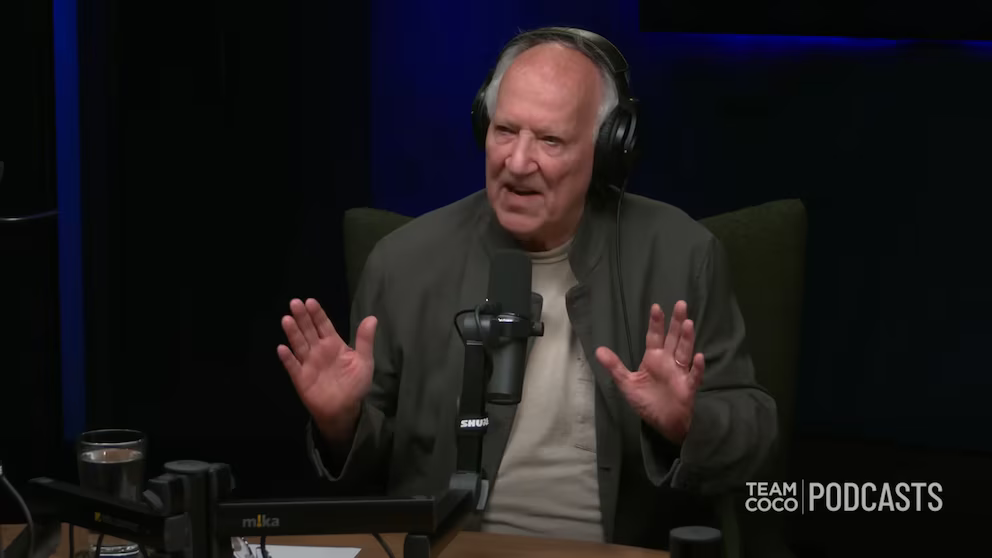
Herzog also reflected on how his past shaped relationships with collaborators. He said he carries an “appetite for risks” that sometimes unsettles crew members used to safer routines, but that this appetite comes from lived uncertainty. He expects on his sets a willingness to go beyond comfort zones, to accept danger and unpredictability as essential to truth. That expectation, he added, can be tough, but it is rooted in survival consciousness born from the void that once inhabited his youth.
In conversation, Herzog spoke about how memory itself becomes mythology. He knows that recollection can distort, compress or expand events. Yet the hunger era remains firm in his mind, not as trauma frozen but as a living element of his identity. He divides life into “before” and “after” that scarcity, as though reality itself pivoted once sustenance became inconsistent. His creative impulse emerged in the tension between those halves.
Film scholars listening to his account nodded with recognition. Herzog’s work has long flirted with confrontation, with landscapes, fate and human extremity. Yet now, to hear the artist admit that some of his most compelling scenes echo actual memories, reinforces the idea that great art often carries the ghosts of survival. His approach, melding myth, documentary, vision and suffering, feels less eccentric when seen in light of provenance.
His statement also connects with broader conversations about art born from adversity. Around the world, many creators rise from trauma, scarcity or renewal. Herzog reminds audiences that not all cinematic grandeur emerges from abundance. Sometimes it is the echo of emptiness giving shape to the void, where image, story and witness converge.
At 83, Herzog remains a restless presence in culture. He continues to travel, direct, critique and probe the marrow of landscapes and human drive. But in his reflections now he returns often to that childhood specter of hunger, not out of nostalgia but out of commitment: to never forget the fragility that precedes glory. He envisions a cinema that honors vulnerability, refuses complacency and reclaims awe in the aftermath of emptiness.
His narrative resists closure. Herzog implies that the artist must remain haunted by memory, not captive to it but indebted. In that haunted space, independence is forged: the hunger that once threatened life now gives voice. And for Herzog, acknowledging that fissure is not weakness, it is a form of perpetual creation.
Facts that do not bend. / Hechos que no se doblan.