

 Phoenix 24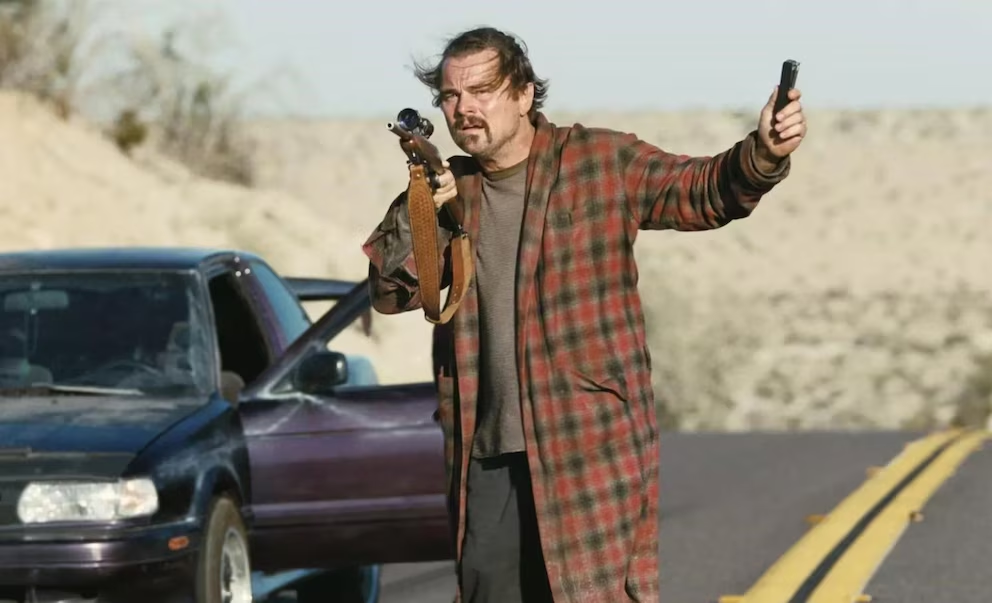
One line can carry decades of ambition, memory, and creative purpose.
Los Angeles, October 2025
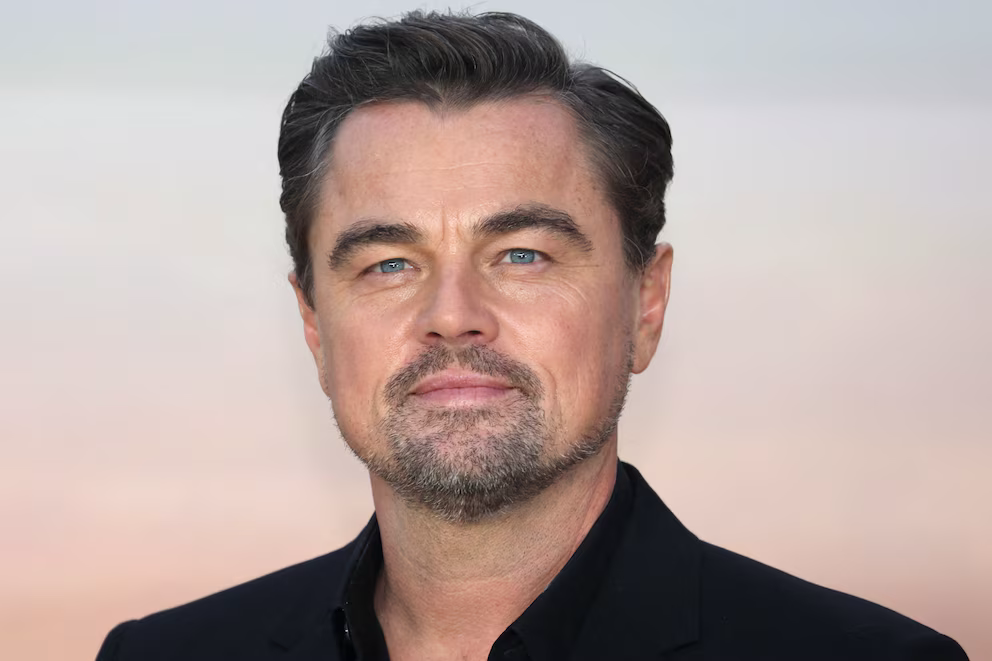
At fifty years old, Leonardo DiCaprio spoke candidly about a line he holds dear: “Pain is temporary, cinema is forever.” That maxim, he said, planted a seed in his early career that continues to resonate in his choices. The actor shared this during a recent conversation about his new film with Paul Thomas Anderson, describing the weight of that phrase as a guiding force in his understanding of art, endurance and legacy.
DiCaprio recounted how, after landing his first leading role in This Boy’s Life, director Michael Caton-Jones delivered that phrase to him in a moment of doubt. It was never a mere tagline or a motivational speech, he explained, but a whisper into his creative psyche, a reminder that the effort and pain involved in creation can outlive any momentary struggle. Over time, the phrase evolved into a touchstone for how he navigates setbacks, artistic decisions and the pursuit of meaning through cinema.
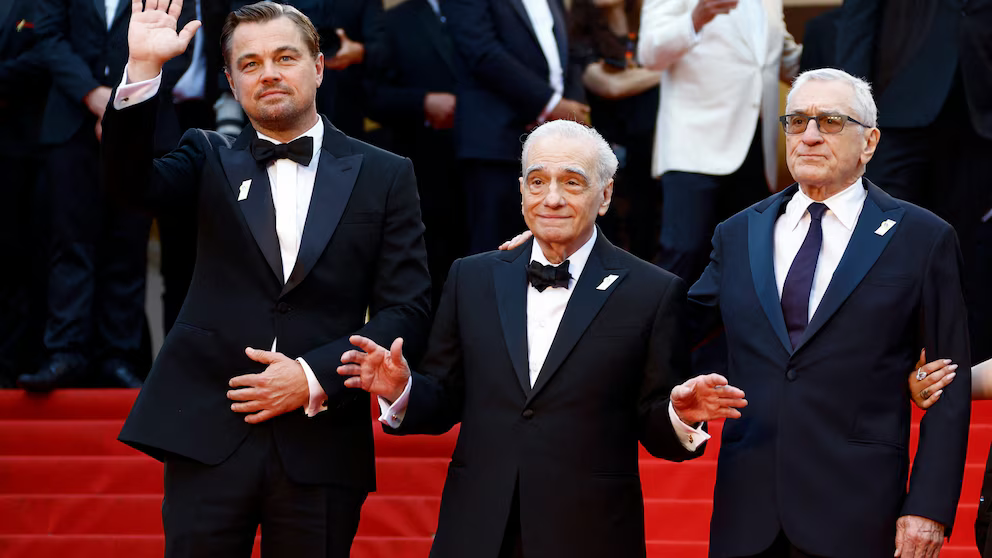
He described his experience working with Anderson on One Battle After Another. DiCaprio emphasized the director’s unwavering standard: no take advances until authenticity is achieved. Anderson often restructured narrative threads spontaneously, inviting collaborative input when a scene’s logic shifted or a sudden idea felt more truthful. Even during preproduction workshops, unexpected suggestions from the cast, such as a concealed detail in a character’s dialogue, were welcomed and integrated into the story.
DiCaprio identified a particular moment from the workshop phase. He and Chase Infinity, the young actress cast as his daughter, proposed that her character secretly carry a mobile phone, an element that was anachronistic in the story world but emotionally meaningful. Anderson embraced that subtext and reworked several scenes around it. For DiCaprio, that openness reflected the deep faith Anderson places in narrative flexibility. He said that such trust and creative agility underscore why the phrase from his early career remains relevant.
The actor also described the tapestry of influences he has woven into his work. Films like Dog Day Afternoon and East of Eden shaped his understanding of tension, character complexity and moral ambiguity. While he acknowledged that he would never imitate those classics, he explained that their spirit, built on risk, vulnerability and nuance, became part of his internal repertoire. That inner archive, constructed over years of study and experience, traces back to his earliest encounters with film and the whisper that pain is fleeting but art endures.
Reflecting on his journey, DiCaprio returned to the shared experience of cinema. He lamented how streaming culture threatens to reduce film to disposable content. For him, cinema at its best is communal: the shared darkness of a theater, the collective gasps of the audience, the silence after a final shot. In that communal space lies transformation, empathy and memory. He insisted the phrase matters because it reminds creators and audiences alike that great art must outlast the moment.
He also shared personal reminders of struggle and reward. DiCaprio recalled the discipline instilled by figures like Robert De Niro and Michael Caton-Jones early in his career. He described scenes during The Wolf of Wall Street that required dozens of takes, pushing him to physical exhaustion. According to DiCaprio, those grueling sequences were not merely spectacle but tests of narrative endurance. “The pain is temporary,” he said, “but the images and what they evoke can survive for generations.”
DiCaprio concluded by saying that the phrase is not a prescription but a reminder: to endure, to hold on to the fragile thread of vision, to lean into risk even when comfort beckons. He admitted that not every project feels fulfilling and that the temptation to soften or conform is constant. But he believes the cinematic impulse demands both vulnerability and stubbornness: the willingness to suffer for a scene, a moment or a truth that might reverberate across time.
This conversation reinforces a subtle idea: the stories artists tell are in dialogue with their own mythologies. For DiCaprio, the words from Michael Caton-Jones were less a direction and more an invitation to choose pain as a passage, not a prison. To invest in meaning that survives applause. To let the echo of cinema outlive the echo of pain.
Information that anticipates futures. / Información que anticipa futuros.