

 Phoenix 24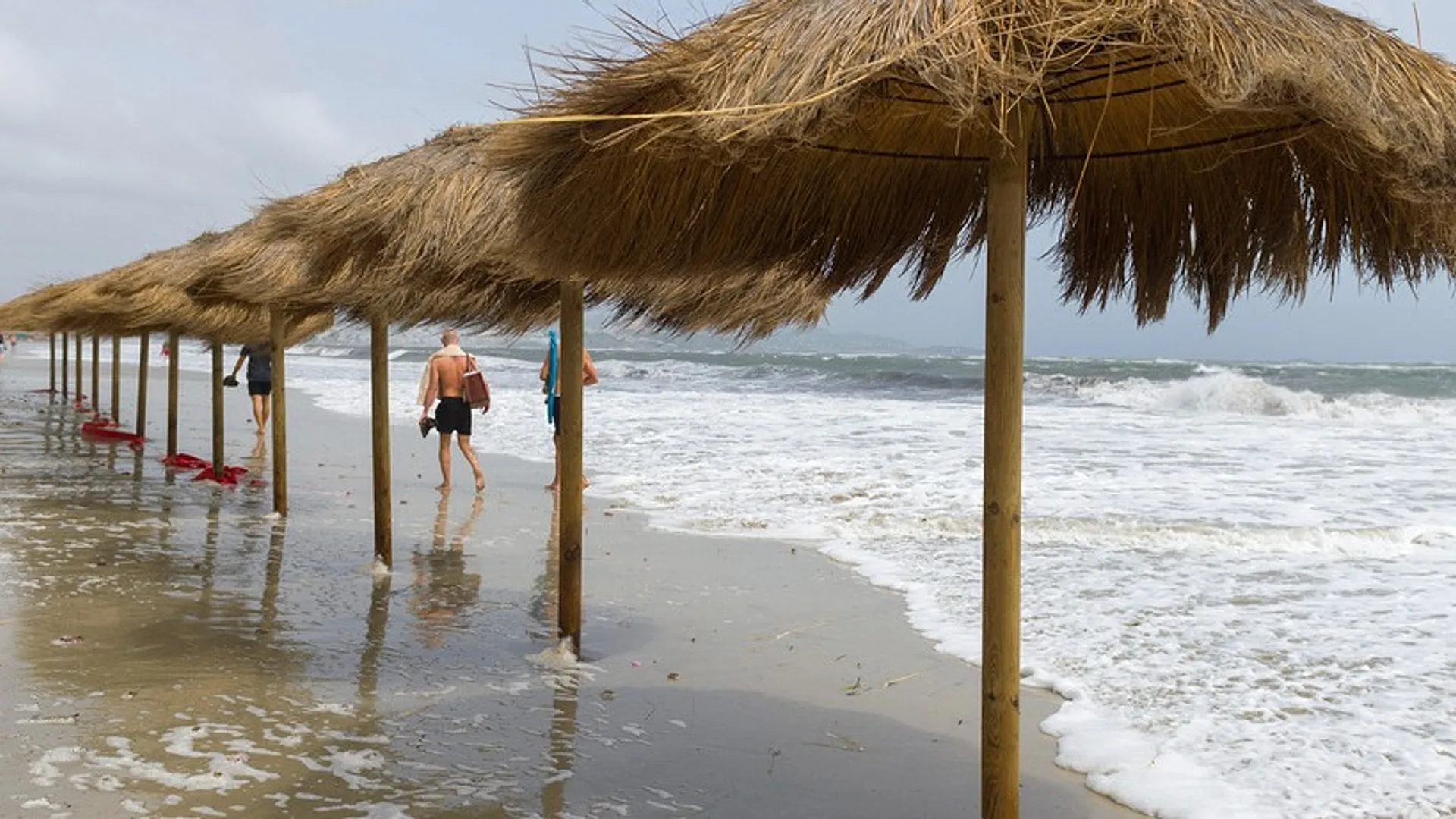
The sky cracked open, and the island ran out of room for mistakes.
Ibiza, September 2025
Spain’s national weather service issued a red alert for Ibiza and Formentera as torrential rains turned streets into rushing waterways and forced authorities to halt daily life on the Mediterranean islands. The warning came as rainfall gauges recorded levels far beyond normal capacity for the region, with around 80 liters per square meter falling in just one hour and up to 200 in two hours, a volume that overwhelmed drainage systems, flooded storefronts, and left entire neighborhoods without power. The immediate priority shifted to the basics: avoid unnecessary travel, evacuate basements and garages, and move to higher floors when water surged indoors.
Civil Protection and Balearic emergency services coordinated road closures, precautionary evacuations at schools, and repeated public warnings via radio, loudspeakers, and mobile alerts. The national emergency alert system sent direct messages to residents’ phones, urging them to stay away from low-lying areas and seasonal waterways. Military emergency units were deployed to assist with water removal and provide technical support, equipped to operate in flooded urban areas. At Ibiza’s airport, water seeped into vulnerable parts of the building, causing delays and forcing operational changes. There was no room for improvisation, only structured command chains and personnel who knew the terrain.
The event once again highlights the Mediterranean’s growing climate vulnerability. The national weather agency has documented a steady rise in short-duration, high-intensity rainfall events, a pattern consistent with findings from the World Meteorological Organization, which notes that temperate regions are facing more frequent extreme weather episodes. In Europe, the European Drought Observatory has warned of a “hydrological paradox”: recurring drought conditions that degrade soil absorption capacity, amplifying the risk of flash floods once heavy rains arrive. Across the Atlantic, NOAA has reported similar rainfall patterns in North and South America, where urban drainage networks become overwhelmed in minutes.
Ibiza’s topography adds another layer of complexity. Urban zones close to seasonal watercourses are hit hardest when rain events occur. Local neighborhood associations have long demanded regular maintenance of drainage grids, channels, and gutters before autumn, a low-cost measure that significantly reduces blockage risks. Municipal authorities continue to stress that prevention is not a slogan but a technical sequence: running simulations, maintaining water pumps, clearing vegetation, and updating local emergency plans. These are good on paper, but every storm becomes the real-world test.
Crisis communication was one of the authorities’ strong points this time. Instructions were clear and repeatedly communicated in simple terms: avoid underpasses, never attempt to drive through water, cut electricity if water enters the home, and keep emergency lines free. Lessons from previous storms in mainland Spain and other European archipelagos helped minimize the impact, from multi-agency coordination to suspending classes when uncertainty posed a bigger risk than a precautionary closure.
Yet much of the solution lies beyond weather forecasts and luck. Adaptation demands investments that do not make headlines but save lives and livelihoods: higher-capacity drainage networks, stormwater retention tanks, permeable urban surfaces, real-time water-level sensors, updated flood-risk maps, climate education in schools and hotels, and rapid recovery protocols for affected businesses. In Asia, coastal cities have shown that green infrastructure and permeable pavements are not luxury features but shock absorbers. In Spain, pilot projects already combine engineering and nature to reduce runoff peaks, and the challenge is scaling them without delay.
The local economy is also taking notes. Post-summer tourism depends on confidence, and confidence is built through effective responses. Hotels, restaurants, and retailers with continuity plans, internal cleanup teams, proper insurance, and direct communication channels with customers weather these shocks more effectively. The island’s port and airport, vital nodes for movement and commerce, need drainage audits and enhanced pre-autumn maintenance. The cost of inaction is paid every time a storm parks itself over the island and leaves its mark on the balance sheets.
Legal and bureaucratic complexities will follow in the wake of the flood. This event’s editorial risk classification is moderate, with high public attention, limited political consequences, but notable economic repercussions. Insurance claims, compensation processes, and accountability for urban maintenance are issues resolved not with statements but with technical documentation. Transparency, in procurement for drainage works and in damage assessments, reduces noise and raises the standard of accountability, which is the real measure when the waters recede and the numbers appear.
Ibiza will soon wake up to sunny skies and the feeling that the storm passed quickly. That would be a comforting but incomplete reading. The urgent work is done: roads were closed, alerts were sent, water was pumped out, and the immediate was protected. Now comes the important part: redesigning the city to meet a more volatile climate, learning from what worked, and fixing what the storm exposed with brutal clarity. The island has proven it can react. Now it must prove it can anticipate.
The visible and the hidden, in context. / Lo visible y lo oculto, en contexto.