

 Phoenix 24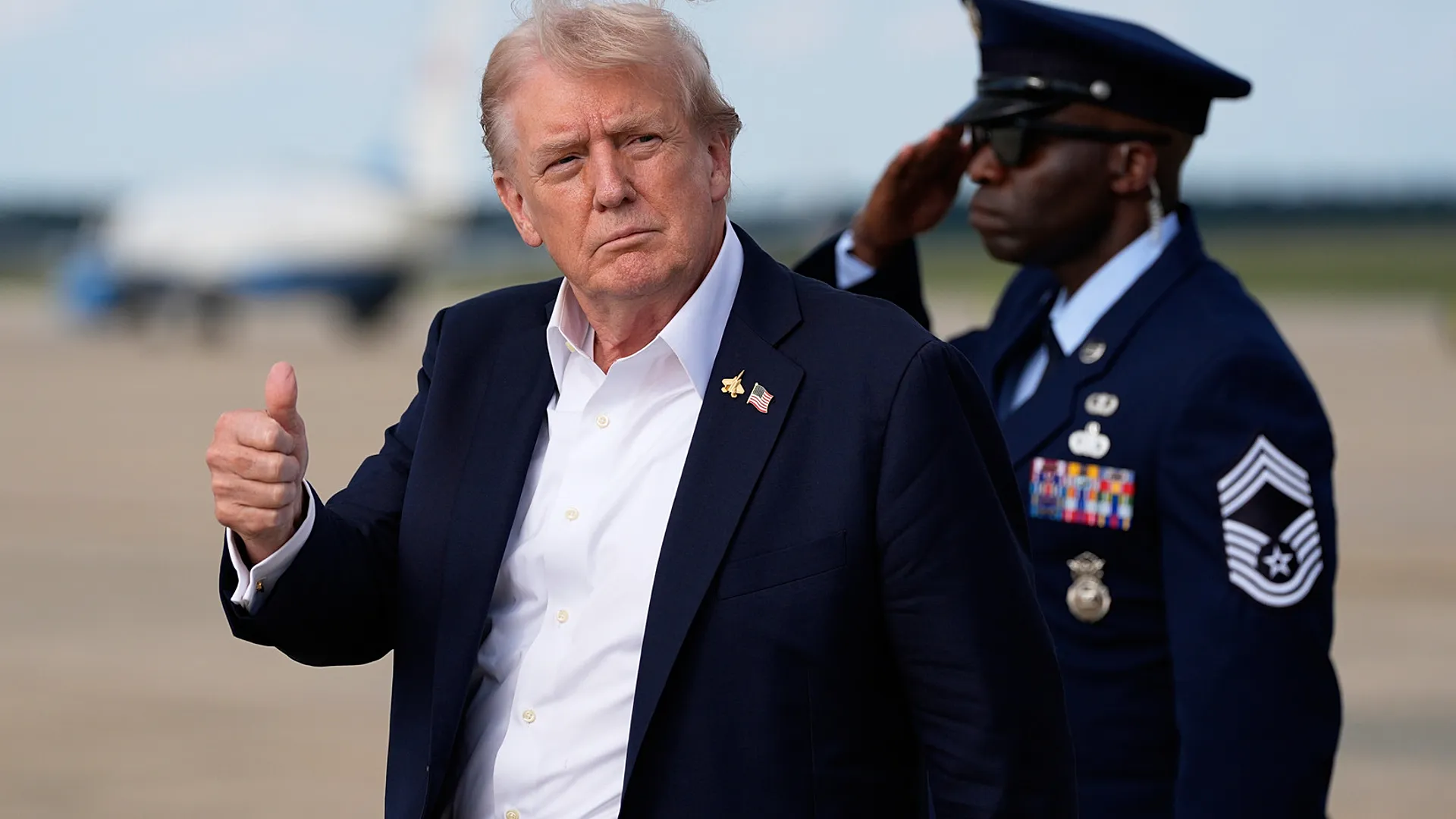
When diplomacy becomes theater, peace proposals reveal more about power than about reconciliation.
Washington, September 2025. In a high-stakes political maneuver with global repercussions, U.S. President Donald Trump unveiled a comprehensive 21-point plan that he claims will “end the war in Gaza and bring lasting stability to the Middle East.” Presented during a televised address from the White House, the document lays out a sweeping mix of ceasefire conditions, territorial arrangements, security measures, and economic incentives, a package that blends hard power with transactional diplomacy in a way that reflects Trump’s characteristic approach to foreign policy.
At the heart of the plan is a call for an immediate and verifiable cessation of hostilities under international supervision, with both Israel and Hamas required to halt offensive operations within a 72-hour window. The proposal tasks a joint monitoring mission composed of U.S., Egyptian, and Gulf state forces with overseeing compliance. Trump insisted that any ceasefire would be conditional on Hamas releasing all remaining hostages, including foreign nationals, and on Israel suspending planned ground operations in the southern sector of Gaza.
A second pillar of the plan calls for a demilitarized buffer zone under international administration along Gaza’s borders, monitored by a coalition including NATO observers and regional partners. Trump argued that this step is non-negotiable to prevent future attacks and ensure the long-term security of both Israelis and Palestinians. Critics, however, warn that such a mechanism risks cementing foreign control over Palestinian territory and could undermine prospects for genuine sovereignty.
The economic dimension of the proposal is equally ambitious. Washington would spearhead a multibillion-dollar reconstruction fund, coordinated with Gulf monarchies and the European Union, to rebuild critical infrastructure, hospitals, and schools in Gaza. The initiative, however, would be contingent on a comprehensive disarmament agreement and the integration of Gaza’s governance structures into a broader regional framework, a clause many analysts see as an attempt to sideline Hamas politically and empower rival factions.
The plan also outlines a controversial political pathway: the creation of a provisional joint administrative authority made up of technocrats selected by the United States, Egypt, and Jordan, tasked with overseeing Gaza’s transition until elections can be organized under international supervision. Israel would be expected to suspend settlement expansion during this transitional period, while Palestinian factions would be required to recognize Israel’s right to exist, a condition that has historically been a major obstacle in negotiations.
International reactions have been mixed and deeply polarized. European officials cautiously welcomed the emphasis on reconstruction and hostages, though several governments expressed concern that the plan heavily favors Israeli security priorities over Palestinian political aspirations. In the Middle East, Egypt and the United Arab Emirates praised the proposal as a realistic path toward stabilization, while Iran dismissed it as an American blueprint for occupation under another name.
Human rights organizations were quick to point out the plan’s omissions. The absence of any explicit reference to the right of return for Palestinian refugees or a clear framework for final-status negotiations over Jerusalem drew sharp criticism from advocacy groups and United Nations officials alike. Observers from the Office of the High Commissioner for Human Rights argued that without addressing these core grievances, the plan risks entrenching rather than resolving the conflict.
Security analysts in the United States and Europe have also raised questions about the feasibility of several provisions. The proposed multinational buffer force would require unprecedented levels of coordination and political will, particularly from Arab states reluctant to be seen as policing Palestinian territory. Moreover, the prospect of disarming militant groups without triggering renewed violence is widely seen as unrealistic without parallel political concessions.
Despite these concerns, Trump’s allies in Washington hailed the plan as a historic blueprint for peace and a testament to American leadership. Supporters argue that the transactional nature of the proposal, combining security guarantees, economic incentives, and political restructuring, reflects a pragmatic recognition of realities on the ground. They contend that while idealistic visions of a two-state solution have repeatedly failed, this plan prioritizes enforceable conditions over abstract principles.
Yet many diplomats warn that the blueprint’s underlying logic, peace through leverage rather than mutual compromise, could deepen mistrust between the parties. By tying humanitarian aid to political compliance and conditioning sovereignty on disarmament, the plan risks being perceived less as a peace proposal and more as a strategic diktat imposed by Washington and its allies.
As the diplomatic machinery begins to test the plan’s viability, one fact remains clear: the Gaza conflict has become more than a territorial dispute. It now embodies the broader struggle over regional power, legitimacy, and narrative control, a contest in which even the language of peace is weaponized. Whether Trump’s 21-point strategy can transcend that reality or merely rearrange its dynamics will determine whether it becomes a blueprint for resolution or another entry in the long history of failed Middle East peace plans.
Analysis that transcends power. / Análisis que trasciende al poder.