

 Phoenix 24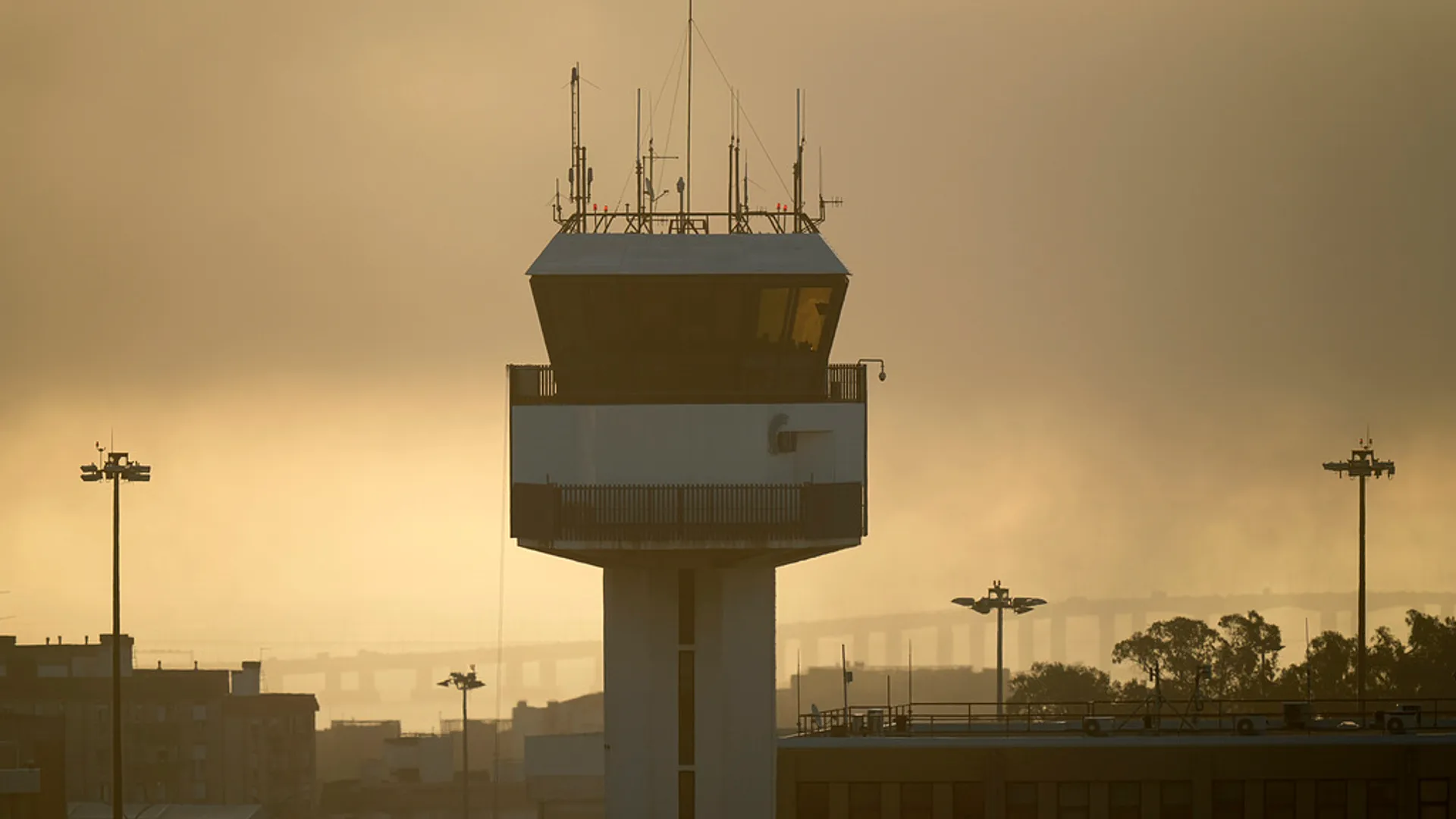
When nature disrupts modern mobility, even the most advanced transportation systems reveal their fragility.
Lisbon, September 2025. Severe weather linked to Storm Gabrielle caused significant disruptions to air travel across Portugal, forcing the cancellation of multiple flights in Lisbon and Porto and raising concerns about the resilience of aviation infrastructure. The storm, now a weakened post-tropical system, approached the mainland after sweeping through the Azores, where heavy rain and strong winds had already left a trail of damage.
Airport authorities in Lisbon confirmed that several departures and arrivals were canceled, including flights bound for Terceira, Ponta Delgada, Rome, and Lyon. Although officials stopped short of directly attributing the disruptions to Gabrielle, the timing of the cancellations coincided with the storm’s approach and intensification over the Atlantic. In Porto, the impact was even more pronounced, with numerous flights scrubbed from schedules as weather conditions deteriorated throughout the day. National carrier TAP issued warnings that operations could face additional disruptions in the following days as meteorological forecasts pointed to worsening conditions.
The Azores experienced the first and most severe effects of Gabrielle’s power. Local civil protection authorities reported families displaced by heavy rainfall and strong winds, with gusts exceeding 110 kilometers per hour and occasional peaks well above 150. Emergency services recorded hundreds of incidents, ranging from fallen trees to flooded roads, though fortunately no fatalities were reported. The regional airline SATA announced the cancellation of all morning flights to and from Ponta Delgada and Terceira, while TAP issued similar alerts for mainland routes.
Meteorological data from the Portuguese Institute of Sea and Atmosphere indicated that Gabrielle would continue weakening as it moved eastward but warned that its remnants could still deliver significant impacts. An orange alert was issued for coastal regions due to high seas and strong winds, with waves expected to reach between five and six meters and occasional peaks surpassing ten. Authorities also warned that rainfall would intensify across the western, central, and southern regions of Portugal, with possible spillover effects in Galicia, Andalusia, and Extremadura.
The link between the storm and flight cancellations, while not officially confirmed in all cases, is widely regarded by aviation analysts as a direct consequence of meteorological volatility. Airlines often adjust flight schedules preemptively when adverse conditions threaten to compromise passenger safety or ground operations. Sudden changes in wind patterns, low visibility, and turbulence risks are among the factors that can force cancellations even before a storm reaches full strength.
The broader implications of Gabrielle’s arrival go beyond aviation logistics. Weather-related disruptions highlight the vulnerability of transportation systems to climate variability and underscore the need for adaptive planning. Airlines and airports are increasingly investing in predictive technologies and real-time weather analytics to mitigate the operational and economic consequences of extreme weather. However, as events like Gabrielle demonstrate, such measures cannot entirely eliminate the risks associated with large-scale atmospheric disturbances.
For passengers, the disruptions caused by Gabrielle are a reminder of how quickly travel plans can unravel under the influence of natural forces. Authorities urged travelers to check flight statuses frequently and avoid unnecessary movement near coastal areas due to hazardous conditions. Transportation officials also warned that delays and cancellations could ripple across European routes as airlines adjust aircraft positioning and crew schedules in response to the storm’s evolving trajectory.
Although Gabrielle is expected to lose strength as it continues inland, its impact on Portugal’s transportation networks will likely linger beyond the immediate weather event. The cancellations in Lisbon and Porto serve as a cautionary example of how climate-related disruptions can reverberate through critical infrastructure, affecting not only air travel but also cargo logistics, tourism, and emergency response coordination.
As the storm’s remnants move eastward, the country remains on alert for secondary impacts, including flash floods, coastal erosion, and power outages. These cascading effects, while less visible than canceled flights or delayed departures, form part of a broader pattern of vulnerability that European infrastructure faces in the era of increasingly unpredictable weather systems.
The visible and the hidden, in context. / Lo visible y lo oculto, en contexto.