

 Phoenix 24
When the sky turns into shrapnel, diplomacy loses its voice and urgency takes over.
Kyiv, September 2025
The Ukrainian sky has become a battlefield. In just a single week, Russian forces launched more than 1,300 combat drones, nearly 900 guided bombs, and about 50 missiles at different regions across the country. The scale of the offensive does not simply mark an increase in firepower. It signals a clear attempt by Moscow to break the resilience of a population already exhausted after years of war.
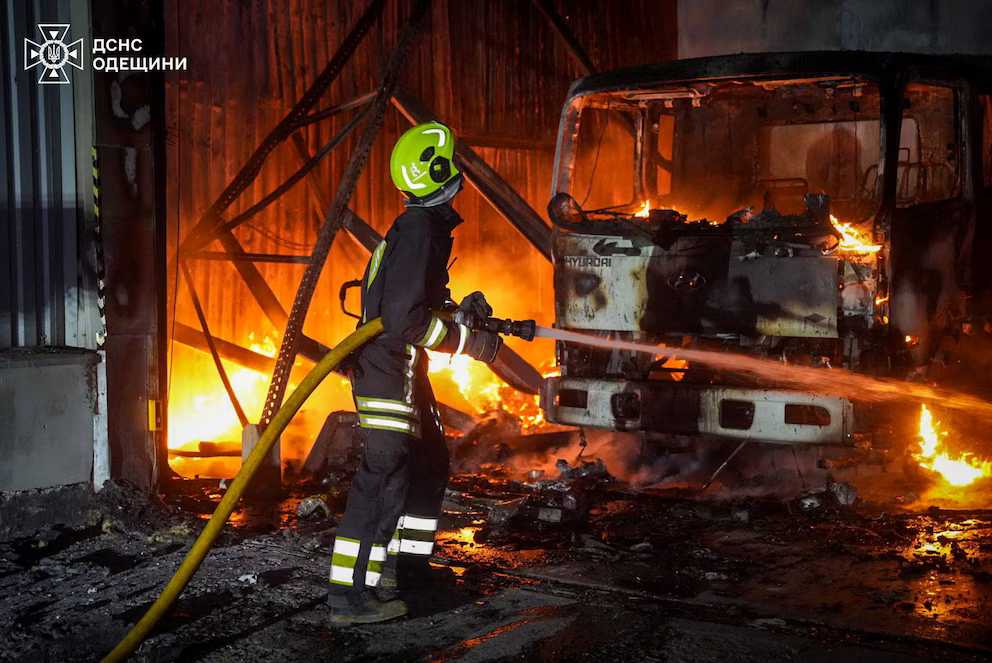
Explosions were reported across multiple fronts: Chernihiv, Kharkiv, Odesa, Kherson, Kyiv, Zaporizhzhia, Dnipropetrovsk, Kirovohrad, Khmelnytskyi, Zhytomyr, Volyn, Ivano-Frankivsk, Rivne, and Lviv. In each of these areas, emergency services worked to the limits of their capacity, racing to contain fires, rescue victims, and restore essential services. The massive and simultaneous nature of the strikes aimed to overwhelm air defenses, exhaust anti-air ammunition, and impose psychological terror on civilians.
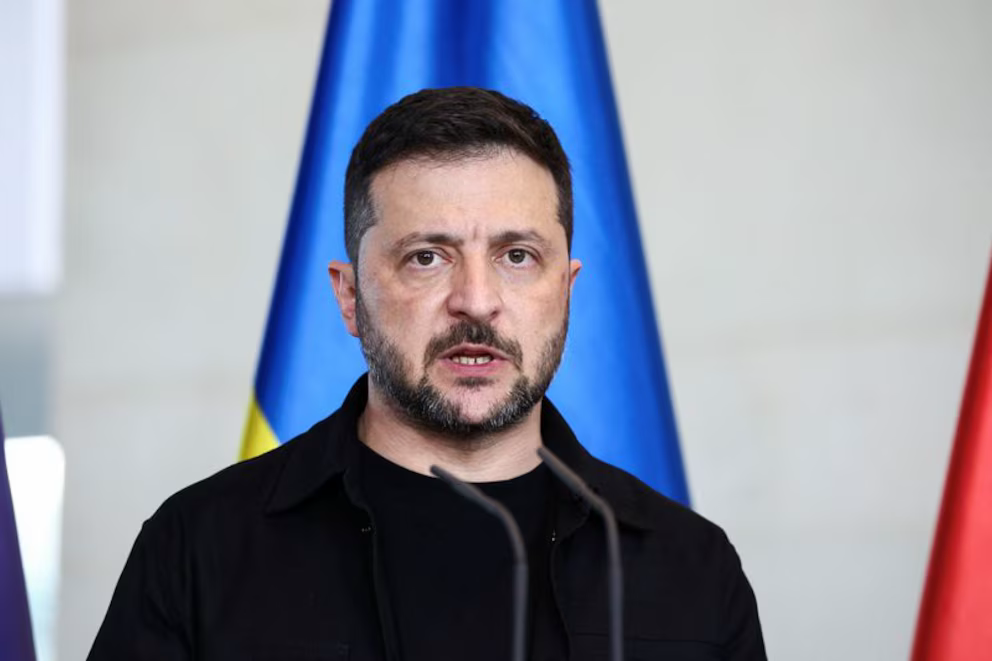
President Volodymyr Zelensky denounced the assault as part of Moscow’s calculated strategy to prolong the war under conditions of impunity. He argued that Russia has turned diplomacy into an empty ritual while intensifying its arsenal against cities and towns. According to him, the international community must respond not just with words, but with tougher sanctions and stronger air defense support. He also emphasized that Russia’s energy trade continues to finance the war, calling for harsher measures in global markets to curtail those revenues.
The pattern of the attacks demonstrates Moscow’s reliance on a hybrid toolkit of destruction. Swarms of kamikaze drones, relatively cheap to deploy, are used to saturate Ukrainian defenses. Guided bombs target civilian infrastructure and energy facilities, while precision missiles strike at military and logistical nodes. This layered strategy seeks to undermine Ukraine on several fronts at once: weakening its economy, eroding public morale, and pressuring allies abroad with images of relentless devastation.
The human toll is immense. Families are once again taking shelter in improvised bunkers, electricity grids have suffered interruptions, and hospitals are struggling under extreme pressure. Beyond material destruction, the offensive carries a symbolic message: no Ukrainian city is beyond Moscow’s reach. By spreading fear from east to west, Russia attempts to project an image of control and inevitability.
At the international level, the response remains fragmented. NATO allies have provided more air defense systems, yet these batteries face a paradox of saturation. There is simply not enough capacity to intercept thousands of drones and missiles launched in waves. Meanwhile, internal debates in Western capitals about financial costs, domestic priorities, and “war fatigue” have slowed decisive action, even as Ukraine warns that time is not on its side.
Russian officials frame the bombardments as retaliation against Western support for Kyiv. But the broader strategy suggests something else: Moscow wants to prove that it can escalate at will without facing immediate consequences. By doing so, it undermines Ukrainian confidence in its defenses and signals to the world that its capacity to wage war remains intact.
Zelensky, aware of this dangerous dynamic, has hardened his rhetoric. He now speaks not only to Ukrainians but to the global audience, insisting that every drone and every bomb launched against Ukraine also tests international stability. If such violence becomes normalized, today’s silence could become tomorrow’s precedent for unchecked impunity.
Ultimately, the past week has confirmed that the conflict has entered a phase of maximum intensity. Russia is not seeking a quick victory but rather a war of attrition that drains Ukraine’s society and strains its allies. The central question now is whether the international community will respond with proportional firmness before the war fades into background noise. In such a scenario, diplomacy weakens while the sky continues to rain shrapnel.
The visible and the hidden, in context.
Lo visible y lo oculto, en contexto.