

 Phoenix 24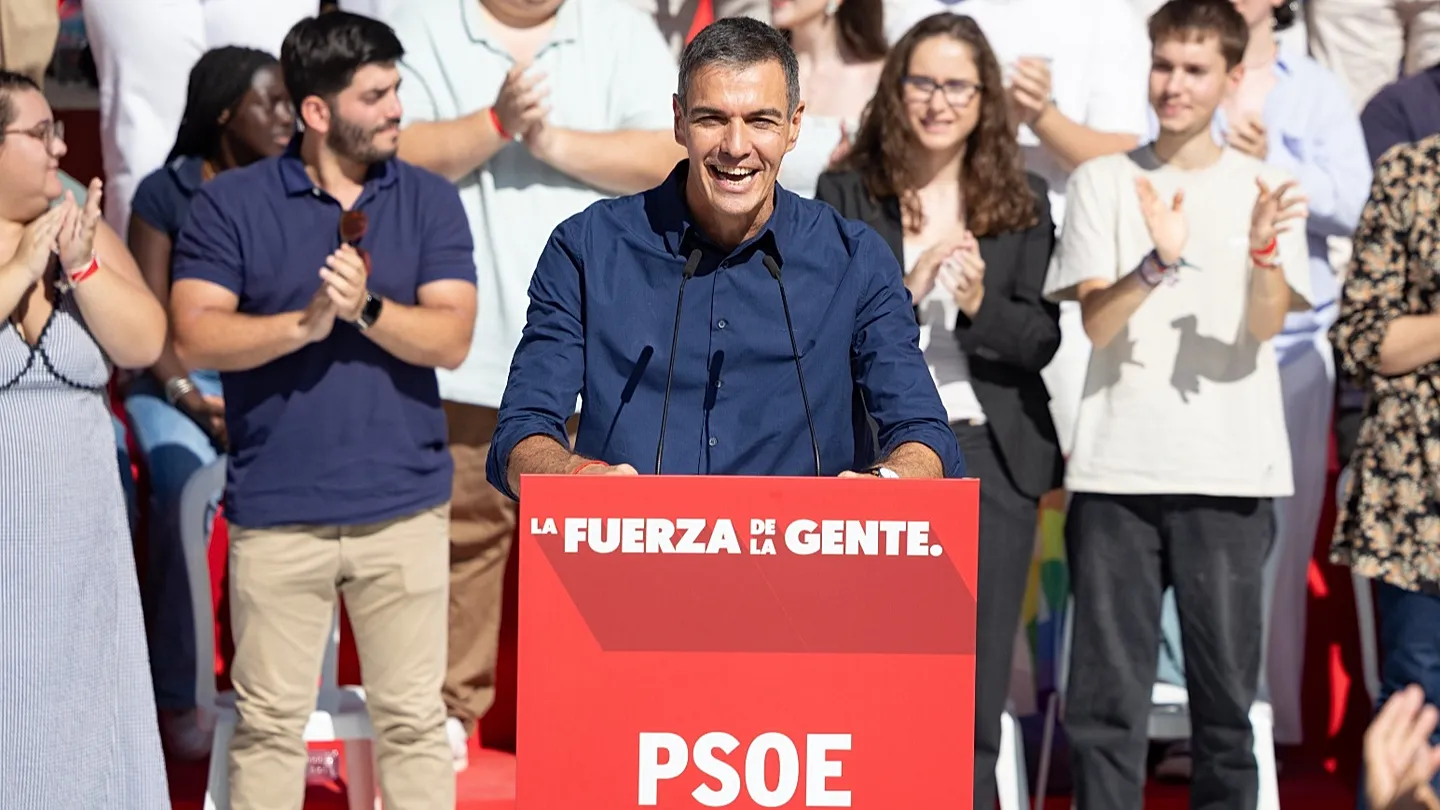
The Spanish prime minister is betting that the country’s housing crisis can become the defining issue of an increasingly polarized election.
Dos Hermanas, Spain
Spanish Prime Minister Pedro Sánchez has formally opened his campaign for the November 29 general election in Dos Hermanas, the Andalusian city that has repeatedly served as a symbolic launching point for his political battles. Speaking before around 5,000 supporters, according to the Socialist Party, Sánchez placed housing at the center of his attempt to retain power.
The choice of Dos Hermanas carries political history. Sánchez began his successful internal campaign for the PSOE leadership there in 2017 and also launched previous national campaigns from the city. Returning in 2026 allows him to frame the new election as another comeback effort after a difficult sequence of electoral setbacks for the Socialists at regional, municipal, European and national levels.
Housing has become the core of that strategy. Sánchez defended measures previously rejected in parliament and argued that stronger government intervention is necessary to address high rents, limited supply and barriers to first-time home ownership. His government has since approved two new decrees containing 21 measures aimed at tenants, buyers, developers and social-housing providers.
Among the most prominent proposals is a €10 billion loan program for people purchasing their first primary residence. The plan would provide zero-interest loans of up to €50,000, repayable after the mortgage has been completed, with conditions designed to limit future resale prices and regulate rents if the property is later leased.
The broader package also includes tax deductions for tenants, extensions of rental contracts for people who remain current on payments, restrictions on rent increases and additional financing for industrialized housing construction. Public housing company Casa 47 is expected to acquire thousands of properties from the Social Security system for use as affordable housing.
The campaign message is also explicitly political. Sánchez accused conservative rivals of relying on fear and presented the election as a choice between social intervention and spending cuts. The Popular Party and Vox, in turn, have criticized the government’s record and are campaigning on institutional reform, economic management and a broader promise of political change.
The timing gives the housing debate additional importance. Sánchez called the early election after defeats in parliament weakened his ability to govern, particularly following the rejection of earlier housing decrees. What began as a legislative dispute has therefore become one of the principal dividing lines of the campaign itself.
The November election will ultimately be fought over several issues, including institutional trust, migration, the economy and political stability. But Sánchez is making a clear calculation: housing is the issue most capable of translating everyday financial pressure into electoral urgency.
In Spain’s 2026 campaign, the battle for government may increasingly be fought through the price of having somewhere to live.