

 Phoenix 24
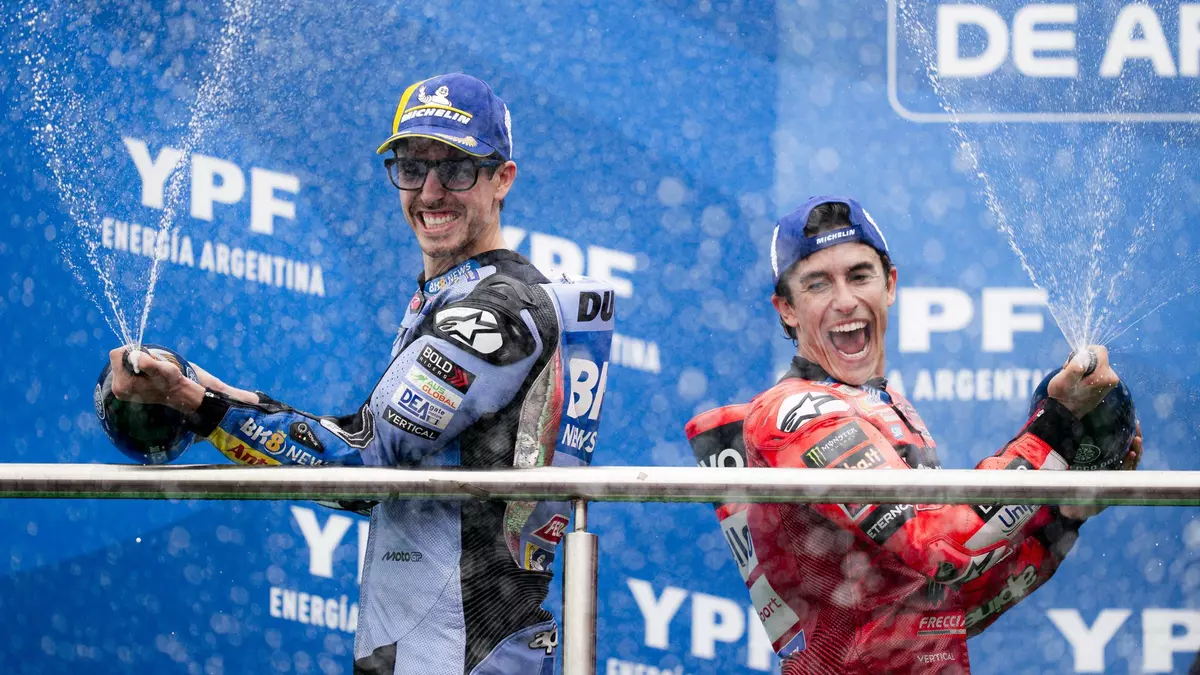
A duel that tests resolve, resilience, and family bonds.
Cervera, Catalonia, September 2025
At the heart of the MotoGP season a subtle but profound dynamic unfolds: Alex Márquez, the younger brother, chasing and yet honoring the legacy of a champion. Since 2025 began, the standings have become a tapestry of contrasts. In Thailand and Argentina, Marc Márquez claimed victories with Alex following closely behind. In Argentina both stood atop the podium in back-to-back races, marking a rare moment when siblings dominated together. That alone speaks volumes about Alex’s consistency and commitment.
Whispers persist. Some suggest Alex holds back when racing Marc, that family ties temper his aggression. They point to their frequent one-two finishes and ask whether the younger rider hesitates. Alex has responded with self-awareness and wit, describing his early years as a lifelong exposure to mental games, hinting that navigating rivalry with his brother is a lesson without end.
Marc does not accept such speculation. He defended Alex publicly, rejecting the notion of intentional restraint. He cited battles in Assen, where even teammates could not pass him, as proof that Alex races with full intent. When Alex later crashed in that Dutch race and broke his hand, Marc celebrated his win yet revealed deep concern for his brother’s recovery.
Alex’s breakthrough arrived in Jerez. On his twenty-ninth birthday, he secured his first MotoGP victory, igniting an emotional surge at the finish line. In a dramatic encounter he overtook Marc’s early lead after his brother crashed out, transforming frustration into triumph. That win placed Alex at the top of the championship, ahead of Marc in one of the most striking twists of sibling rivalry the sport has seen.
Despite this golden moment, the narrative remains complex. Alex has accumulated a string of runner-up finishes and although his consistency is undeniable, the weight of being known simply as the brother lingers. Their mother, Roser Alentà, has repeatedly voiced her wish for Alex to claim a championship of his own. She insists that Marc’s fame has overshadowed Alex’s effort and believes her younger son deserves to be recognized in his own right. Marc himself has admitted he shares that hope.
Behind the scenes, Alex’s determination is often underestimated. Even with a hand injury early in the season he quietly pushed through practice sessions and qualified well, showing both resilience and focus. At the German Grand Prix he surprised teams by advancing into Q2 despite visible discomfort, reinforcing the perception that he refuses to be defined by pain or comparison.
This rivalry is not merely about who finishes ahead. It reflects themes of identity, expectation, ambition and respect. Marc is a six-time world champion whose return after injury-ridden seasons has been remarkable. Yet Alex is unwilling to accept a secondary role. His victory in Spain and consistent pace throughout the season show that he intends to write his own chapter.
Throughout their battles both brothers maintain a respect that never compromises competitiveness. Their mother’s call for healthy rivalry rather than media-driven drama resonates across paddocks and podiums. What emerges is not caricatured conflict but the evolving story of two men who know each other better than anyone else, aware of each other’s strengths and vulnerabilities.
In the standings Alex trails Marc by points, but the difference feels more symbolic than decisive. Each race demonstrates that MotoGP is not only about speed but also about mental strength, family complexity and the cost of ambition. Fans who reduce the story to a simple hierarchy miss the deeper nature of this duel.
There are no simple answers. As Alex continues to perform at a level worthy of recognition and Marc defends his legacy with both skill and empathy, MotoGP gains a narrative of unusual depth. Their story transcends asphalt and engines. It reveals the multiple faces of competition: fear, pride, empathy and resolve.
In the end this rivalry is both an external contest and an inner journey. Alex Márquez has shown that he can lead, endure setbacks, rebound from injury and challenge assumptions about who he is. The greater question is not whether he holds back but whether the sporting world is prepared to see him not just as Marc’s brother, but as Alex Márquez, a contender in his own right with the potential to claim the ultimate prize.
Narrative is power too.
La narrativa también es poder.