

 Phoenix 24
Authorities in both nations warn of strong coastal currents and potential waves one day after the 8.8‑magnitude event in Kamchatka
Santiago / Wellington, July 2025 – One day after an unprecedented 8.8‑magnitude earthquake struck off Russia’s Kamchatka Peninsula, both Chile and New Zealand remain under maximum tsunami alert, while other Pacific nations have begun to lower theirs. The seismic event triggered a wide-scale Pacific emergency response, compelling governments to act swiftly to protect vulnerable coastal populations.
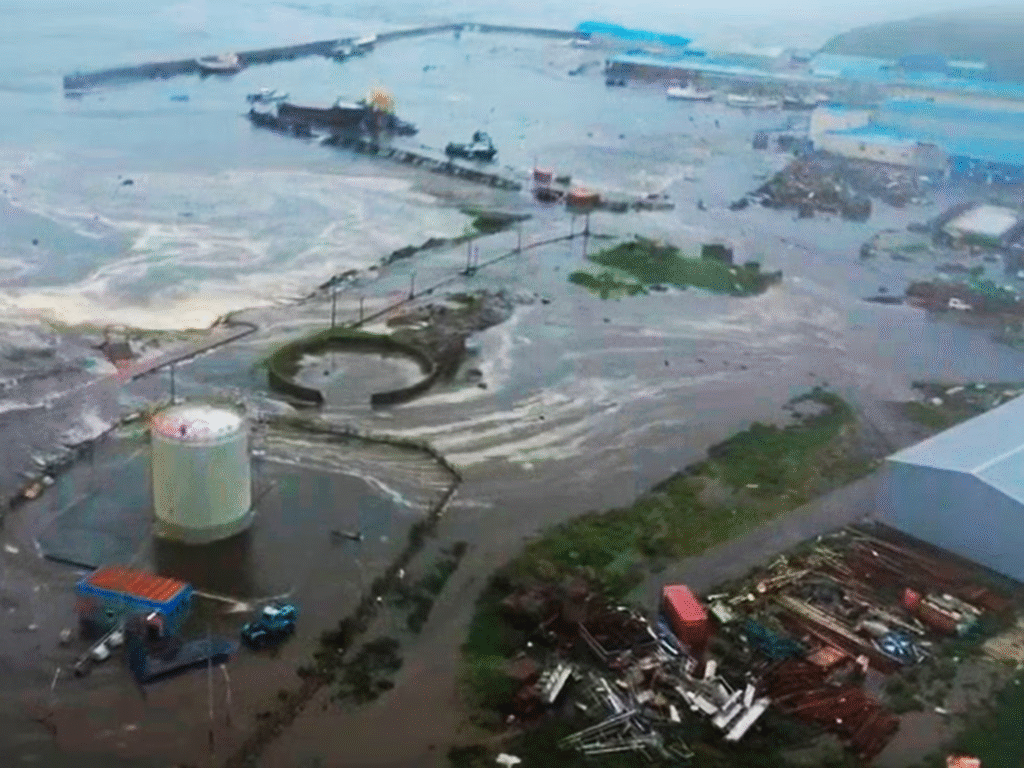
In Chile, red-level tsunami alerts were issued for 13 of the country’s 16 coastal regions, leading to the evacuation of nearly 1.5 million residents from areas stretching from Arica to Los Lagos, including Easter Island. Initial wave measurements recorded 2.4 meters in Boyeruca, 1.2 meters in Coquimbo, and 1.0 meter in Coliumo. While no flooding was reported, authorities maintained heightened vigilance due to the unpredictable behavior of post-seismic ocean currents.
New Zealand’s National Emergency Management Agency extended warnings across its north, east, and southern coasts, including the Chatham Islands. The agency urged residents and visitors to stay away from beaches, ports, and rivers, stressing that strong and unusual currents could persist for at least 24 hours and continue to pose risks even without major wave events.
Globally, tsunami warning systems were activated efficiently. Over three million people in Japan, the United States, Russia, Peru, Colombia, and Ecuador were evacuated within minutes, thanks to the early warning coordination managed by the Pacific Tsunami Warning Centre. Experts credited public preparedness and rapid alerts with avoiding widespread casualties.
While Japan and the U.S. West Coast downgraded their alerts within hours, Chile and New Zealand continued to take a cautious approach. Japan, which evacuated nearly two million people, recorded minor property damage as waves reached up to three meters. Chile, meanwhile, reported no structural damage, but ongoing wave reflections from South American shores created continued oceanic instability across the Pacific basin.
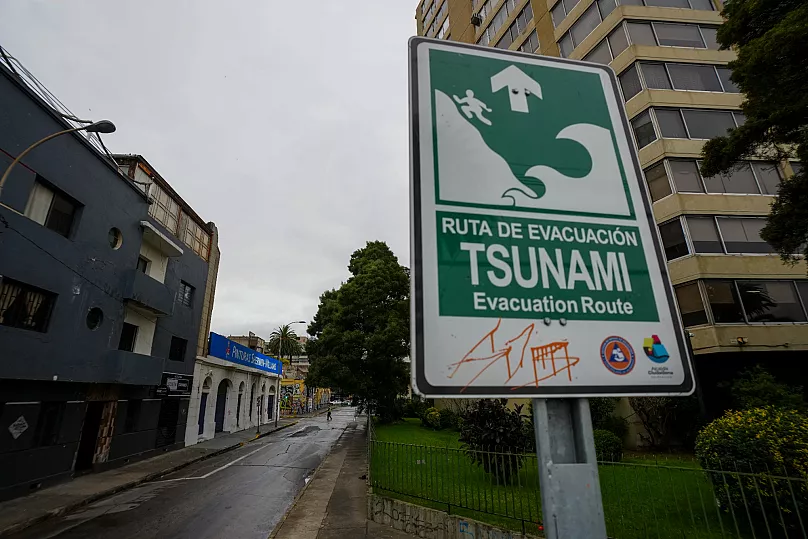
Chile’s rapid response reflected a high level of disaster readiness. Civil defense teams deployed pre-established evacuation protocols, supported by digital alerts, coastal sirens, and community signage. The operation unfolded even as central and southern zones dealt with an unrelated storm system, further complicating logistics.
New Zealand’s experience exposed some gaps in its warning infrastructure, particularly in densely populated coastal areas like Wellington and Christchurch. Technical limitations in the tsunami siren network were noted, but officials emphasized that mobile alerts, radio coordination, and local emergency services enabled smooth evacuations and minimized confusion.
Despite the earthquake’s immense magnitude, no major casualties have been reported in either Chile or New Zealand. The relative lack of damage underscores the effectiveness of early warning systems and the importance of public compliance. Still, authorities remain on high alert due to the possibility of delayed or secondary wave activity, which can unpredictably threaten marine infrastructure, fishing zones, and vulnerable coastline settlements.
For countries along the Pacific Ring of Fire, the incident reaffirms a long-standing truth: seismic disasters are inevitable, but their human toll can be minimized through preparedness and coordination. Both Chile and New Zealand have demonstrated resilience, but the event also highlighted vulnerabilities in early warning communication and the ongoing need for infrastructure investments in disaster mitigation.
In the hours ahead, emergency officials in both nations will assess updated oceanographic data to determine whether to lift or extend current restrictions. While waters may calm, the memory of the quake—and its potential ripple effects—will linger in the strategic calculations of Pacific nations.
This piece was developed by the Phoenix24 editorial team using reliable sources, public data, and rigorous analysis in alignment with the current global context.
Elaborado por Phoenix24 con fuentes confiables, datos públicos y análisis riguroso, en coherencia con el contexto global vigente.