

 Phoenix 24
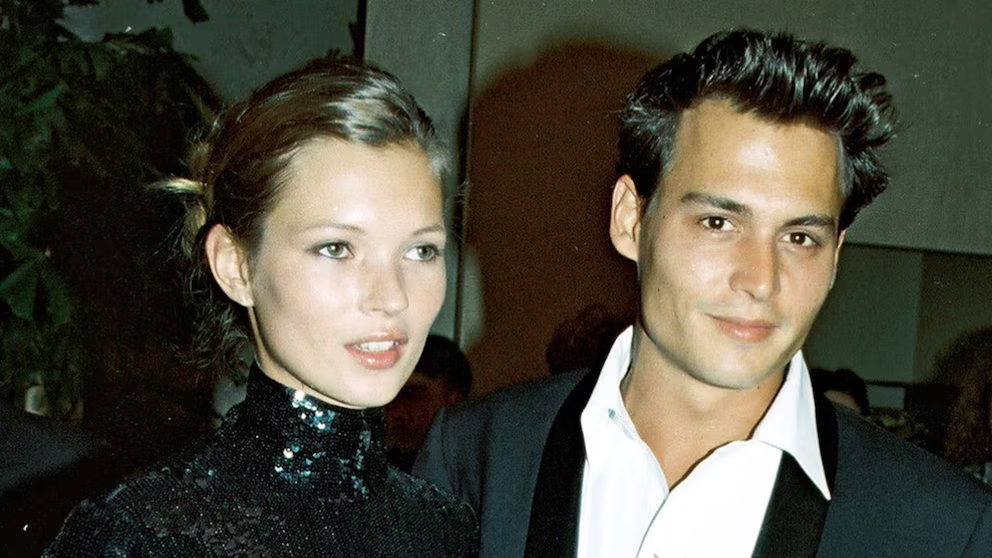
New recollections reveal intimate moments behind a Hollywood romance.
New York, United States
A newly published biography of Johnny Depp is bringing fresh attention to his relationship with British supermodel Kate Moss, revealing personal moments from one of the most closely followed celebrity romances of the 1990s. Written by journalist Mark Seal, The Many Faces of Johnny Depp revisits the couple’s relationship between 1994 and 1998 through accounts from people connected to their lives. Released by Gallery Books on November 24, the biography explores how their personal relationship intersected with the worlds of cinema, fashion and music. Its revelations offer a retrospective perspective rather than evidence of any renewed romantic involvement.
According to journalist George Wayne, a former contributor to Vanity Fair, the couple first met in February 1994 at Café Tabac, a fashionable New York nightclub frequented by prominent entertainment figures. Wayne recalls that Moss arrived with fellow supermodel Naomi Campbell while Depp was spending the evening with friends. Recognising an opportunity to introduce them, he approached Moss and brought her to the actor’s table. The encounter marked the beginning of a relationship that would attract international media attention for the following four years.
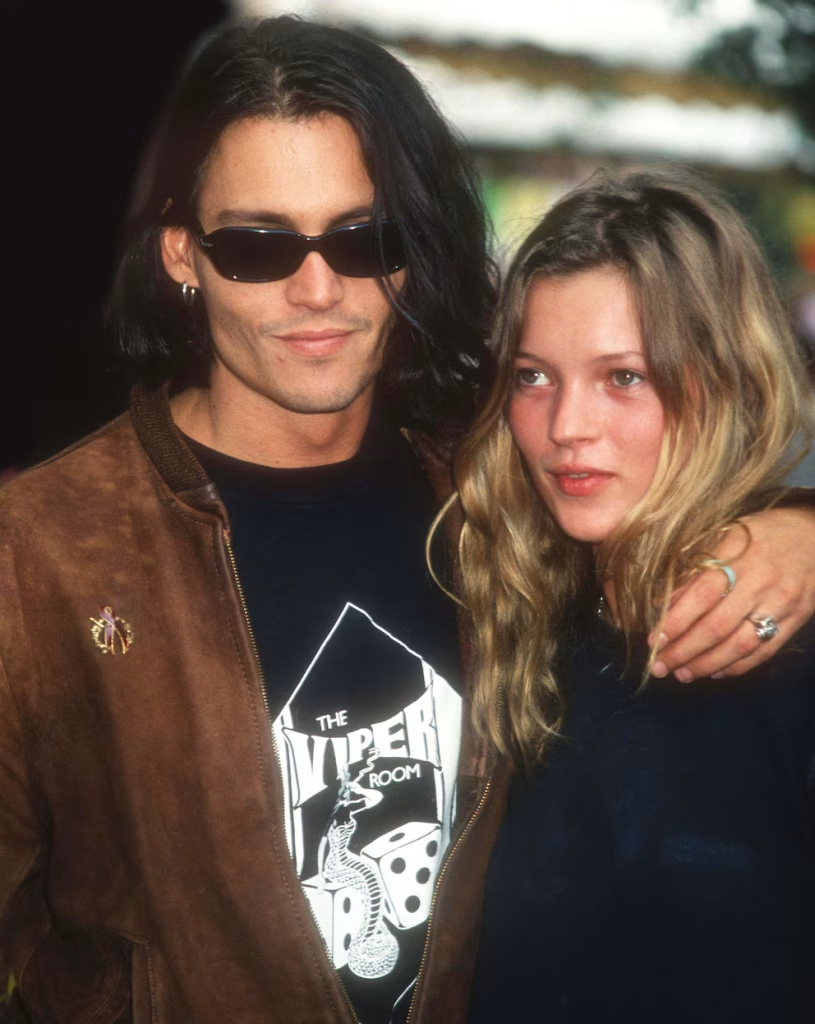
One of the biography’s most personal episodes concerns the elaborate surprise party Depp organised for Moss’s 21st birthday at the Viper Room, his Los Angeles nightclub. Friends and relatives deliberately avoided acknowledging the occasion throughout the day, allowing the actor to create the impression that her birthday had been forgotten. When Moss arrived, she discovered a celebration attended by family members and prominent personalities, including Michael Hutchence, Christy Turlington and fashion designer John Galliano. Singer Gloria Gaynor performed I Will Survive, contributing to an occasion Moss later remembered as emotionally overwhelming.
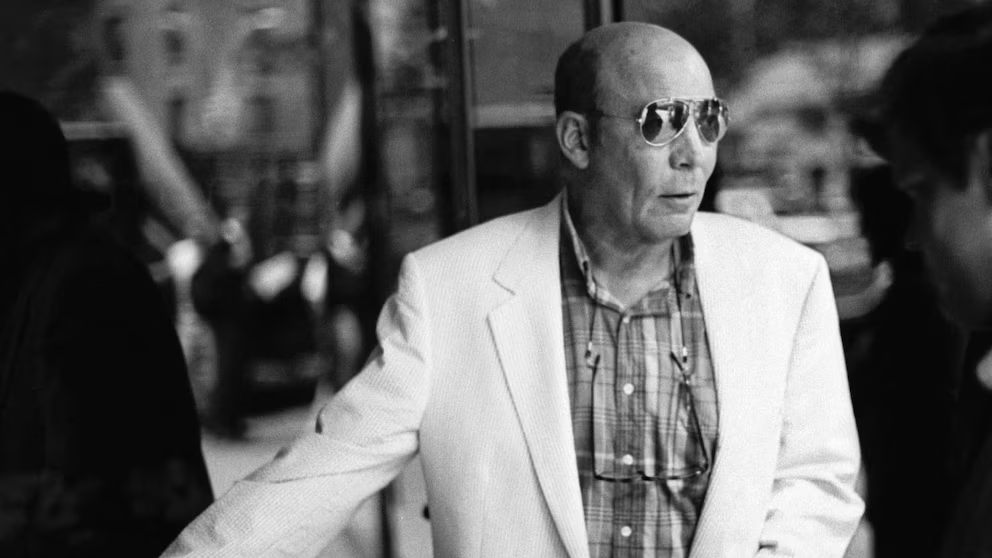
The biography also credits Moss with facilitating a meeting that would influence Depp’s artistic development. During a visit to Aspen, Colorado, she contacted nightclub owner Alan Finkelstein, who knew American writer Hunter S. Thompson. Finkelstein arranged an introduction at Woody Creek Tavern, near Thompson’s home, beginning a friendship that became important to Depp’s personal and professional life. The actor subsequently starred in Fear and Loathing in Las Vegas in 1998 and The Rum Diary in 2011, both adaptations of Thompson’s literary work.
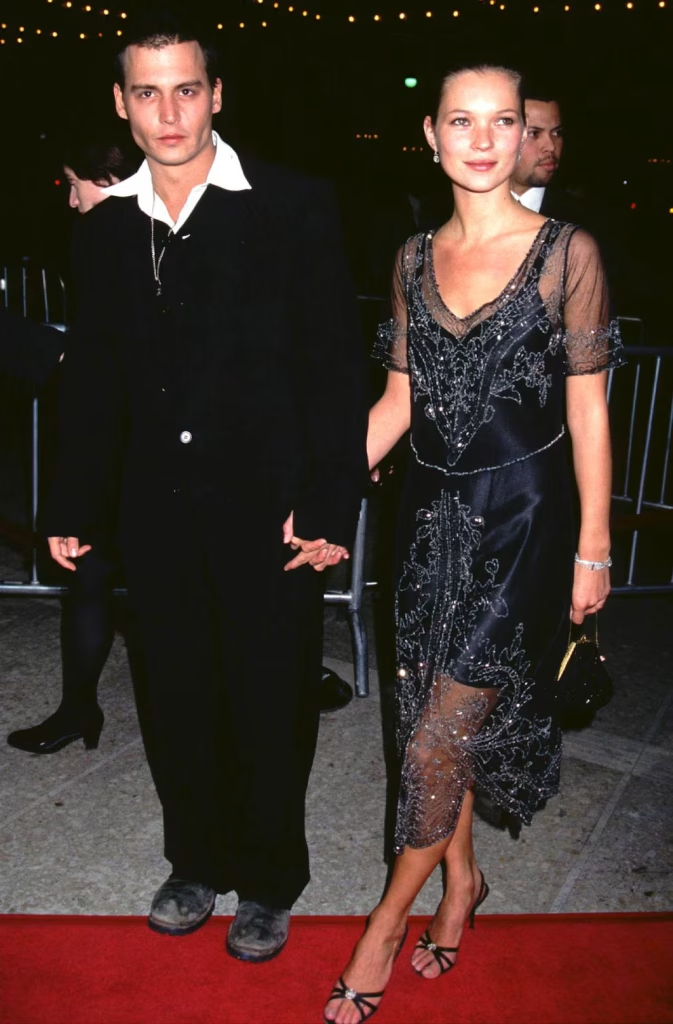
Their relationship unfolded during a period of significant professional transformation. Moss was consolidating her international reputation as one of fashion’s most recognisable figures, while Depp was building a career defined by unconventional roles and collaborations with distinctive filmmakers. Their public appearances attracted considerable fascination, although reports of turbulent episodes also became part of the media narrative surrounding the couple. The biography revisits those experiences through individual recollections, which should be distinguished from independently established accounts of every private incident.
By 1998, their relationship had ended, although they appeared together at the Cannes Film Festival premiere of Fear and Loathing in Las Vegas. Depp subsequently confirmed their separation publicly. Their continued association in popular culture demonstrates how certain celebrity relationships become closely connected to the artistic and social identity of a particular era.
Seal’s biography also highlights the limitations of reconstructing private relationships through memories recorded decades after the events. Personal testimony can reveal overlooked details, but it remains shaped by individual perspectives and the passage of time. That distinction is particularly important when celebrity experiences are retold for audiences accustomed to treating publicity and private reality as interchangeable.

More than three decades after their first meeting, the relationship between Depp and Moss continues to attract attention because it connects two influential figures whose careers helped define the cultural landscape of the 1990s. The newly published biography offers another perspective on that history, illustrating how personal relationships can influence artistic careers and remain part of public memory long after they end.
Behind Every Fact, a Deeper Story.