

 Phoenix 24
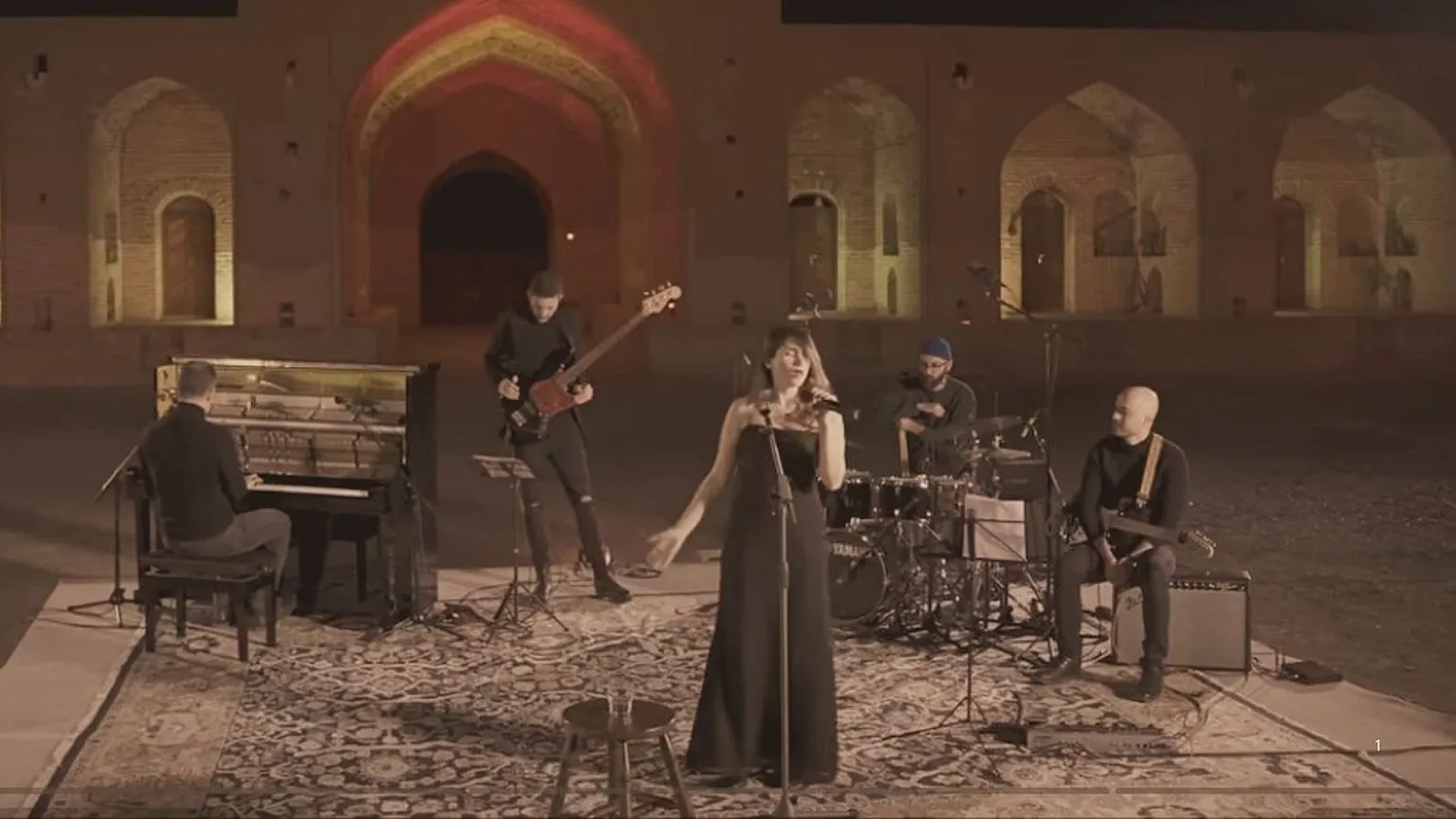
A musical performance becomes a confrontation over fundamental freedoms.
TEHRAN
Iranian authorities have carried out a sentence of 74 lashes against singer Parastoo Ahmadi and four members of her concert team following an online performance in which she appeared without the mandatory hijab. The punishment was administered in the religious city of Qom, according to her lawyer, Mostafa Nili, and has renewed international criticism of restrictions on women’s artistic expression and the use of corporal punishment in Iran.
The case originated from a concert recorded at the historic Deyr Gachin caravanserai near Qom in December 2024. Ahmadi performed alongside male musicians without wearing a headscarf, despite Iranian regulations governing women’s public appearance and musical performances. The concert took place without a physical audience but was broadcast on YouTube, where it attracted millions of views and widespread attention.
According to Nili, the flogging sentences were executed against Ahmadi, musicians Sohail Faghih-Nasiri, Amin Taheri and Amirali Pirnia, and concert organizer Mohsen Lashkari. The five were among nine people convicted in connection with the performance. The broader judicial decision also imposed two-year restrictions on artistic activities and international travel.
The criminal proceedings centered on accusations of violating public decency through the production and online distribution of material deemed immoral by Iranian authorities. The historic venue where the concert took place was also closed following the case. These measures illustrate how restrictions on artistic expression can extend beyond individual performers to affect production teams and cultural institutions.
Amnesty International had previously urged Iranian authorities to overturn the sentences, condemning flogging as cruel, inhuman and degrading punishment prohibited under international human rights standards. The organization also called for an end to compulsory hijab enforcement and the criminalization of peaceful expression.
Ahmadi’s performance carried particular significance within Iran’s cultural environment. Women face longstanding restrictions on solo public singing before mixed audiences, even though the country’s penal legislation does not explicitly establish a general offense of female singing. Authorities have instead relied on morality-related provisions and regulations governing public conduct to prosecute certain performances.
The singer had previously participated in expressions of solidarity with the Woman, Life, Freedom movement, which emerged following the death of Mahsa Amini in police custody in September 2022. The movement challenged compulsory dress requirements and broader restrictions on women’s rights, prompting extensive demonstrations and a severe security response.
The punishment has also raised questions about the consistency of enforcement. Images of women appearing without headscarves at certain pro-government gatherings have circulated publicly, contrasting with the severe penalties imposed on Ahmadi and her colleagues. Such differences have intensified criticism of how authorities apply restrictions on women’s appearance and public participation.
Beyond the immediate judicial consequences, the case highlights the relationship between cultural expression, state authority and individual autonomy. Digital platforms have enabled Iranian artists to reach audiences beyond traditional performance venues, but online visibility has also exposed them to prosecution under domestic regulations.
Ahmadi’s case illustrates how artistic expression can become a contested space when cultural practices, legal restrictions and fundamental rights intersect. The international response now places renewed attention on Iran’s use of corporal punishment and the continuing struggle over women’s freedom to participate in public cultural life.
Beyond the Headlines, Accountability Matters.