

 Phoenix 24
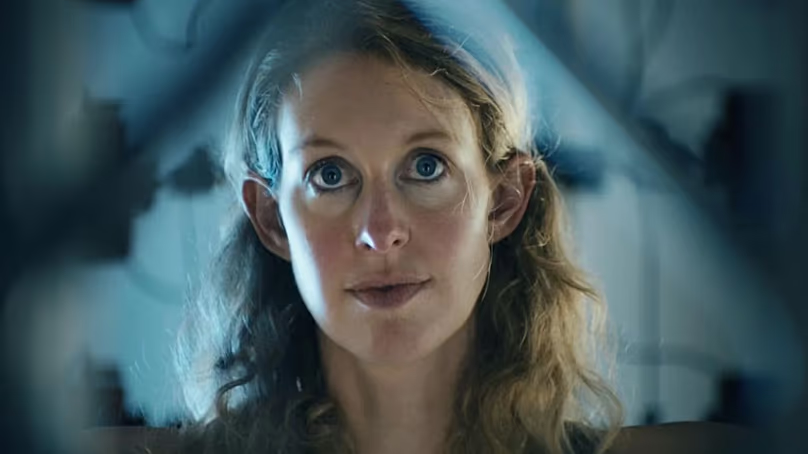
There is more to visibility than meets the eye.
NEW YORK
The documentary You Can See Everything has emerged as one of the most discussed films of 2026, drawing critical acclaim and substantial box-office attention as its theatrical release expands across Europe. Directed by Nathan Fielder and Lance Oppenheim, the A24 production revisits the extraordinary downfall of Theranos founder Elizabeth Holmes through an unconventional exploration of truth, manipulation and public image. What initially appears to be an intimate documentary about a convicted entrepreneur gradually becomes a more unsettling examination of who controls the stories audiences are encouraged to believe.
Holmes once represented the promise of Silicon Valley’s technological revolution. Her biotechnology company, Theranos, attracted extraordinary valuations by claiming that revolutionary blood-testing technology could perform numerous medical analyses using exceptionally small samples. Those claims eventually collapsed under scrutiny, and a federal jury convicted Holmes of defrauding investors in January 2022. She subsequently received a prison sentence of 11 years and three months, transforming a celebrated entrepreneurial success story into one of the most consequential corporate fraud cases of its generation.
The documentary begins 34 days before Holmes enters federal prison in May 2023, when she and her partner, Billy Evans, grant filmmakers access to their private lives. Instead of following the familiar structure of investigative documentaries, Fielder and Oppenheim develop a narrative in which the relationship between filmmaker and subject becomes increasingly complicated. Their approach repeatedly challenges the distinction between observation, performance and the deliberate construction of personal credibility.
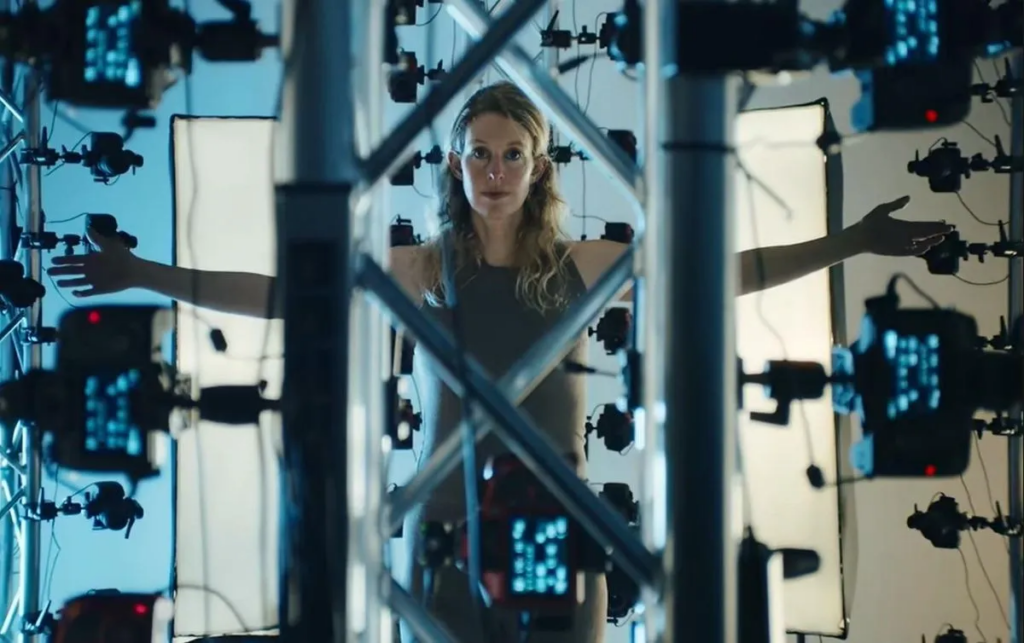
That uncertainty forms the film’s defining characteristic. Holmes attempts to present an account of herself that challenges her established public reputation, while the filmmakers scrutinize the contradictions between personal testimony and documented events. The resulting tension extends beyond an examination of individual responsibility, raising questions about how easily apparent authenticity can be manufactured in front of a camera.
Critical enthusiasm has been remarkable, although the film’s approach has also generated debate about the relationship between cinematic experimentation and objective truth. Some reviewers have described it as among the year’s finest achievements, while others have questioned whether its deliberate ambiguity risks weakening the distinction between evidence and spectacle. Such disagreement reflects the documentary’s unusual position between investigative cinema, psychological observation and self-conscious performance.
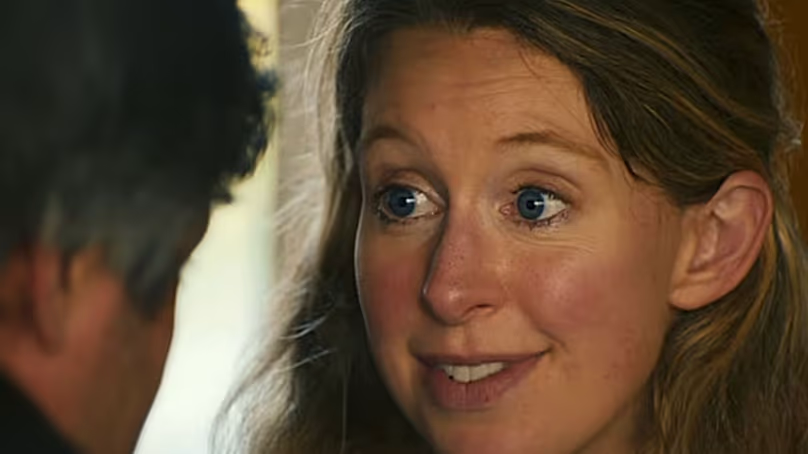
The commercial response has reinforced its cultural prominence. By mid-November, the documentary had accumulated approximately $89 million at the North American box office, according to figures reported by the Associated Press. Its recognition at documentary award ceremonies and continued critical attention have strengthened its standing within the year’s film conversation, although descriptions of it as the best film of 2026 remain critical judgments rather than a definitive industry distinction.
Beyond the immediate fascination surrounding Holmes, the film addresses a broader contemporary concern: the difficulty of distinguishing transparency from carefully managed visibility. In an era when entrepreneurs, institutions and public personalities increasingly construct their identities through curated images, documentary access does not necessarily guarantee a complete understanding of reality. The camera may record what people choose to reveal, but the meaning of those images remains open to interpretation.
Behind Every Fact, a Deeper Story.