

 Phoenix 24
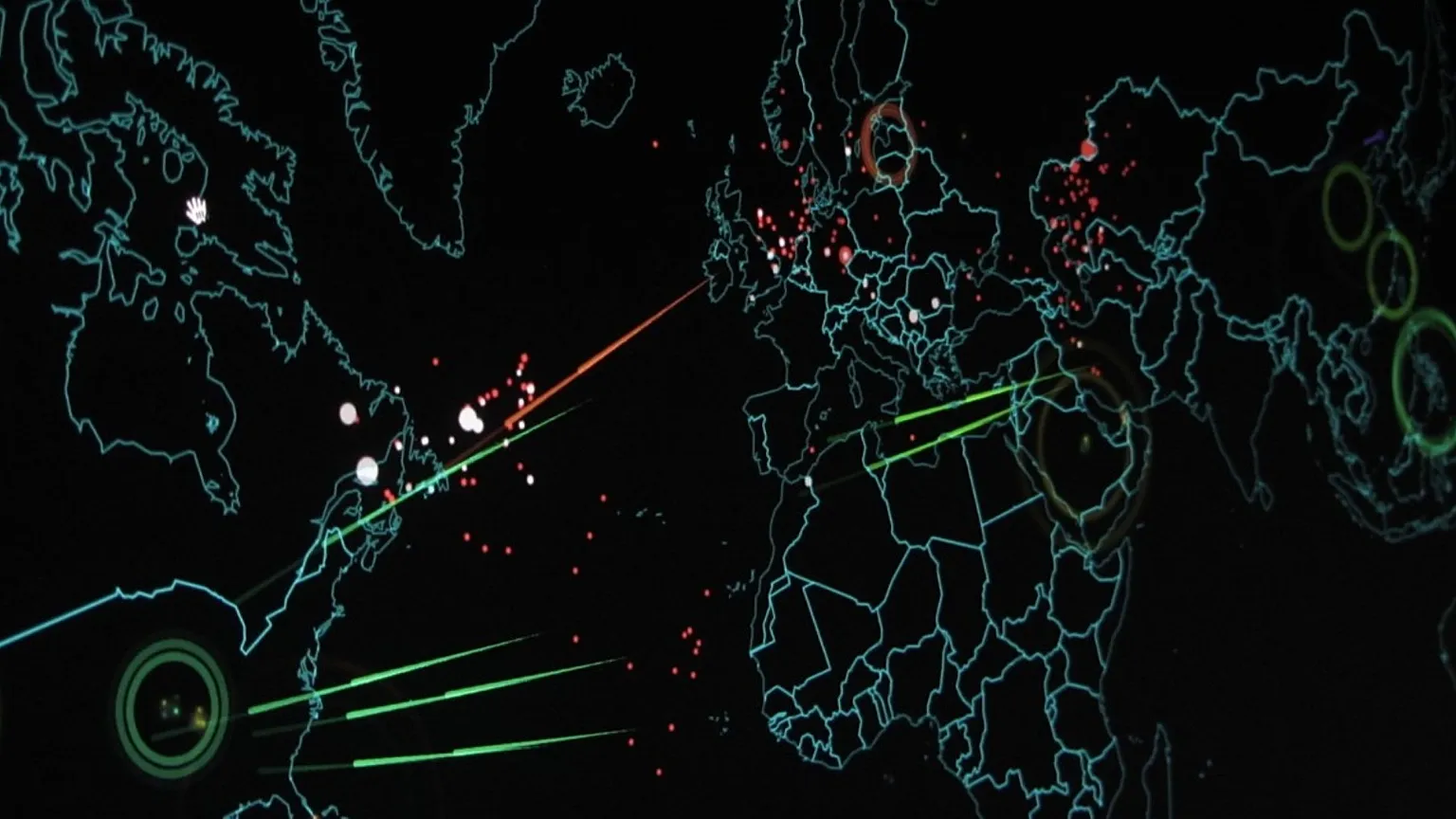
Democratic trust becomes a strategic target in digital warfare.
MADRID
Spain is strengthening its defenses against cyberattacks, foreign information manipulation and other hybrid threats ahead of its November 29 general election, as security specialists warn that democratic processes are increasingly vulnerable to coordinated interference. With less than a week remaining before voters elect a new parliament, authorities are concentrating on protecting electoral infrastructure, monitoring suspicious digital activity and preventing misleading narratives from undermining public confidence. The challenge extends beyond the possibility of technical disruption to a more complex concern: whether hostile actors can influence how citizens perceive political institutions and the credibility of election results.
The threat environment reflects a broader transformation in European security. Throughout 2026, intelligence agencies, cybersecurity specialists and independent researchers have documented incidents involving cyber operations, suspected sabotage and coordinated information campaigns targeting European institutions and public services. Such activities are commonly described as hybrid threats because they combine conventional and unconventional methods, often operating below the threshold of open military confrontation. Their strategic effectiveness may depend less on producing immediate physical damage than on creating uncertainty, exhausting institutional resources and weakening public trust.
Carlos Galán Cordero, a professor at Nebrija University and specialist in hybrid threats, told Euronews that Spain represents an attractive target for foreign actors seeking to influence political developments. He identified Russia as a prominent source of disinformation operations while emphasizing that hybrid interference cannot be attributed exclusively to a single country. Different governments and affiliated networks may employ distinct methods, ranging from coordinated online messaging to the exploitation of existing political disagreements. Nevertheless, identifying a potential strategic interest is not equivalent to demonstrating responsibility for a specific operation.
One of the clearest examples emerged in November when the digital investigation collective Antibot4Navalny identified activity associated with Operation Matryoshka, a Russian-linked disinformation network targeting Spain’s electoral environment. Independent fact-checking organization Maldita.es documented fabricated videos and misleading publications that imitated the presentation of established media organizations, including El País, El Mundo and international news outlets. The material promoted narratives concerning housing insecurity, economic instability, European fragmentation and opposition to financial support for Ukraine.
These campaigns illustrate an increasingly sophisticated approach to information manipulation. Rather than creating entirely unfamiliar narratives, coordinated networks often exploit legitimate public concerns and combine them with fabricated evidence or misleading attribution. Housing affordability, government accountability and foreign policy are appropriate subjects of democratic debate, but false reports presented as authentic journalism can distort the information citizens use to evaluate competing political proposals. The objective may be to discourage participation, deepen polarization or generate suspicion about the legitimacy of the electoral process.
The distinction between documented manipulation and its actual influence remains essential. The identification of coordinated disinformation does not establish that voters have changed their preferences or that electoral outcomes have been compromised. Researchers must assess distribution patterns, audience exposure, authenticity and measurable effects before drawing conclusions about the success of an influence operation. Some campaigns identified by Spanish fact-checkers have achieved limited circulation, illustrating that detection and public verification can reduce their potential impact.
Spain’s preventive response involves the Department of National Security, the Ministry of the Interior, the National Cryptologic Centre and the National Cybersecurity Institute, known as INCIBE. Their responsibilities include monitoring digital threats, strengthening institutional systems and coordinating responses to incidents affecting essential services. Electoral information platforms and the technological systems supporting the transmission of preliminary results require particular attention, although an attack on an information website would not necessarily compromise the official vote count.
This distinction is fundamental to understanding electoral cybersecurity. Systems used to communicate provisional results, administrative databases and the legally established procedures for counting and certifying ballots perform different functions. A disruption affecting one component could create confusion or delay information without automatically altering votes. Clear communication about these differences can prevent technical incidents from becoming opportunities for exaggerated allegations of electoral fraud.
The European Union provides an additional layer of coordination through its Hybrid Toolbox, the Digital Services Act and legislation designed to improve the resilience of essential infrastructure. The NIS2 Directive establishes cybersecurity obligations for covered organizations, while the Critical Entities Resilience Directive addresses the ability of important services to withstand disruptive events. These frameworks complement national responsibilities rather than replacing the authority of individual member states over their elections.
Digital platforms also occupy a central position in the preventive strategy. Under the Digital Services Act, very large online platforms must assess and mitigate systemic risks, including risks affecting electoral processes, while respecting freedom of expression and access to information. The challenge is especially demanding when generative artificial intelligence can produce convincing fabricated videos, imitate recognizable voices and create misleading material at a scale that complicates conventional verification methods.
Independent fact-checking initiatives have expanded their monitoring activities ahead of the vote. Newtral introduced Radar FIMI, a project dedicated to tracking foreign information manipulation and interference, while Maldita.es has organized election-related claims and verified information through its electoral fact-checking resources. Their investigations provide an additional mechanism for identifying fabricated material, clarifying electoral procedures and distinguishing authentic information from coordinated manipulation.
Hybrid threats can also extend beyond online communication. European security specialists have expressed concern about incidents involving transportation systems, healthcare infrastructure and other essential services, where disruptions may generate public anxiety during politically sensitive periods. However, the existence of a cyberattack, infrastructure failure or public disturbance does not by itself establish foreign interference. Attribution requires technical evidence, investigative findings and careful differentiation between criminal activity, operational failures and deliberately coordinated geopolitical operations.
The central challenge for Spain is therefore both technological and institutional. Protecting networks and responding quickly to suspicious activity remain essential, but cybersecurity alone cannot preserve democratic confidence when citizens encounter competing claims about the legitimacy of an election. Transparent procedures, accessible official information, independent journalism and credible institutional communication form complementary defenses against manipulation.
As Spain approaches November 29, the most consequential question may not be whether hostile actors attempt to interfere, but whether democratic institutions can prevent those attempts from distorting public understanding. A resilient electoral system must protect the integrity of voting while allowing political disagreement, scrutiny and criticism to remain legitimate parts of democratic life.
The integrity of an election depends not only on accurately counting ballots, but also on preserving the conditions under which citizens can make informed decisions and evaluate the outcome. Spain’s experience illustrates a broader challenge for contemporary democracies: defending electoral freedom without confusing legitimate dissent with foreign manipulation or allowing the fear of interference to become another instrument of political division.
When Evidence Speaks, Narratives Change.