

 Phoenix 24
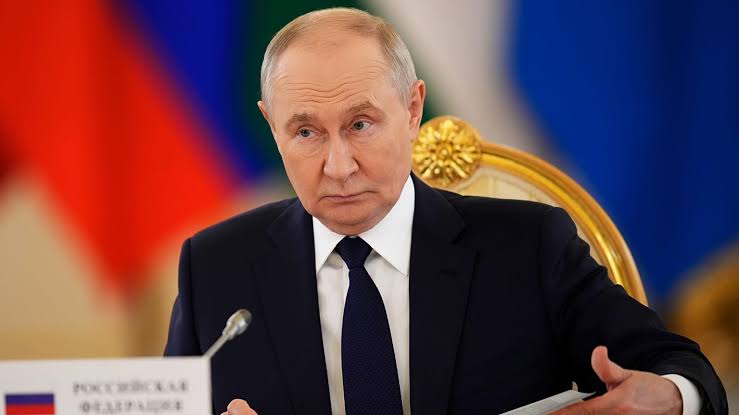
Brussels expands economic pressure into new areas of confrontation.
BRUSSELS
The European Commission has proposed its 22nd package of sanctions against Russia, introducing extensive restrictions targeting financial institutions, cryptocurrency networks, energy infrastructure, maritime transportation and international sports. Announced by Commission President Ursula von der Leyen on November 23, 2026, the measures are intended to weaken Moscow’s capacity to finance its war in Ukraine while increasing pressure for a negotiated settlement. The proposal also expands the European Union’s response into cultural participation and security policy, reflecting a broader strategy of economic and diplomatic isolation.
The financial measures would extend transaction restrictions to approximately 60 additional Russian banks and remove them from the SWIFT international financial messaging network. Brussels also intends to target cryptocurrency platforms and payment systems allegedly facilitating the circumvention of existing restrictions. A newly established Crypto Sanctions Task Force would coordinate enforcement efforts, including scrutiny of financial networks operating through third countries. The initiative reflects growing concern that alternative payment mechanisms may undermine the effectiveness of conventional banking sanctions.
Energy infrastructure represents another central component. European companies would be prohibited from providing services supporting the construction, operation or repair of Russian energy facilities, particularly oil refineries damaged during Ukrainian long-range attacks. The restrictions would also extend to electricity-related services, widening the scope of measures intended to constrain Russia’s energy sector. However, their actual economic impact will depend on the availability of alternative suppliers and the ability of European authorities to enforce the prohibitions.
The proposal additionally targets more than 70 vessels associated with Russia’s so-called shadow fleet, a network of tankers used to transport oil despite international restrictions. Brussels is also proposing a ban affecting tankers insured in Russia, seeking to strengthen controls over maritime operations and associated financial arrangements. More than 670 vessels have already been subjected to European restrictions, reflecting concerns about sanctions evasion, inadequate insurance coverage and environmental risks associated with aging commercial ships.
Beyond economic pressure, the Commission wants to prevent Russian military personnel who have participated in the invasion of Ukraine from entering European Union territory. Earlier attempts to introduce comparable restrictions encountered objections from France and Italy over administrative requirements and legal responsibilities. Renewed security concerns involving suspected Russian-linked activities across Europe have strengthened arguments for reconsidering the measure. Nevertheless, the proposed entry restrictions remain subject to negotiations among member states.
A particularly significant development involves international sports and cultural institutions. The Commission proposes preventing Russian teams and athletes from competing under their national flag at sporting events within the European Union, alongside restrictions on official Russian symbols. Additional measures would limit financial contributions from Russian sponsors to European sporting and cultural organizations and restrict Russian representation in the governing bodies of European-based sports federations.
These proposals introduce questions extending beyond conventional economic sanctions. Sporting institutions have historically sought to preserve a degree of independence from political conflict, although international competitions have repeatedly become arenas for diplomatic confrontation. The latest measures reflect Brussels’ position that public events should not provide opportunities for state-sponsored political messaging. Their implementation would require coordination with sporting organizations and careful consideration of applicable institutional and legal frameworks.
Not every proposed restriction survived the Commission’s internal deliberations. Alumina, a material essential to aluminum production, was excluded despite controversy surrounding an Irish refinery with commercial connections to Russia. An Irish government investigation had not established whether alumina produced in the country was directly connected to Russian weapons manufacturing. The omission illustrates the economic and political compromises that can shape sanctions policy even when member states broadly support maintaining pressure on Moscow.
The package also arrives during renewed international discussions about a possible diplomatic settlement to the war. Ukrainian President Volodymyr Zelenskyy has called for stronger export controls targeting components used in Russian missiles and drones, arguing that effective enforcement could restrict weapons production. European officials maintain that financial pressure and diplomatic engagement can operate simultaneously, although Moscow has not committed to the proposed multilateral negotiating framework.
The Commission hopes to secure approval before the December holiday period, but the measures cannot enter into force without agreement among all 27 European Union member states. Their final provisions may therefore change during negotiations, particularly where national economic interests, legal considerations and security priorities diverge.
For Europe, the broader challenge involves demonstrating that successive sanctions can produce measurable strategic effects without creating disproportionate economic or institutional consequences within the Union itself. Restricting access to financial services, energy technologies and international platforms may increase pressure on Russia, but these measures do not independently guarantee changes in military strategy or diplomatic behavior.
The proposed sanctions represent another stage in Europe’s attempt to connect economic leverage, security policy and international accountability. Whether the 22nd package strengthens the Union’s influence will depend on political agreement, coordinated enforcement and the extent to which restrictions translate into meaningful pressure on Moscow’s decisions.
Beyond the Headlines, Accountability Matters.