

 Phoenix 24
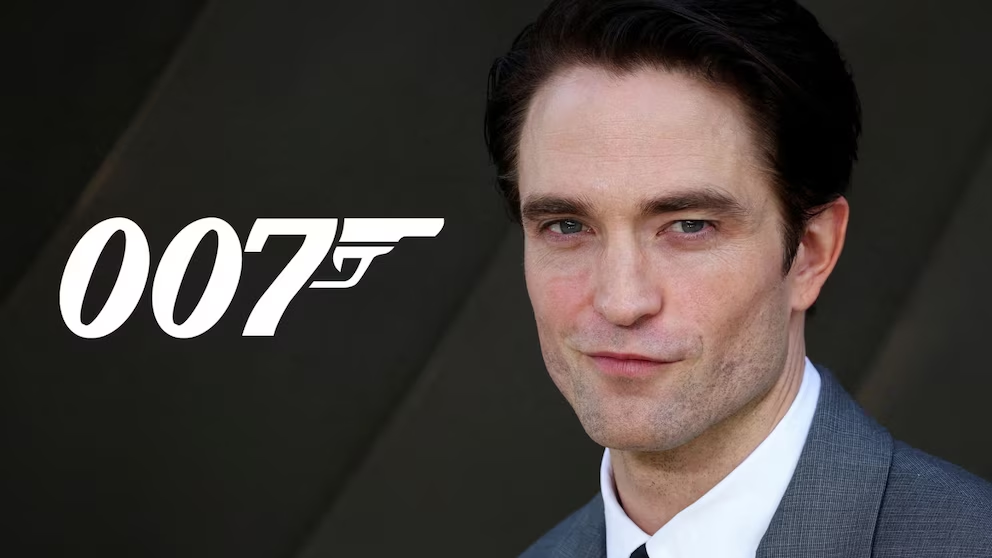
Hollywood’s most enduring spy prepares for an unconventional transformation.
LONDON
Robert Pattinson’s appointment as the next James Bond represents more than a change of leading actor in one of cinema’s most recognizable franchises. The 40-year-old British performer, whose career has moved from the global phenomenon of Twilight to psychologically complex independent films and major Hollywood productions, will succeed Daniel Craig in the 26th official Bond film. Confirmed by Amazon MGM Studios on November 16, the decision places Pattinson at the center of an ambitious creative transformation involving director Denis Villeneuve and screenwriter Steven Knight, the creator of Peaky Blinders.
The announcement follows an unusually competitive selection process in which five finalists underwent extensive screen tests involving costumes, constructed sets and performances alongside other actors. Amazon founder Jeff Bezos, who acknowledged his direct involvement in the casting process, explained that the decision was reached only three days before the public announcement. According to his account, Pattinson’s established celebrity initially created hesitation among those considering the candidates, but his performance ultimately convinced the selection team that he was the appropriate successor to Craig.
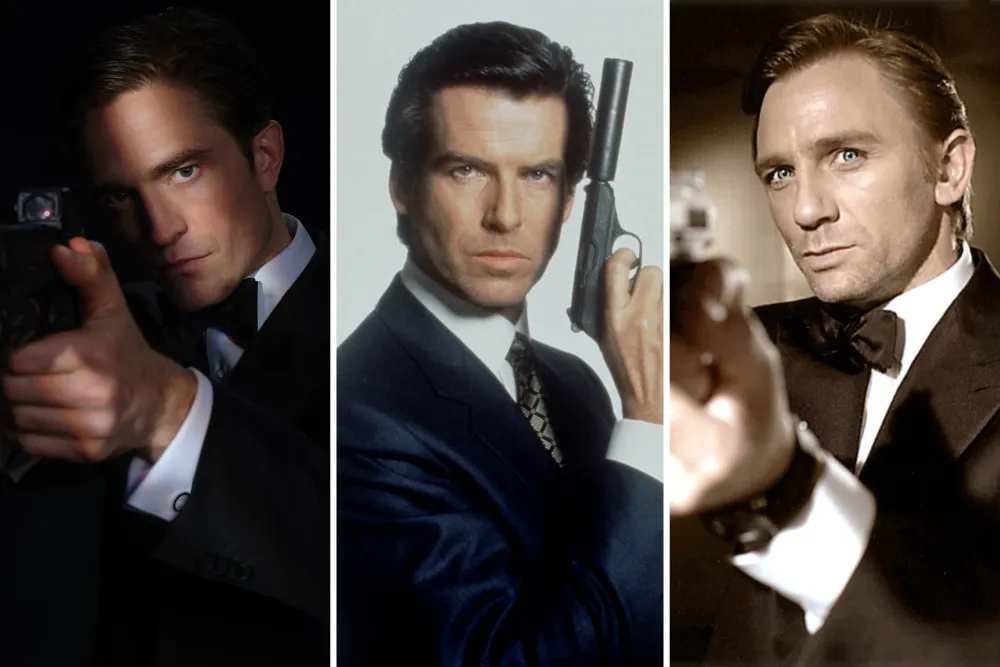
The choice is particularly significant because Pattinson has spent much of his career resisting the predictable trajectory of conventional Hollywood stardom. After achieving international recognition as Edward Cullen in the Twilightfranchise, he deliberately pursued collaborations with directors whose films challenged traditional expectations of leading men. His performances in David Cronenberg’s Cosmopolis, the Safdie brothers’ Good Time and Robert Eggers’ The Lighthouse revealed a willingness to portray unstable, morally ambiguous and psychologically vulnerable characters.
That artistic trajectory could prove important in redefining James Bond. Although the character has traditionally been associated with elegance, physical confidence and emotional restraint, the franchise has repeatedly adapted its interpretation of masculinity to changing cultural expectations. Pattinson’s experience portraying characters who combine outward composure with internal conflict offers possibilities for a different psychological dimension, although the direction of the new film remains undisclosed.
Daniel Craig’s five-film tenure established a particularly demanding precedent. Beginning with Casino Royale in 2006 and concluding with No Time to Die in 2021, his interpretation emphasized physical vulnerability, emotional consequences and the psychological costs of espionage. Craig transformed Bond into a character whose professional efficiency existed alongside personal trauma and difficult moral choices. Any successor must therefore confront expectations shaped by a version of 007 that evolved considerably beyond the emotional detachment associated with earlier portrayals.
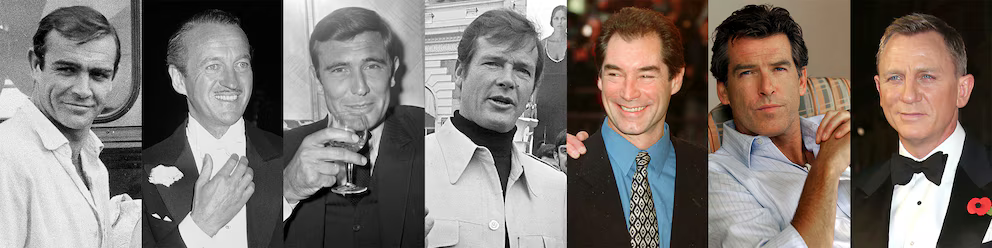
Pattinson’s casting has already generated contrasting interpretations among film critics. Ben Roberts, chief executive of the British Film Institute, has highlighted the actor’s distinctive intensity and emotionally troubled screen presence as qualities that could influence his interpretation. Other commentators have suggested that his appearance and understated sophistication might bring the franchise closer to the elegance associated with Pierce Brosnan, while allowing room for the unpredictability demonstrated throughout Pattinson’s independent film career.
The participation of Denis Villeneuve introduces another creative dimension. Known for Arrival, Blade Runner 2049and the Dune films, the Canadian director has built his reputation through visually sophisticated productions involving power, identity, political conflict and psychological tension. His filmmaking approach suggests opportunities to explore the intelligence officer’s internal world alongside the international intrigue and elaborate action sequences traditionally associated with the franchise.
Steven Knight’s involvement further strengthens expectations of a potentially different narrative style. As creator of Peaky Blinders, Knight has demonstrated an ability to develop morally complicated protagonists operating within environments shaped by violence, loyalty and institutional power. His screenplay could introduce greater narrative ambiguity into Bond’s professional and personal relationships, although no official plot details have been released. The eventual balance between established franchise conventions and creative experimentation remains an open question.
The production also represents a structural transformation in the business of James Bond. Amazon MGM Studios assumed creative control of the franchise in 2025 through an agreement involving longtime custodians Barbara Broccoli and Michael G. Wilson. Producers Amy Pascal and David Heyman are now responsible for guiding the next installment, with Tanya Lapointe serving as executive producer. Their involvement brings extensive experience in international blockbuster filmmaking at a time when the franchise faces intense competition for global audiences.
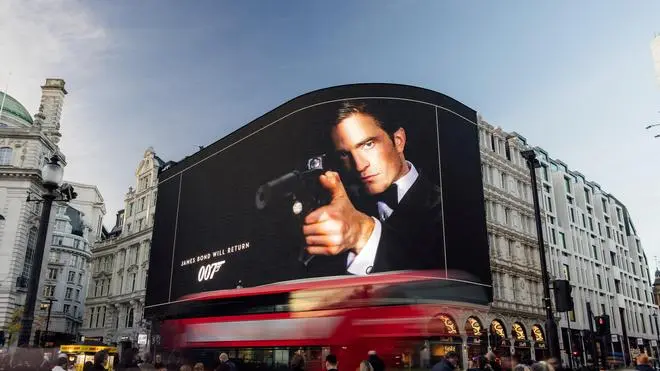
Commercial expectations are substantial. James Bond has remained a recognizable cinematic property for more than six decades, generating international revenue through theatrical releases, licensing and associated commercial partnerships. For Amazon MGM Studios, the challenge involves maintaining that established cultural value while introducing a creative identity capable of attracting younger audiences. Excessive dependence on familiar formulas could limit artistic renewal, while abandoning the character’s recognizable qualities could alienate longtime supporters.
The next film has not received an official title or release date, and the supporting cast and storyline remain undisclosed. These uncertainties make predictions about Pattinson’s interpretation necessarily provisional, despite the considerable attention surrounding the announcement. His established artistic range provides reasons for interest, but the success of the new Bond will depend on the completed film rather than the reputation of its creative team alone.
Pattinson’s transition from portraying a supernatural romantic figure to embodying Batman and now James Bond illustrates an unusually diverse career within contemporary popular cinema. His selection suggests that the future of 007 may depend less on reproducing the qualities of previous actors and more on finding a new relationship between sophistication, vulnerability and unpredictability. The challenge will be preserving the character’s enduring identity while demonstrating that even cinema’s most familiar secret agent can continue evolving.
The Story Continues Beyond the Headlines.