

 Phoenix 24
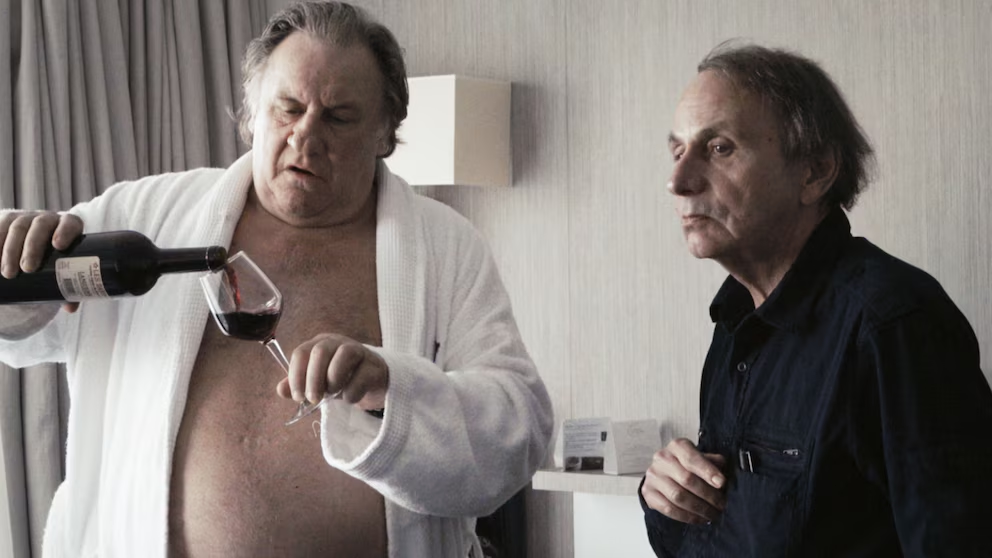
Fresh allegations place two French cultural figures under judicial scrutiny.
PARIS
French authorities have opened a judicial investigation into allegations of rape and sexual assault involving acclaimed actor Gérard Depardieu and internationally recognized novelist Michel Houellebecq. The inquiry follows a complaint filed by an actress concerning events she alleges occurred during the filming of Thalasso in December 2018. The Paris prosecutor’s office confirmed that proceedings remain underway, placing two prominent figures in French cultural life at the center of another significant legal controversy.
The investigation originated from a complaint filed on May 13, 2025, by an actress and dancer whose identity has been protected in media coverage through the pseudonym Alexandra. According to investigative reporting by Mediapart, the woman alleges that she experienced sexual violence during a scene filmed on December 11, 2018, at a thalassotherapy establishment in Cabourg, Normandy. The account was subsequently corroborated as the subject of an active judicial inquiry by sources speaking to Agence France-Presse.
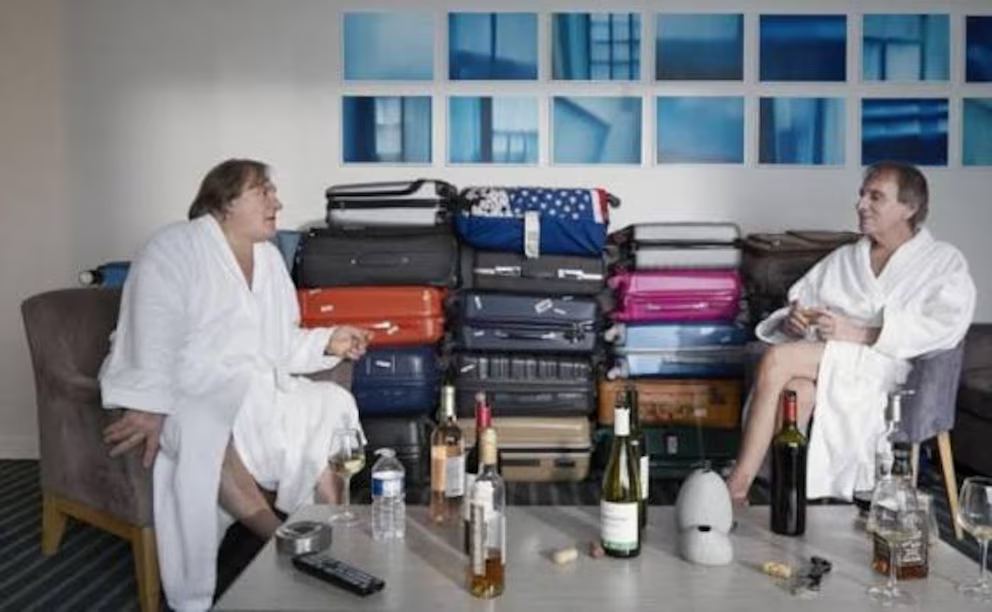
The allegations distinguish between the alleged conduct of the individuals involved. Depardieu is accused of rape and sexual assault involving multiple participants, while Houellebecq faces allegations of sexual assault and complicity in rape. Film director Guillaume Nicloux has also been named in the complaint, with accusations involving complicity and the recording of intimate images allegedly violating the complainant’s privacy. These remain allegations under investigation, and none of the three men has been found guilty in connection with this case.
Nicloux told Mediapart that he had not observed signs of coercion during filming, although he subsequently apologized to the complainant. Lawyers representing Depardieu did not respond to requests for comment from journalists covering the allegations, while Houellebecq did not provide a public response through his publisher. The complainant’s legal representative also declined to comment when contacted by AFP.
The judicial development arrives during an especially consequential period for Depardieu, one of France’s most internationally recognized actors. On November 16, he withdrew his appeal against a separate conviction for sexually assaulting two women during production of the 2022 film Les Volets Verts. That decision left standing an 18-month suspended prison sentence imposed in May 2025, alongside other judicial measures. In a written statement, the actor acknowledged the court’s judgment and apologized to those harmed by his conduct.
The earlier conviction is legally distinct from the newly reported allegations. Depardieu also faces separate proceedings involving actress Charlotte Arnould, who accused him of rape and sexual assault in 2018. An appeals court is expected to determine whether that case will proceed to trial, further complicating the actor’s legal circumstances without establishing the outcome of any unresolved accusations.
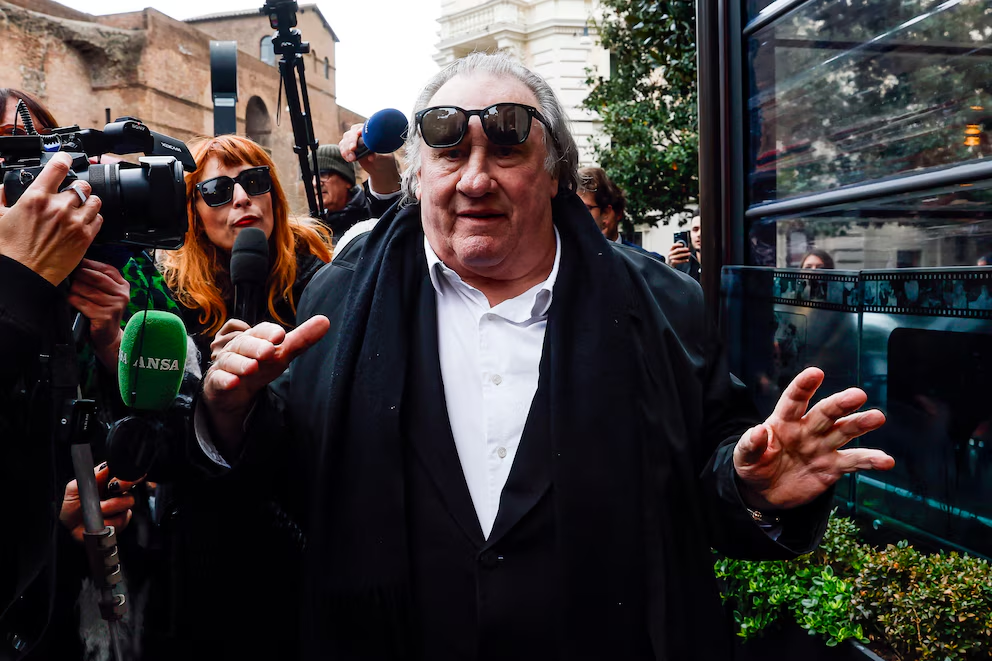
Houellebecq’s involvement has generated particular attention because of his prominence in contemporary French literature. Known for novels including Atomised and The Map and the Territory, which received the Prix Goncourt in 2010, the writer has long attracted both literary recognition and controversy. His appearance alongside Depardieu in Thalasso, released in 2019, forms the professional context within which the alleged events are being examined.
Beyond the individual reputations involved, the investigation raises questions about professional boundaries, consent and accountability in film production. Performing a fictional scene does not remove the importance of personal autonomy or the responsibility of production teams to maintain appropriate working conditions. Determining what occurred, however, requires the examination of testimony, available recordings and other evidence through established judicial procedures rather than conclusions drawn from public allegations alone.
The case also unfolds against a broader reassessment of sexual misconduct within the French entertainment industry. The country’s response to the #MeToo movement has intensified discussions about professional hierarchies, institutional protection and the difficulties people may encounter when reporting alleged abuse involving influential cultural figures. Such concerns provide important context, but they cannot substitute for the independent evaluation of evidence in an individual criminal investigation.
For French authorities, the immediate responsibility is to establish whether the allegations are supported by sufficient evidence and what legal consequences, if any, should follow. The investigation remains ongoing, and the presumption of innocence applies to those accused. Its eventual outcome will depend on judicial findings rather than public prominence, professional influence or the intensity of media attention.
Beyond the Headlines, Accountability Matters.