

 Phoenix 24
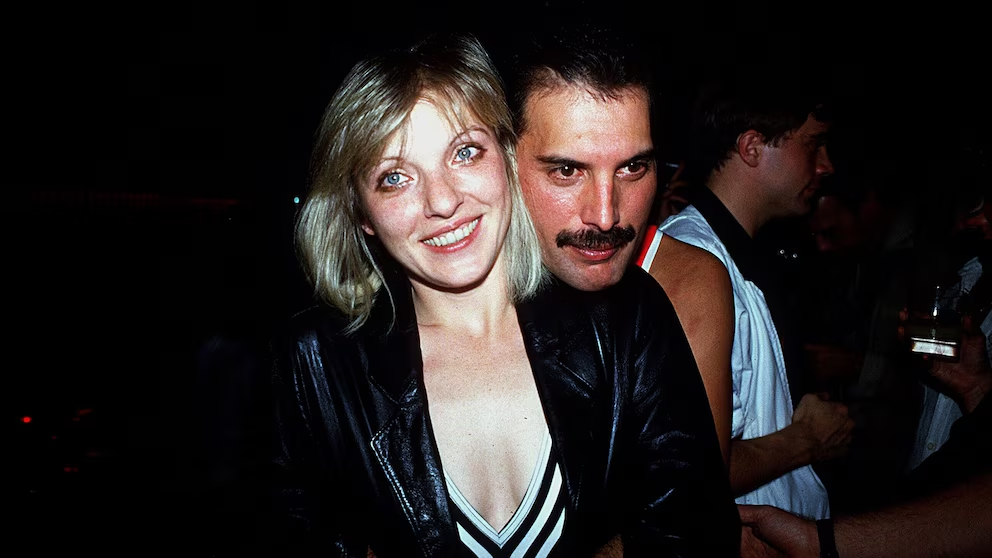
Their extraordinary bond survived romance, fame and loss.
LONDON
More than three decades after Freddie Mercury’s death, Mary Austin has offered an intimate reflection on a relationship that remained central to her life long after their romantic involvement ended. In a recent interview with The Telegraph, the 75-year-old former fiancée of Queen’s legendary frontman acknowledged that she had never experienced the same emotional connection with anyone else. Her reflections coincide with renewed celebrations of Mercury’s artistic legacy during the year marking what would have been his 80th birthday.
Austin’s story began in the early 1970s, before Queen became one of the most influential rock bands in music history. She was working at London’s Biba fashion boutique when she developed a relationship with the ambitious young musician, whose birth name was Farrokh Bulsara. Their romance eventually led to an engagement, but the relationship changed when Mercury disclosed his attraction to men. Although the revelation ended their plans for marriage, it did not destroy the emotional connection they had established.
What followed was an unconventional relationship that extended beyond the expectations of a former couple. Austin remained one of Mercury’s closest confidantes, providing emotional support and practical assistance as his international fame expanded. The singer publicly described her as his common-law wife, emphasizing a partnership grounded in mutual confidence rather than conventional romantic commitments. Their relationship demonstrated how affection and loyalty could survive significant changes in personal identity and expectations.

In interviews conducted during 2026, Austin has reflected on the emotional complexity of accepting a different future from the one she originally imagined. She explained that ending their engagement required relinquishing the possibility of marriage while discovering another form of companionship that became equally meaningful. Her recent admission that no subsequent relationship produced comparable feelings provides a rare personal perspective on a connection frequently romanticized in accounts of Mercury’s life.
That connection also forms an important part of Queen’s musical history. The 1975 composition Love of My Life has long been associated with Austin, although she has questioned the widespread assumption that the song was written specifically for her. In more recent interviews, she has identified Lily of the Valley as another composition connected to their relationship. Her recollections introduce greater complexity into the familiar narratives surrounding Mercury’s music, distinguishing popular interpretations from the memories of someone who knew him personally.
Austin remained close to the singer during his final illness. Mercury publicly disclosed his AIDS diagnosis on November 23, 1991, and died the following day at the age of 45. She later assumed responsibility for fulfilling several of his personal wishes, including maintaining the secrecy surrounding the location of his ashes. Mercury also entrusted her with Garden Lodge, his London residence, and a substantial portion of his estate, decisions that reflected the exceptional trust he placed in her.
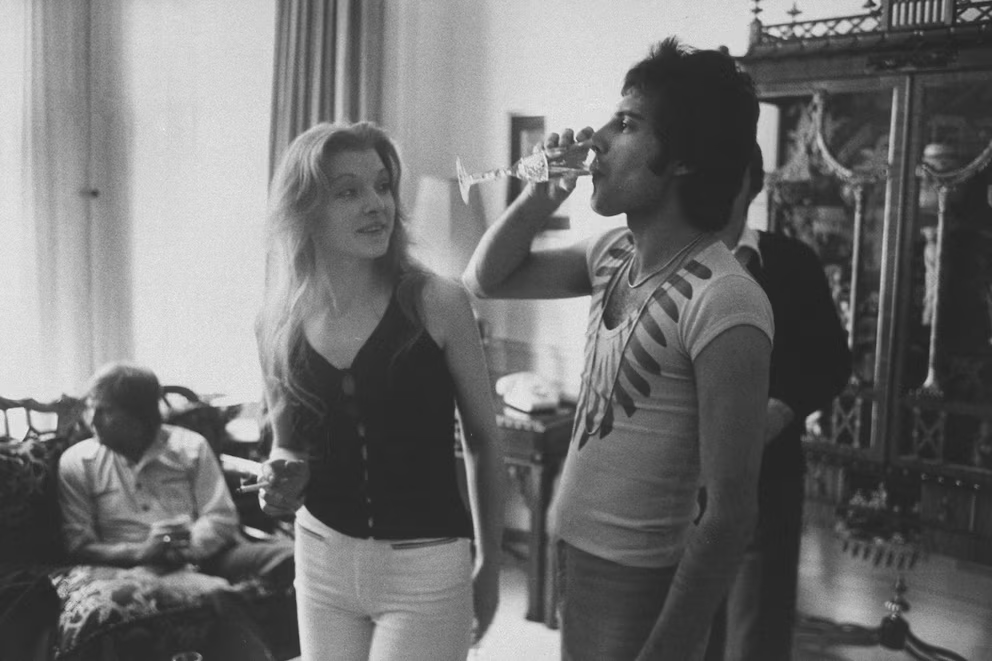
Her role as guardian of his legacy continues through cultural initiatives. Austin collaborated with London’s Victoria and Albert Museum on Freddie Mercury: Splendid Things, an exhibition featuring eight distinctive looks from the performer’s career. The display, which runs until January 17, 2027, includes costumes and accessories associated with Queen’s performances and music videos, offering audiences another perspective on Mercury’s theatrical creativity. Seven of the featured looks were loaned by Austin.
The publication of Freddie Mercury: A Life in Lyrics has further expanded public access to his creative process through handwritten material, photographs and Austin’s personal recollections. These projects mark a significant development for a woman who has consistently protected her privacy despite her enduring connection to one of music’s most recognizable personalities.
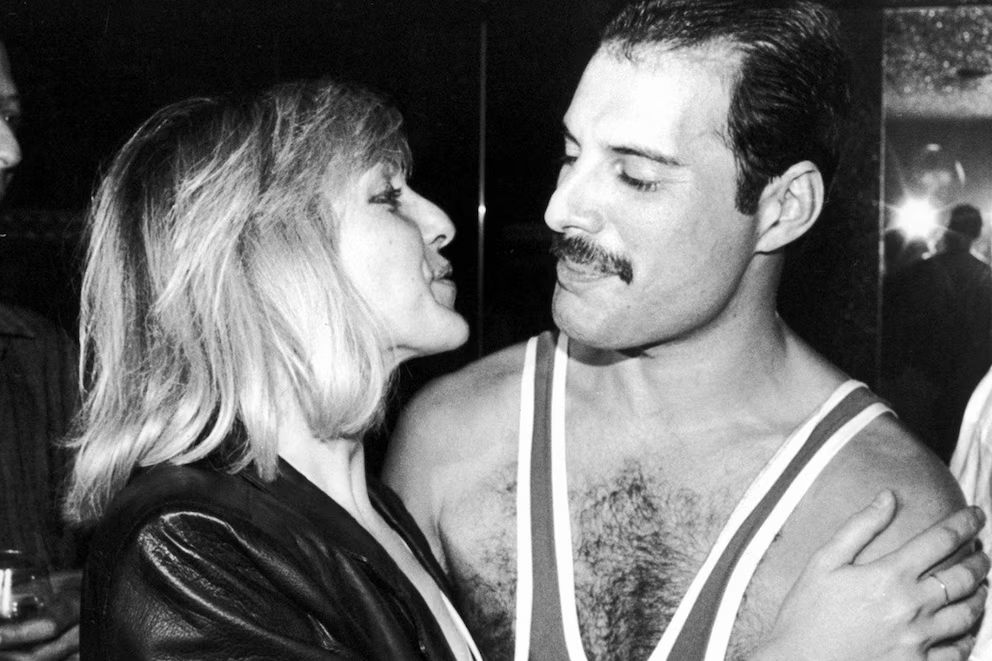
Nearly 35 years after Mercury’s death, Austin’s reflections illuminate a relationship that cannot be adequately understood through romance or inheritance alone. Her experience offers a more nuanced account of companionship, emotional commitment and the responsibilities that can endure after a loved one’s death. For millions who remember Mercury primarily through his extraordinary performances, her perspective reveals the deeply personal history behind an enduring musical legacy.
Behind Every Fact, a Deeper Story.