

 Phoenix 24
An unconventional workplace faces Wall Street’s ultimate test.
SAN FRANCISCO
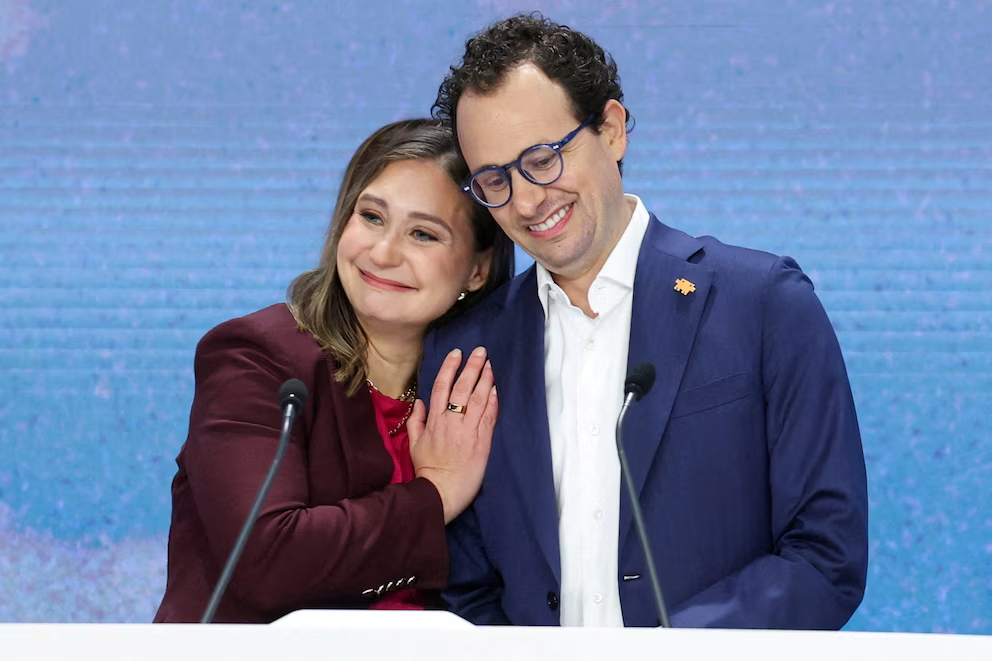
Anthropic’s transformation into a company valued at approximately $1.18 trillion has placed an unusual corporate experiment under unprecedented scrutiny. Following its historic stock market debut on November 19, the developer of the Claude artificial intelligence system has attracted attention not only for its extraordinary financial growth but also for the organizational philosophy established by siblings Dario and Daniela Amodei. Their approach challenges conventional Silicon Valley assumptions about leadership, employee loyalty and the relationship between commercial success and technological responsibility.
Founded in 2021 by seven former OpenAI employees, Anthropic emerged from disagreements about the development and governance of increasingly powerful artificial intelligence systems. Dario Amodei, the company’s chief executive, provides much of its scientific and strategic direction, while his younger sister Daniela, president and board chair, oversees organizational operations and corporate culture. Their complementary responsibilities have helped establish an institutional identity in which technical ambition operates alongside an explicit commitment to AI safety.
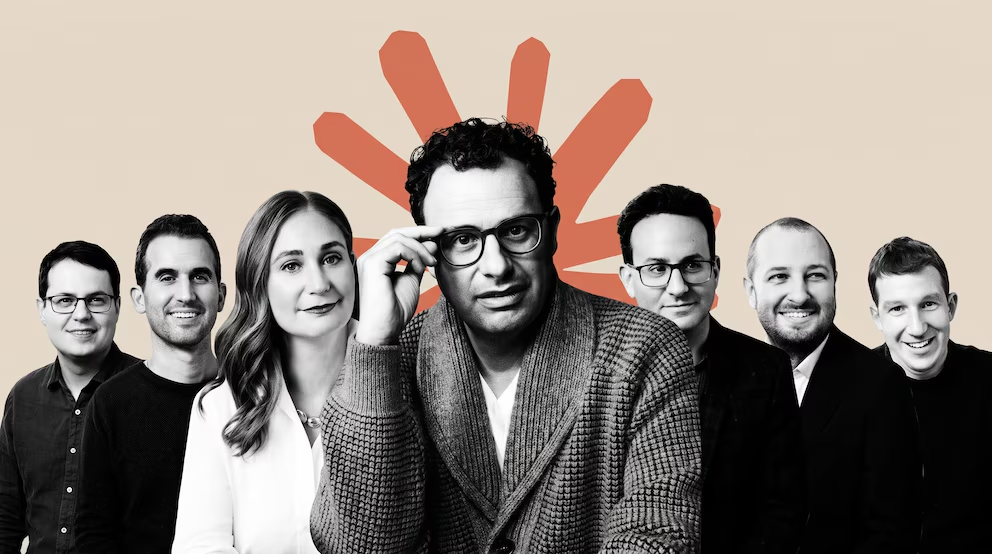
Employee retention provides one of the most striking indicators of this organizational model. Anthropic reported regrettable employee attrition of approximately 1% during the twelve months ending in September 2026, a measure reflecting departures the company would have preferred to avoid rather than its total employee turnover. The organization also incorporates values-based interviews into recruitment, assessing whether candidates demonstrate honesty, collaboration and commitment to its mission. These practices suggest a deliberate attempt to preserve institutional cohesion during rapid expansion, although low turnover alone cannot establish the effectiveness of a particular management philosophy.
Inside the company, unconventional management practices reinforce that identity. Dario conducts regular meetings in which employees hear his perspectives on technological progress, organizational decisions and the social consequences of artificial intelligence. Early employees developed personal working guides to improve collaboration, while company gatherings have included reading spaces, informal discussions and creative activities uncommon in traditional corporate environments. Such practices reflect an effort to maintain intellectual openness as the organization becomes increasingly complex.
Anthropic’s distinctive philosophy also extends into corporate governance and philanthropy. Structured as a public benefit corporation, the company maintains mechanisms intended to balance shareholder interests with broader societal considerations. Its seven founders have pledged to devote 80% of their personal equity holdings to charitable causes, while an employee donation-matching program encourages broader participation. These commitments represent substantial philanthropic intentions, although pledged equity should not be confused with donations already transferred or distributed.

The company’s public listing introduces a potentially difficult contradiction. Investors expect financial performance, expanding revenues and competitive leadership, while Anthropic’s stated mission includes developing safeguards that could delay product releases or increase operating costs. Its extraordinary market valuation therefore creates pressures that may challenge the organizational principles its founders consider essential. The immediate volatility following the IPO underscores how quickly financial expectations can diverge from long-term institutional objectives.
The Amodei siblings’ experience raises a larger question about leadership in the artificial intelligence industry. Technical sophistication and access to capital may determine how quickly advanced systems are developed, but institutional culture influences how organizations interpret risks, respond to internal disagreement and distribute responsibility. Whether Anthropic can preserve these characteristics as a publicly traded corporation remains an open question.
Its future significance may ultimately depend on more than market capitalization or technological performance. The enduring test will be whether a company built around an unconventional vision can demonstrate that responsible innovation, organizational trust and commercial ambition remain compatible under the pressures of global competition.
Behind Every Decision, a Larger Consequence.