

 Phoenix 24
A simple adjustment puts digital consent back in users’ hands.
MENLO PARK
WhatsApp users can prevent strangers and unwanted contacts from adding them directly to group conversations by changing a privacy setting available on the messaging platform. The feature, which has existed since 2019, is attracting renewed attention as unsolicited group invitations, unwanted advertising and messaging scams continue to raise concerns about personal privacy. Unlike blocking individual contacts, the setting allows users to establish who can include them in group chats before an invitation is accepted.
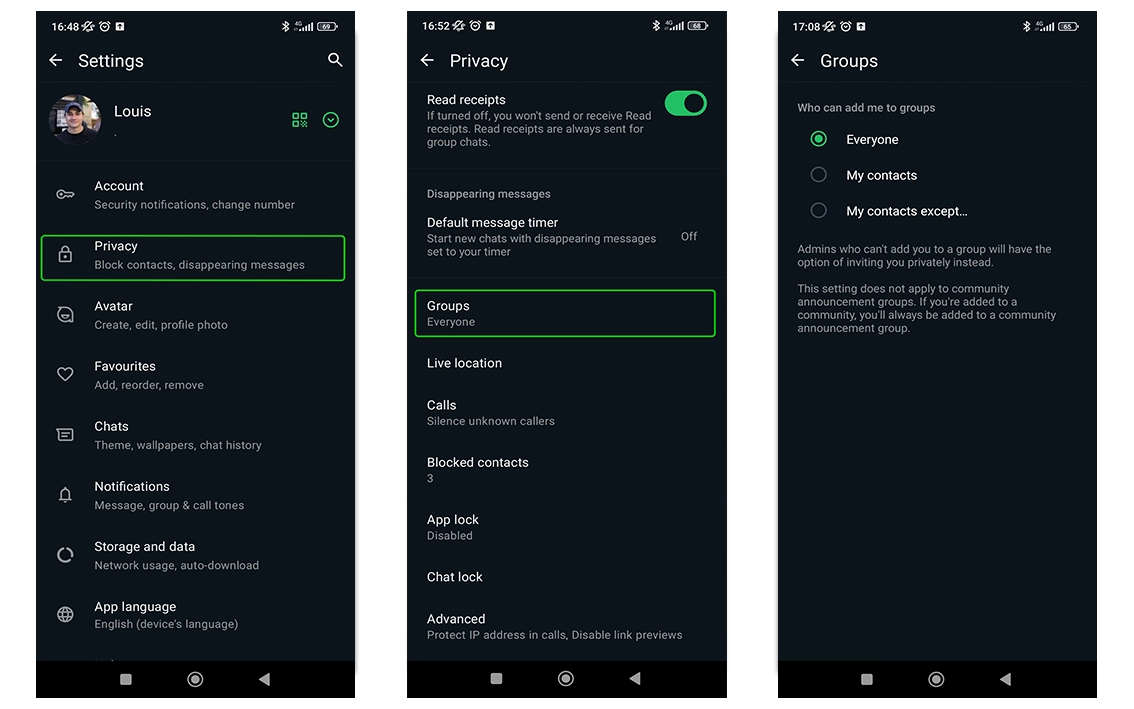
The adjustment is accessible through the application’s privacy menu on both Android and iPhone. Users can open WhatsApp, navigate to Settings, select Privacy and then choose Groups. Three options determine who can add them directly: Everyone, My Contacts and My Contacts Except. The first permits unrestricted additions, while the second limits them to numbers saved in the user’s address book. The third provides more selective control by allowing users to exclude particular contacts.
For individuals seeking maximum protection against unsolicited additions, the My Contacts Except option offers an additional safeguard. By selecting every contact in their address book, users can prevent existing saved contacts from adding them directly to groups. However, WhatsApp does not currently provide a separate Nobody option, and newly saved contacts may need to be excluded manually when the address book changes.
The restriction does not eliminate group invitations altogether. When an administrator attempts to add someone whose privacy settings prohibit direct inclusion, WhatsApp can instead provide an option to send a private invitation. The recipient then decides whether to join, with invitations generally expiring after three days if they remain unanswered. This approach preserves legitimate opportunities for participation while allowing individuals to exercise greater control over their digital interactions.
The distinction matters because group conversations can expose users to people they have never contacted directly. In ordinary WhatsApp groups, participants can generally see one another’s phone numbers, potentially creating opportunities for unsolicited communication, unwanted contact or fraudulent approaches. Restricting automatic group additions can reduce this exposure, although the feature does not prevent every form of spam, phishing or contact initiated through other channels.
Users who already belong to unwanted groups must manage those conversations separately. WhatsApp allows participants to leave groups, report suspicious activity and block individual administrators or contacts when appropriate. Privacy settings governing future invitations do not automatically remove someone from existing conversations, making regular reviews of group memberships another useful component of personal account management.
The broader relevance of this feature extends beyond convenience. Messaging applications increasingly serve as infrastructure for professional collaboration, family communication, education and commercial activity. As participation becomes more widespread, the ability to distinguish voluntary communication from unwanted inclusion becomes an important dimension of digital autonomy.
WhatsApp’s group controls illustrate how comparatively simple settings can help users establish boundaries without abandoning essential communication services. Their effectiveness ultimately depends on awareness, appropriate configuration and understanding the limits of the protection they provide.
Clarity Beyond the Noise.