

 Phoenix 24
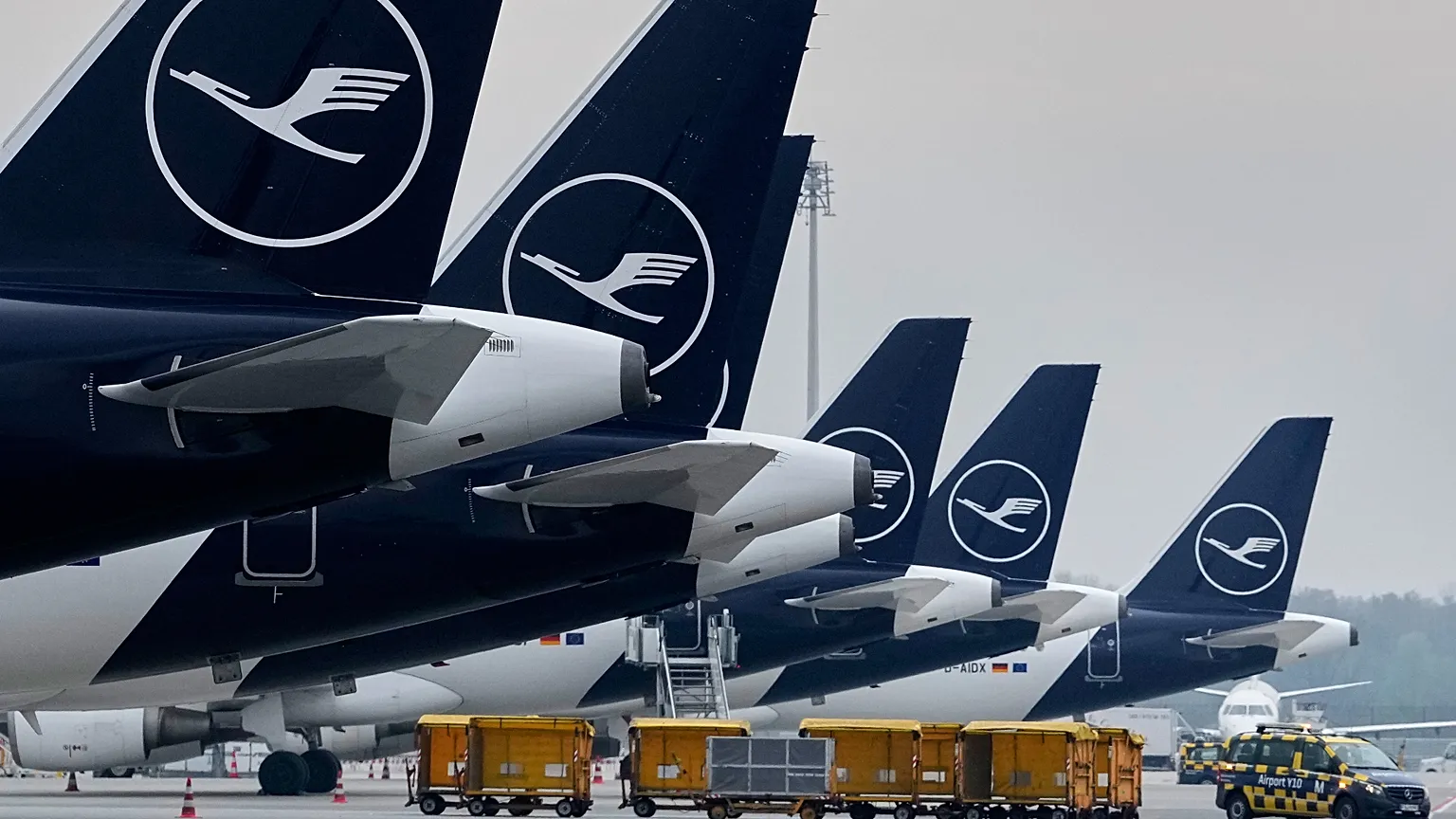
Rising fuel costs expose deeper structural weaknesses.
Frankfurt, Germany
German aviation giant Lufthansa is preparing to eliminate approximately 1,000 full-time positions at its Frankfurt and Munich hubs after its flagship airline recorded operating losses averaging €20 million per month during the first nine months of 2026. The restructuring proposal, disclosed in an internal management letter on November 20, reflects mounting pressure from rising fuel costs, labor disruptions and persistent operational inefficiencies. The announcement also exposes a striking financial contrast between the struggling core airline and the wider Lufthansa Group, which continues to generate substantial profits.
Lufthansa Airlines reported an adjusted operating loss of €180 million between January and September, prompting executives to acknowledge that existing recovery measures have failed to deliver the anticipated results. Chief executive Jens Ritter and four senior managers attributed the deterioration to the conflict in the Middle East, elevated aviation fuel prices, nine days of strikes and an operating structure that remains insufficiently competitive.
The proposed workforce reduction represents approximately 2.5% of Lufthansa Airlines’ workforce of nearly 40,000 employees. However, the company has not specified when the positions will disappear or whether the reductions will involve dismissals, voluntary departures or other employment measures. It also remains unclear whether these positions are included in the broader Lufthansa Group restructuring plan announced previously, which envisages eliminating approximately 4,000 mainly administrative jobs by 2030.
The airline’s difficulties highlight the limitations of an ambitious transformation program launched in 2024. Management has identified more than 700 operational and financial measures intended to improve earnings by €2.5 billion by 2028. Although the initiatives have already contributed more than €1.5 billion to financial performance, executives acknowledge that the existing changes are no longer sufficient to address the worsening economic environment.
Energy costs remain particularly significant. Lufthansa Group expects its annual fuel expenditure to reach approximately €9.3 billion, around €2 billion more than in 2025. The company has already reduced short-haul operations and is considering further network adjustments, including deploying more efficient aircraft and limiting overnight crew stays abroad.
Yet the wider corporation presents a different financial picture. Lufthansa Group generated €32.1 billion in revenue during the first nine months of 2026, an increase of 8%, while adjusted operating profit reached approximately €1.18 billion. Its third-quarter operating profit climbed 6% to €1.41 billion, supported by stronger performance in logistics, aircraft maintenance and selected passenger markets.
The disparity reveals the complexity of restructuring a multinational aviation business. Profitable subsidiaries can strengthen consolidated financial results even while the principal airline faces significant cost disadvantages. For employees, however, corporate profitability offers limited reassurance when management is preparing further workforce reductions.
Labor relations introduce another challenge. The company is simultaneously negotiating with pilots over employment conditions and long-term staffing arrangements, making additional restructuring particularly sensitive. Any reductions will require careful consideration of operational continuity, professional expertise and the potential consequences for service quality.
Lufthansa has narrowed its projected full-year adjusted operating profit to between €1.7 billion and €2 billion, reflecting continuing uncertainty over fuel prices and geopolitical conditions. Whether the proposed changes can restore the flagship carrier’s competitiveness remains uncertain.
The airline’s difficulties illustrate a broader challenge facing European aviation: maintaining international connectivity and commercial competitiveness while absorbing rising operating costs and protecting skilled employment. Lufthansa’s recovery will ultimately depend not only on reducing expenditure, but on developing an operating model capable of sustaining profitability without undermining the human expertise on which aviation safety and service depend.
Beyond the Numbers, the Consequences.