

 Phoenix 24
Intelligence cooperation delivers results amid deadly cartel violence.
Mexico City, Mexico
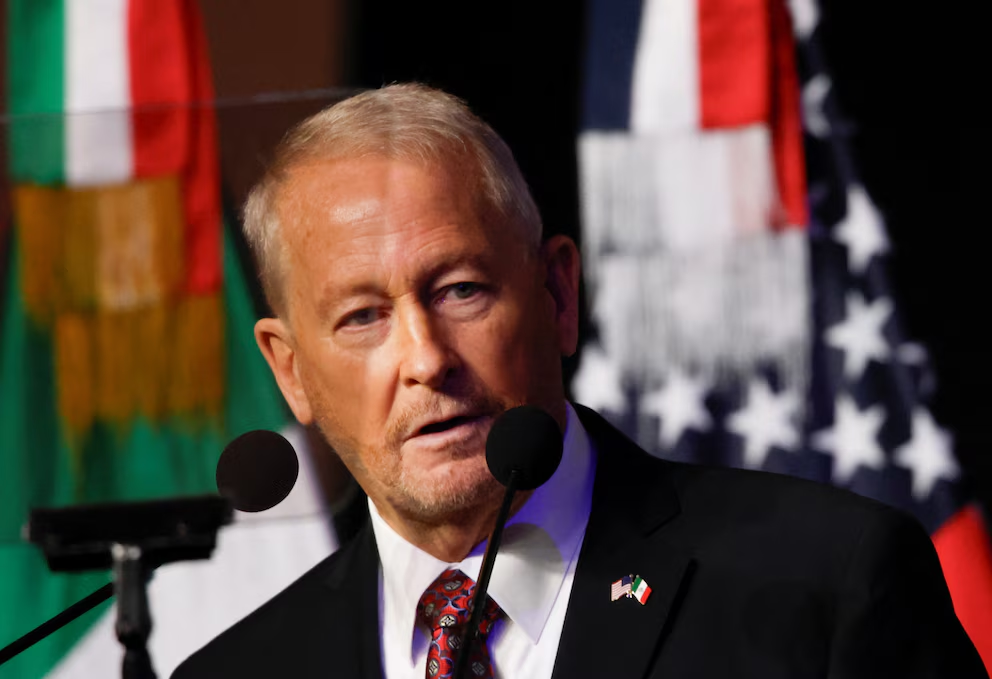
US Ambassador to Mexico Ronald Johnson has praised the courage and professionalism of Mexican security forces following the capture of Fausto Isidro Meza Flores, known as “El Chapo Isidro,” in Guasave, Sinaloa. The diplomatic recognition, issued on November 21, highlights the importance of bilateral intelligence cooperation in dismantling transnational criminal organizations. It also follows a deadly operation that exposed the continuing risks confronting Mexican military personnel and civilian communities.
Johnson emphasized that strategic intelligence shared between Washington and Mexico City contributed to locating and apprehending the suspected criminal leader. He described the operation as the result of sustained cooperation and mutual trust, rather than an isolated security achievement. His remarks reinforced the American government’s commitment to maintaining pressure on organizations involved in international drug trafficking.
Meza Flores had been among the FBI’s Ten Most Wanted Fugitives since February 2025, with US authorities offering a reward of up to $5 million for information leading to his arrest or conviction. He is accused of directing the Meza-Flores trafficking organization, associated with the Beltrán Leyva criminal network and linked by Mexican authorities to the Los Mayos faction of the Sinaloa Cartel. The allegations involve extensive drug trafficking activities affecting both countries.
The November 20 operation involved Mexican Army Special Forces, the National Guard and intelligence cooperation with American agencies. Authorities also detained Germán “N,” known as “Serafín,” identified as a senior member of the organization, and José “N,” an alleged financial operator. Their arrests represent a significant disruption to the group’s suspected leadership structure, although the broader criminal network’s operational capacity remains uncertain.
Washington’s response extended beyond the ambassador’s statement. Sara Carter, director of the White House Office of National Drug Control Policy, described the arrests as a victory for both countries and recognized the efforts of Mexican Security Secretary Omar García Harfuch, the Defense Ministry and the National Guard. The Drug Enforcement Administration also welcomed the operation, identifying the organization as a major contributor to drug trafficking and violence.
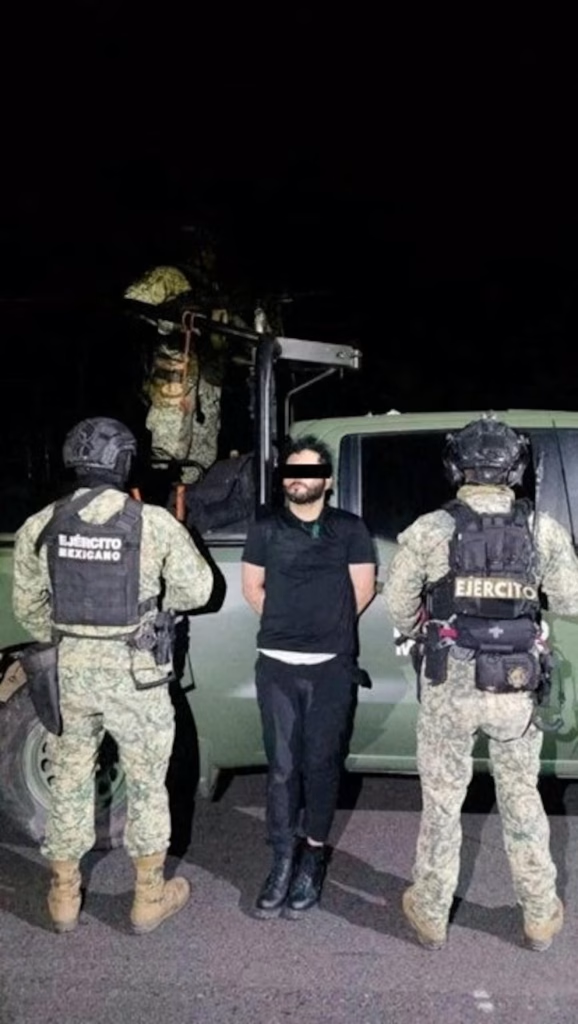
The United States Northern Command separately acknowledged bilateral intelligence coordination, reporting that a counter-cartel task force established this year had supported efforts to locate the suspect. The statements demonstrate the growing importance of coordinated intelligence capabilities, although American participation in information sharing should not be confused with direct involvement in the Mexican military assault.
The operation nevertheless carried substantial human consequences. Four Mexican soldiers and seven suspected armed attackers were killed amid confrontations and retaliatory violence. Roadblocks, burning vehicles and gunfire disrupted communities across Sinaloa, illustrating the capacity of organized criminal groups to generate instability even when their senior figures are apprehended.
The diplomatic recognition comes at a sensitive moment for bilateral security relations. Both governments share an interest in disrupting trafficking networks, but questions concerning sovereignty, accountability and the appropriate limits of foreign security cooperation remain fundamental to their relationship.
For Mexico, the challenge now extends beyond the successful arrest. Prosecutors must establish criminal responsibility through judicial proceedings, while security institutions confront the possibility of retaliation and organizational fragmentation. The United States, meanwhile, faces continuing responsibilities involving domestic drug demand, illegal firearms trafficking and the financial networks that sustain transnational crime.
Johnson’s acknowledgment represents an important diplomatic endorsement of Mexico’s security institutions. Whether the operation ultimately contributes to lasting stability will depend on sustained cooperation, effective prosecution and measurable improvements in public safety.
Beyond the Headlines, Accountability Matters.