

 Phoenix 24

A major cartel arrest comes at a deadly cost.
Guasave, Sinaloa, Mexico
Mexican authorities have confirmed the deaths of four Army soldiers and seven suspected gunmen following a major security operation that resulted in the capture of Fausto Isidro Meza Flores, widely known as “El Chapo Isidro,” one of the country’s most wanted alleged drug trafficking leaders. The operation, carried out on November 20 in Guasave, Sinaloa, triggered armed confrontations, burning vehicles and highway blockades across several municipalities, exposing the continuing capacity of organized criminal groups to disrupt civilian life even after the arrest of senior figures.
Mexico’s Ministry of National Defense confirmed the casualties on November 21, reporting that seven suspected members of the criminal organization were killed during the confrontations. Four infantry soldiers also lost their lives while traveling to reinforce security operations in Guasave. The military deaths prompted an official expression of condolences from Security Secretary Omar García Harfuch, who recognized the soldiers’ service and reaffirmed the government’s commitment to protecting families affected by organized violence.
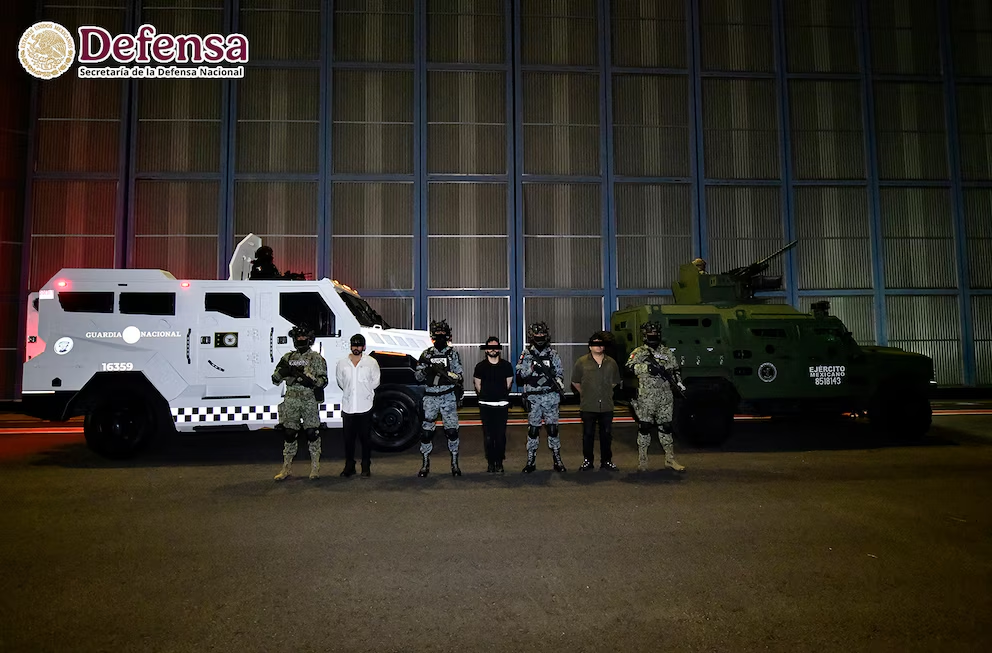
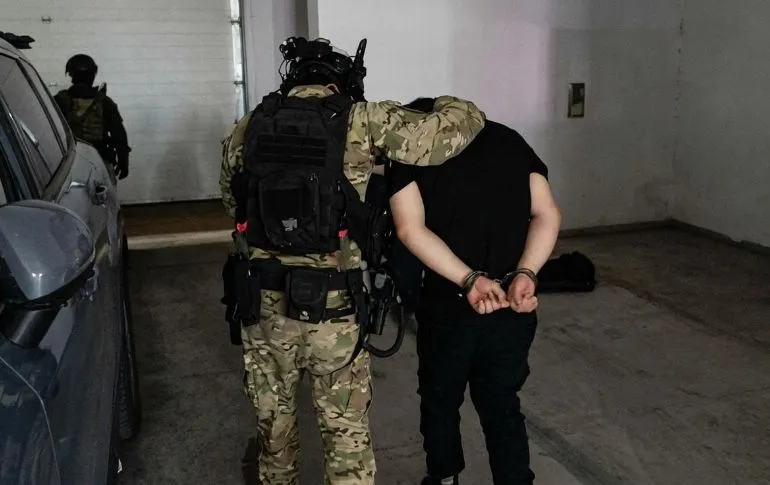
The arrest followed a coordinated intelligence operation involving Mexican defense authorities and their counterparts in the United States. Special Forces units from the Mexican Army and National Guard located Meza Flores and established a security perimeter around the property where he was believed to be staying. According to the Defense Ministry, armed individuals responded with gunfire and explosive devices, prompting federal personnel to enter the building and carry out the arrests.
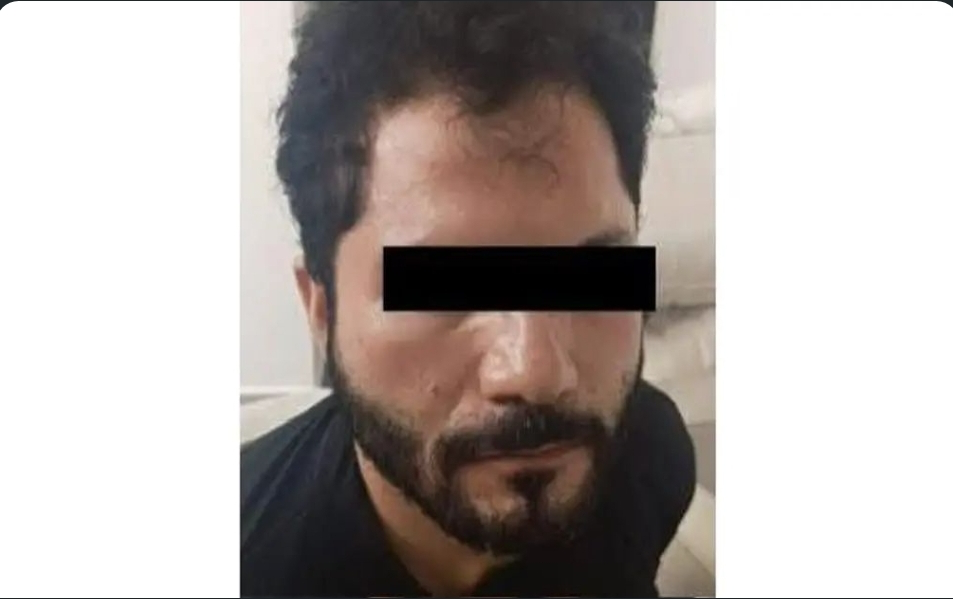
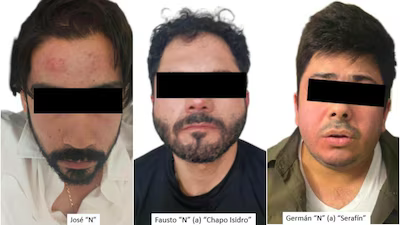
Alongside Meza Flores, authorities detained Germán “N,” known as “Serafín,” identified as the organization’s second-in-command, and José “N,” described as a suspected financial operator. Five additional suspects were detained during related operations, bringing the reported number of arrests to eight. The three principal detainees were transported to Mexico City aboard a Mexican Air Force aircraft and placed under the authority of federal prosecutors.
Security forces also seized weapons and equipment, including a .50-caliber Barrett rifle, ten additional firearms, a grenade launcher, two hand grenades, ammunition, tactical equipment, suspected drugs and cash. The collection of military-grade weapons illustrates the capabilities attributed to the criminal organization, although the investigation must establish the individual responsibility of those arrested.
The operation generated an immediate wave of retaliatory violence. Criminal groups allegedly established roadblocks and set vehicles ablaze in Guasave, Ahome, Guamúchil and Navolato, disrupting transportation and forcing residents to seek shelter. Gunfire interrupted a professional baseball game between the Algodoneros de Guasave and Venados de Mazatlán, leaving spectators and players seeking protection as authorities responded to the emergency.
The disruption extended beyond Guasave, affecting highway connections across northern and central Sinaloa. Residents were advised to avoid unnecessary travel, while security forces implemented an emergency plan to remove obstacles and restore circulation. Local businesses and public gathering places temporarily sheltered people unable to return home safely.
Meza Flores had been included on the FBI’s Ten Most Wanted Fugitives list, with US authorities offering a reward of up to $5 million for information leading to his arrest. Mexican security officials identify him as a leader associated with the Beltrán Leyva criminal organization and an ally of the Los Mayos faction of the Sinaloa Cartel. He faces criminal proceedings in Mexico and is wanted by US authorities on drug trafficking-related allegations.
His arrest represents an important operational achievement for Mexican security institutions, particularly because of the international intelligence cooperation involved. However, removing a suspected criminal leader does not automatically dismantle the networks, financing mechanisms and territorial structures supporting an organization. The violent response in Sinaloa demonstrates how criminal groups can retain substantial operational capabilities even when senior figures are captured.
The confrontation also underscores the human cost of Mexico’s struggle against organized crime. The four military deaths represent losses for their families and the armed forces, while the seven suspected attackers killed during the operation bring the reported death toll to at least eleven. The Defense Ministry stated that it had no confirmed reports of casualties among people uninvolved in the confrontations at the time of its assessment.
García Harfuch described the arrests as an important step toward restoring peace in Sinaloa and confirmed that federal security forces would maintain their deployment. The government’s immediate challenge extends beyond securing the detainees and reopening highways. Sustained public safety will require preventing further retaliation, protecting civilian communities and ensuring that criminal investigations proceed within established legal safeguards.
The strategic consequences could become particularly significant in a state already affected by prolonged disputes among competing criminal factions. Removing an influential figure may weaken particular command structures, but it can also generate uncertainty over territorial control and encourage competing organizations to seek opportunities for expansion. Such possibilities remain prospective risks rather than established consequences of the latest operation.
For Mexico, the arrest illustrates both the capabilities and limitations of high-profile operations against organized crime. Intelligence coordination and specialized military units can achieve significant tactical results, but lasting security also depends on effective prosecution, financial investigations, institutional integrity and the restoration of public confidence.
The events in Guasave therefore present two realities that cannot be separated: the successful capture of a major criminal suspect and the deadly violence surrounding that achievement. Whether the operation becomes a turning point in Sinaloa’s security crisis will depend not only on the arrest itself, but on the government’s ability to prevent further bloodshed and deliver lasting protection to the communities living under the threat of organized crime.
Beyond the Headlines, Accountability Matters.