

 Phoenix 24
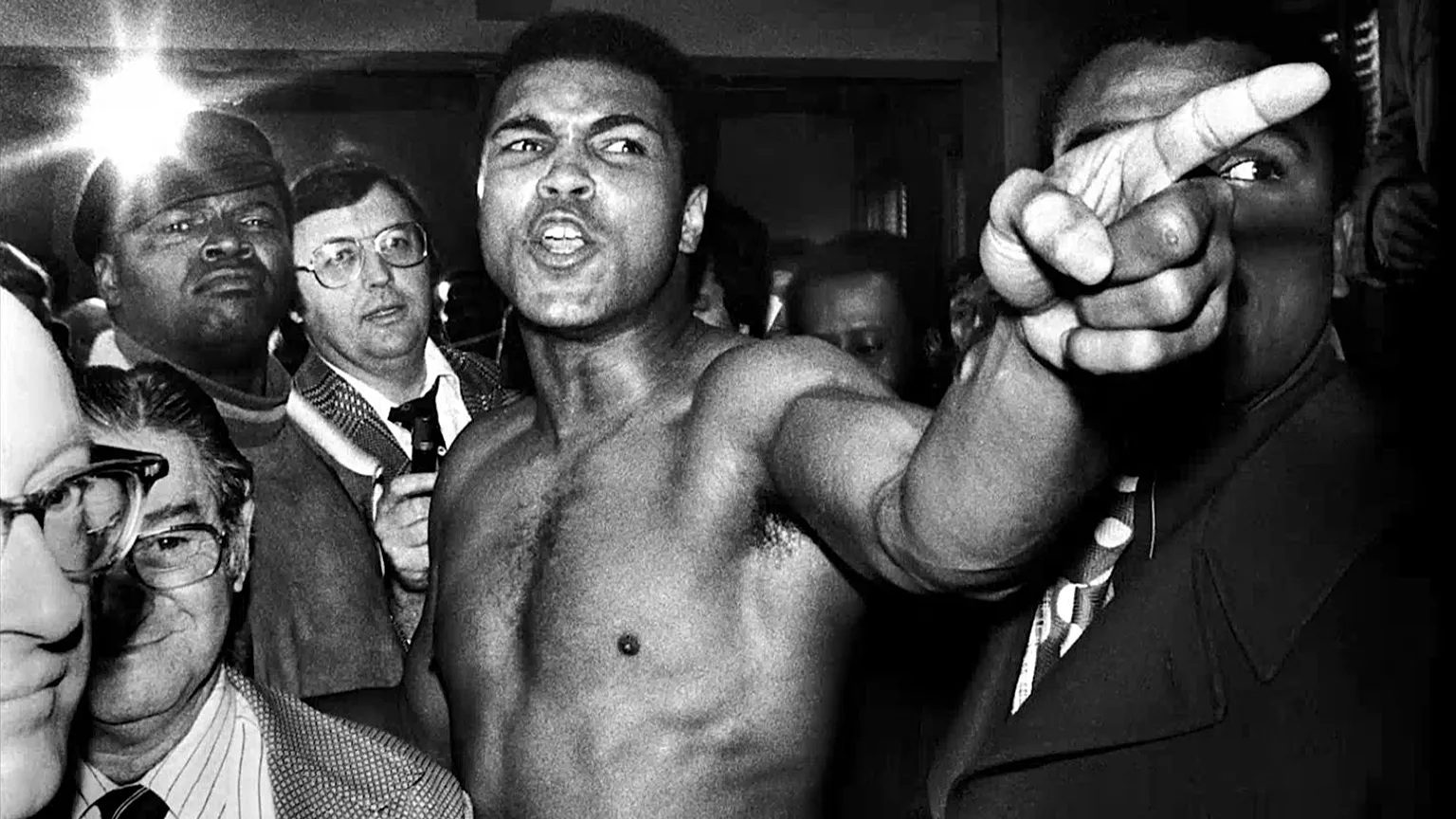
A remarkable photographic archive revisits America’s unfinished social transformations.
NEW YORK, United States. French photographer Jean-Pierre Laffont is revisiting six decades of American social history through Rebels with a Cause, a photographic collection documenting the protests, cultural movements and everyday lives that helped transform the United States. The book captures a turbulent period whose political and social consequences remain visible today.
Laffont arrived in New York in April 1964 with limited financial resources and an ambition to photograph ordinary Americans. Instead, he encountered a city struggling with poverty, crime and social division while becoming a center of movements challenging established institutions.
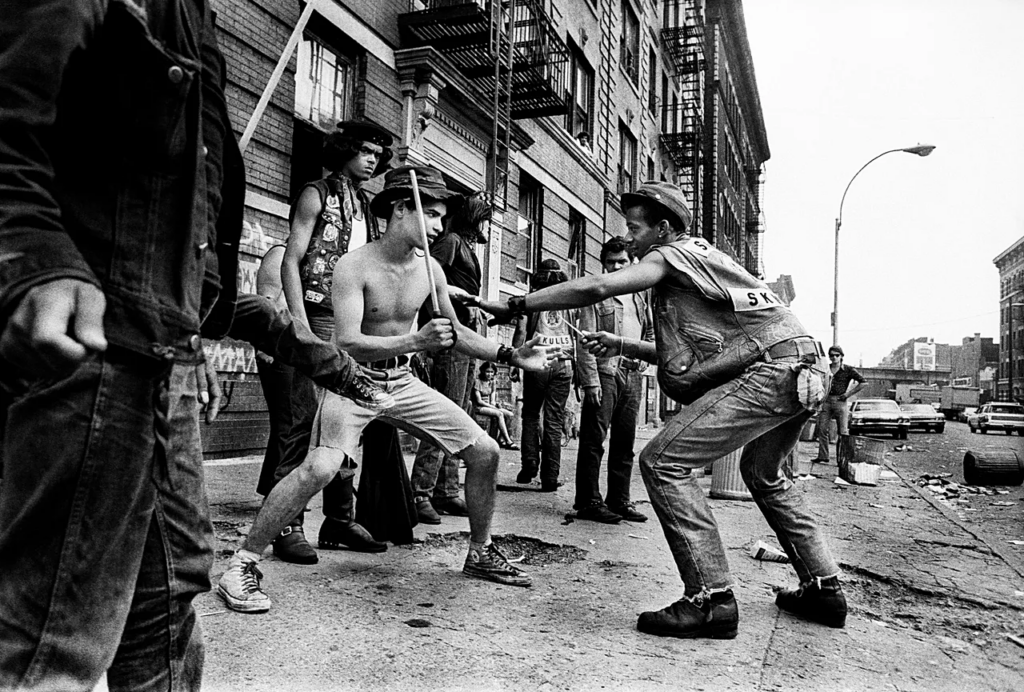
His photographs document the civil rights movement, demonstrations against the Vietnam War and the emergence of organized LGBTQ rights activism. Rather than concentrating exclusively on prominent leaders, Laffont photographed individuals participating in moments of collective change.
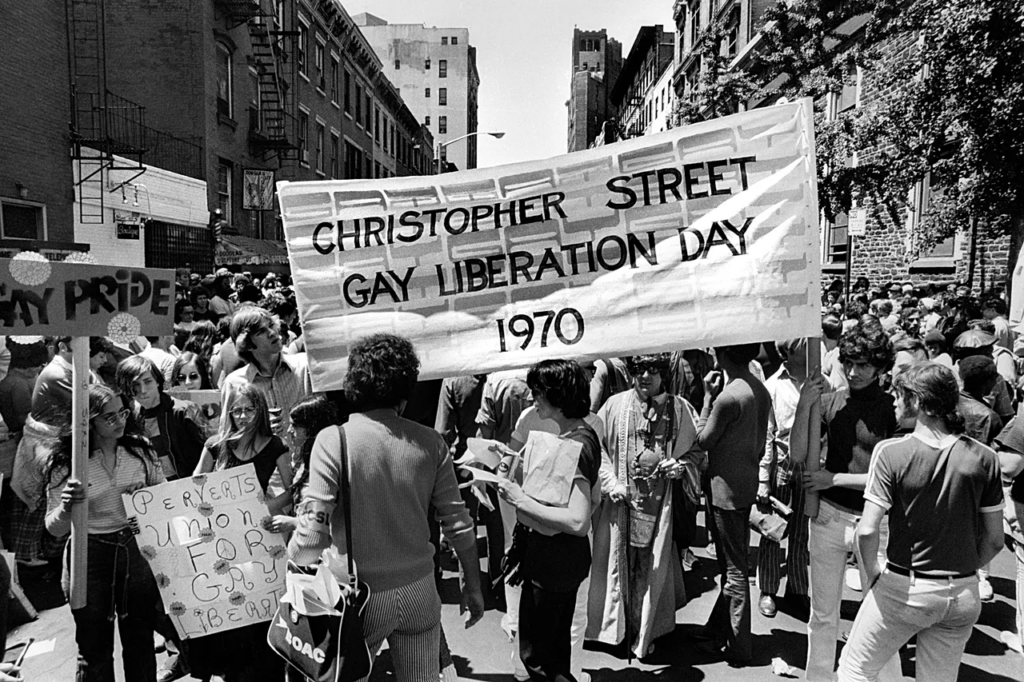
Among his most significant experiences was the first New York Pride march in June 1970. He remembered the celebration as an extraordinary public expression of freedom, with participants gathering in Central Park to dance, embrace and openly celebrate their identities.
A decade later, he photographed Pride celebrations in San Francisco, observing how LGBTQ communities had developed professional networks, businesses and stronger public visibility.
The Vietnam War also shaped his understanding of American society. Laffont recalled that opposition to military conscription reflected deep inequalities, particularly among young men whose educational and economic circumstances influenced their exposure to combat.
His photographic archive includes antiwar demonstrations, street gangs, prominent cultural figures and moments of urban transformation, providing a record of American life beyond conventional political narratives.
The collection also invites reflection on the changing nature of photojournalism. During his early career, Laffont frequently carried five cameras to avoid changing lenses during unpredictable events. Film limitations required careful preparation, while distributing photographs through magazines often meant surrendering original negatives.
Today, digital photography has eliminated many technical constraints, but technological progress has introduced new concerns about authenticity.
Laffont acknowledges the challenges posed by artificial intelligence and manipulated images, emphasizing that his generation regarded altering photographic negatives as incompatible with documentary integrity.
His perspective underscores photography’s continuing significance as historical evidence. Images can preserve expressions, relationships and circumstances that written accounts may struggle to convey.
Published by Damiani Books, Rebels with a Cause offers more than a retrospective of social protest. It invites readers to examine how ordinary people participated in transformations whose consequences continue shaping American culture and identity.
Behind Every Image, a Deeper Story.