

 Phoenix 24
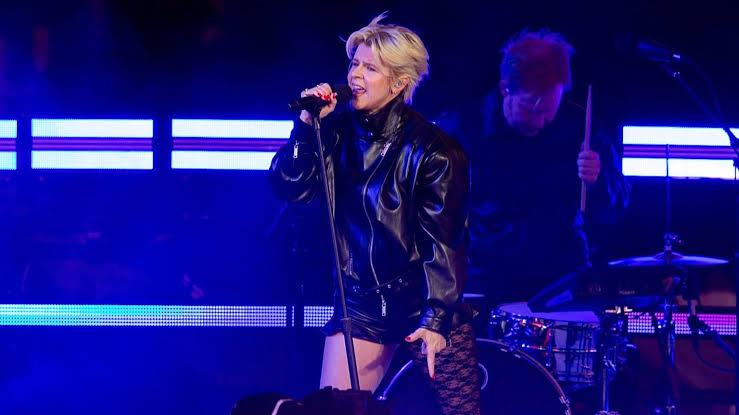
The Swedish pop star questions Europe’s biggest music spectacle.
STOCKHOLM, Sweden. Swedish pop star Robyn has delivered a sharply critical assessment of the Eurovision Song Contest, describing the annual competition as embarrassing and expressing disappointment with its current artistic direction. Her comments, made during an appearance on Amy Poehler’s Good Hang podcast, arrive as the event faces declining television audiences and renewed controversy over participating countries.
The singer, internationally recognized for hits including Dancing On My Own, With Every Heartbeat and Show Me Love, suggested that Eurovision has lost much of the musical appeal she associates with earlier generations.
Robyn singled out ABBA, whose 1974 victory with Waterloo helped establish Sweden’s enduring relationship with the competition. She acknowledged that she rarely watches Eurovision today and described feeling unpleasantly overstimulated when she does.
Her criticism was directed primarily at the viewing experience rather than at individual contestants. She recalled watching the broadcast with American friends, including one who covers his eyes during performances because he finds the spectacle uncomfortable.
The remarks have attracted attention because Sweden remains one of Eurovision’s most successful participating countries. Following ABBA’s breakthrough, Swedish performers have secured six additional victories, including Loreen’s 2023 win with Tattoo.
The controversy also arrives during a difficult period for the competition’s organizers. Eurovision has faced disputes over Israel’s participation, with several European public broadcasters questioning whether the event can maintain its cultural identity while navigating international political tensions.
Spain, Ireland, the Netherlands, Iceland and Slovenia boycotted the 2025 competition, according to Euronews. Ireland has also announced its withdrawal from the 2027 edition, while other broadcasters have reconsidered their participation for political or financial reasons.
Audience figures add another dimension. The 2026 contest attracted approximately 131 million viewers, a decline of 35 million compared with the previous year.
Nevertheless, falling viewership and political controversy should not automatically be interpreted as evidence supporting Robyn’s artistic assessment. Her comments represent a personal opinion about the competition’s presentation, while audience behavior and broadcaster participation involve several distinct factors.
The next Eurovision Song Contest is scheduled for May 15, 2027, in Burgas, Bulgaria, following Dara’s victory in Vienna.
For Eurovision, the challenge is preserving its appeal as an international entertainment event while responding to changing audience expectations and political pressures.
Robyn’s remarks highlight a broader question confronting televised music competitions: how can they continue evolving without losing the artistic credibility that helped establish their cultural significance?
Behind Every Performance, a Larger Cultural Conversation.