

 Phoenix 24
Military restraint does not necessarily mean lasting peace.
WASHINGTON
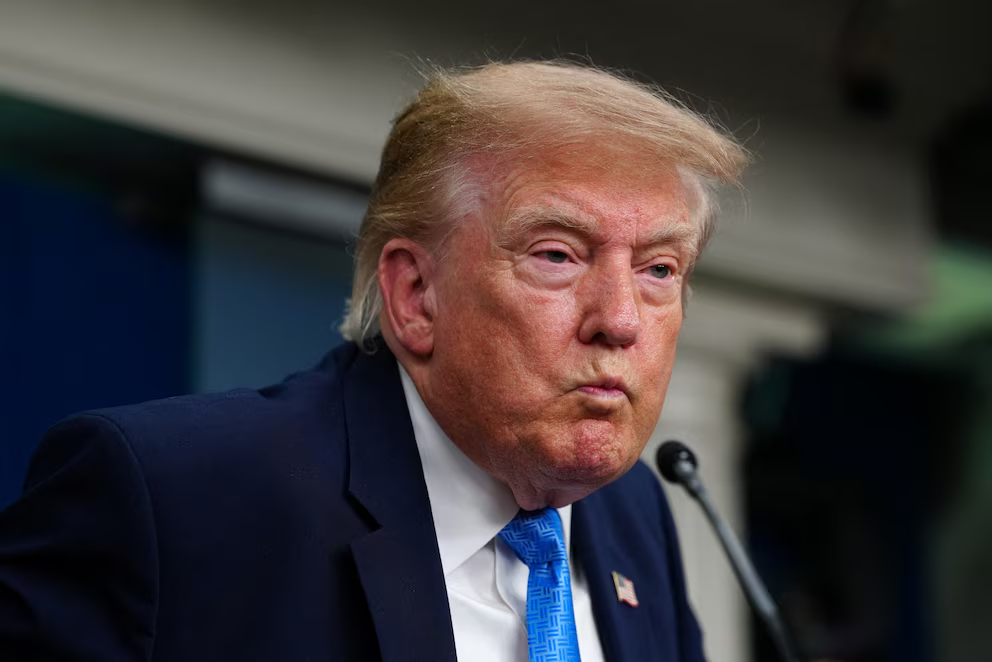
US President Donald Trump has declared that the war against Iran is effectively over from a military standpoint, signaling that Washington does not currently intend to resume major bombardments. However, the continued American naval blockade, regional troop deployments and unresolved nuclear negotiations indicate that the confrontation remains far from a definitive settlement.
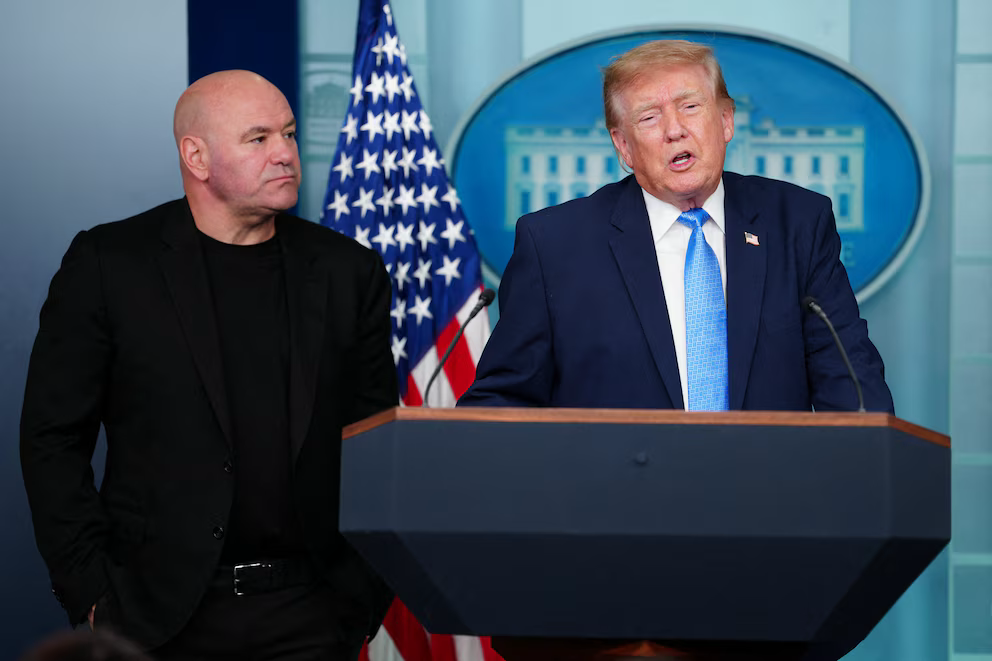
Speaking at the White House on November 9 after meeting Qatar’s Prime Minister Sheikh Mohammed bin Abdulrahman Al Thani, Trump described Iran’s military capabilities as severely weakened and suggested that diplomatic negotiations were progressing.
The president maintained that additional strikes were unnecessary under present conditions, while emphasizing that American forces remained prepared to respond if circumstances changed.
His remarks represent a shift from earlier warnings that the United States could resume large-scale attacks if Tehran refused to accept Washington’s demands. Yet the administration has not announced a formal ceasefire or a timetable for withdrawing its military forces.
Thousands of American personnel remain deployed in the region, supporting operations that include a naval blockade restricting Iranian oil exports. US forces have also conducted limited strikes against Iranian air defenses and recently disabled a commercial vessel accused of attempting to breach the blockade.
The distinction between reducing bombardments and ending hostilities is particularly important. Military pressure can continue through maritime restrictions, targeted operations and the threat of renewed force, even without a sustained aerial campaign.
Qatar has emerged as an important diplomatic intermediary, facilitating indirect communications between Washington and Tehran. Following his meeting with Trump, the Qatari prime minister expressed optimism about discussions intended to advance a negotiated settlement.
Nevertheless, substantial disagreements remain.
Iranian authorities have demanded an end to the naval blockade, sanctions relief, access to frozen financial assets and compensation for damage caused during the conflict. Tehran has also called for an end to regional hostilities, including Israeli military operations in Lebanon.
Washington continues to insist that any agreement must prevent Iran from developing nuclear weapons. Trump has described this objective as non-negotiable, although the precise verification arrangements and concessions under discussion have not been publicly established.
The diplomatic developments follow eight months of conflict that have disrupted energy markets and contributed to rising transportation and consumer costs internationally.
Domestic political pressure has also intensified following the Republican Party’s losses in the November 3 congressional elections. Critics in Congress continue questioning the administration’s military decisions and the legal authorization underlying the campaign.
Republican Representative Thomas Massie has moved to initiate impeachment proceedings against Defense Secretary Pete Hegseth, reflecting continuing disagreement over the conduct of the war.
For countries dependent on Middle Eastern energy supplies, any sustained reduction in hostilities could improve economic expectations. However, the continued blockade and uncertainty surrounding regional security remain obstacles to normal commercial activity.
Trump’s declaration therefore marks a potential diplomatic turning point rather than a verified conclusion to the conflict.
Whether the current military restraint develops into lasting peace will depend on enforceable agreements, the future of Iran’s nuclear program and decisions concerning sanctions and maritime restrictions.
Beyond the Headlines, Accountability Matters.