

 Phoenix 24
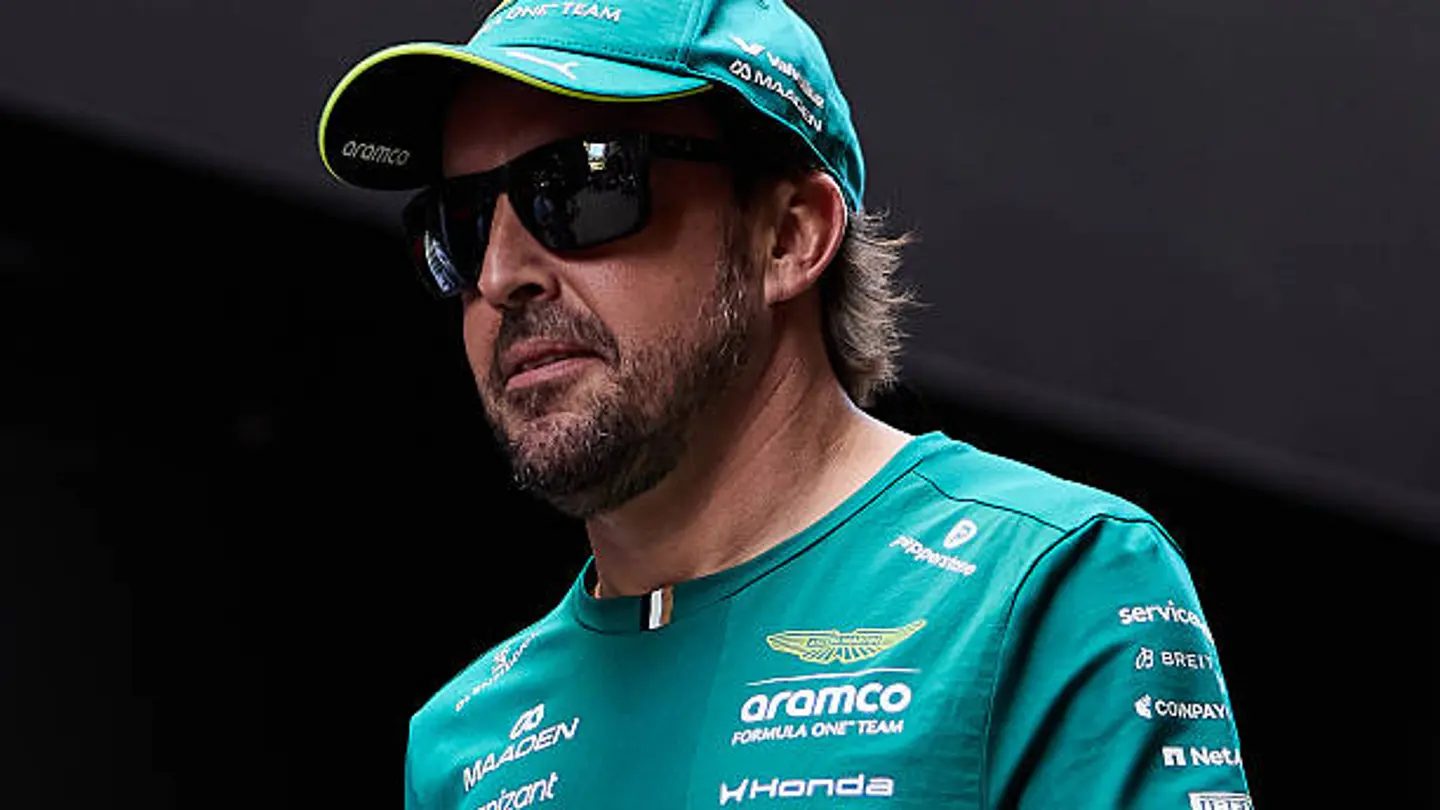
Improved performance means little without mechanical reliability.
SÃO PAULO
Fernando Alonso has called on Honda to resolve the technical problems undermining Aston Martin’s Formula 1 campaign, expressing cautious optimism ahead of the Brazilian Grand Prix following a disastrous weekend in Mexico. The two-time world champion believes his team has made meaningful progress with its chassis, but recurring power unit failures continue to prevent that improvement from translating into championship points.
The latest setback occurred at the Mexico City Grand Prix, where both Alonso and teammate Lance Stroll retired after completing only five racing laps. Their simultaneous departures followed a promising practice performance that had suggested Aston Martin might challenge the midfield more effectively.
Alonso had completed approximately 84 laps during practice, making the sudden deterioration particularly frustrating. A malfunction involving the Motor Generator Unit-Kinetic, known as the MGU-K, interrupted his qualifying session before reappearing during Sunday’s race.
Honda subsequently acknowledged that the extraordinary altitude of Mexico City had placed greater stress than anticipated on the energy recovery system’s cooling circuit. Chief engineer Shintaro Orihara explained that the failures appeared under specific operating conditions that had not been adequately reproduced during preparations.
The Japanese manufacturer has introduced hardware and software countermeasures for Brazil, although their effectiveness remains to be demonstrated under competitive conditions. Interlagos is considerably lower than Mexico City’s circuit, potentially reducing some of the technical demands responsible for the previous failures.
Alonso has approached the weekend with measured expectations. Rather than predicting a dramatic improvement, he considers finishing between 12th and 14th positions a competitive result for Aston Martin under current circumstances. Such a performance could provide an opportunity to score points if developments during the race favor the team.
His assessment reflects the distinction between aerodynamic progress and mechanical reliability. Recent improvements have strengthened Aston Martin’s performance through corners, but persistent power unit problems have limited the team’s ability to capitalize on those gains.
The implications also extend into 2027. Honda is developing an updated power unit, and information collected from this season’s failures is expected to influence its engineering program. Alonso has expressed confidence in the direction of the chassis development, although the competitiveness of next year’s complete package remains uncertain.
For Aston Martin, the Brazilian Grand Prix represents an opportunity to demonstrate that technical lessons have produced tangible improvements. The challenge is not merely to complete another race, but to establish whether the partnership can consistently deliver the performance and reliability required to compete.
Alonso’s determination remains evident despite a difficult championship campaign. His immediate objective is straightforward: complete the race, maximize the car’s potential and provide the team with meaningful evidence of progress.
For Honda, however, the pressure reaches further than one weekend. The manufacturer’s response will help determine whether Aston Martin can translate its substantial engineering ambitions into a more competitive future.
Beyond the Hype, Reality Matters.