

 Phoenix 24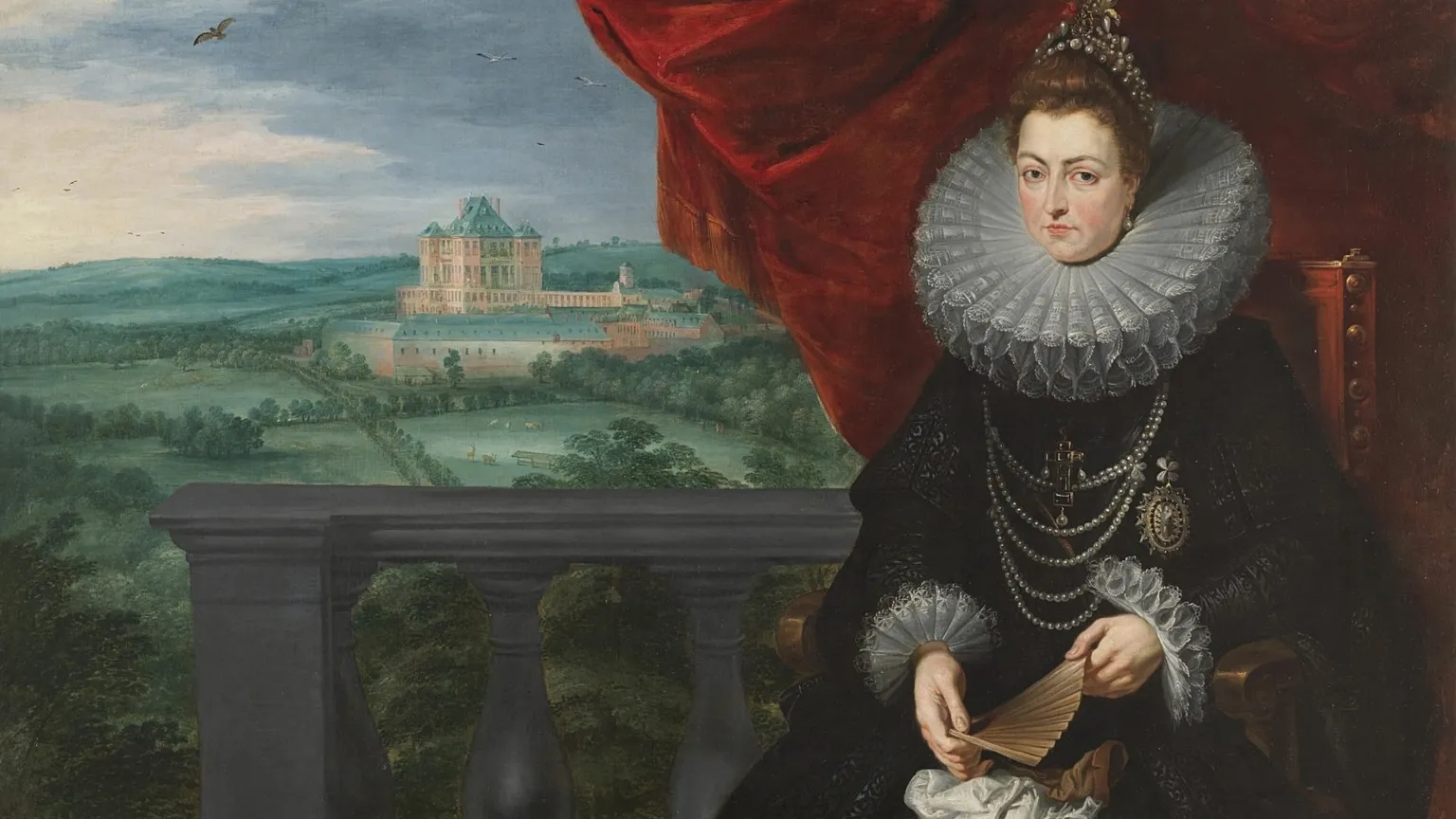
The project seeks not only more visibility, but a different reading of Europe’s artistic past.
Madrid
The Museo del Prado and Amsterdam’s Rijksmuseum have launched a strategic alliance to investigate the role of women in the shared cultural history of Spain and the Netherlands. The collaboration will focus on artists, patrons and other influential female figures whose contributions were often minimized or excluded from traditional museum narratives.
At the center of the initiative is an international postdoctoral fellowship that will begin in 2027. The selected researcher will work across the collections of both institutions, concentrating particularly on women during the Habsburg era. The findings are expected to influence future exhibitions, catalogues and research projects in Madrid and Amsterdam.
The partnership is significant because it moves beyond the objective of simply displaying more works by women. Both museums are framing the project as a reconsideration of how art history itself has been constructed. That means examining not only female painters, but also collectors, patrons, court figures and other women who shaped artistic production, circulation and taste.
The Prado has already been moving in this direction through its El Prado en Femenino initiative. That program has helped return attention to figures such as Clara Peeters and Sofonisba Anguissola and is preparing a new exhibition focused on Mariana of Austria. The project has encouraged the museum to reconsider how women appear not only as subjects in paintings, but as active participants in the cultural systems that produced them.
The Rijksmuseum has developed a parallel effort through Women of the Rijksmuseum. Since 2021, researchers have examined hundreds of works and reintroduced artists such as Gesina ter Borch, Maria van Oosterwijck and Marlow Moss into the institution’s cataloguing and interpretive framework.
The collaboration will culminate in a major exhibition at the Rijksmuseum in 2029. By then, the objective is to have generated enough new research to present a more complex picture of the Habsburg world and the networks connecting Spain and the Netherlands.
The alliance reflects a broader transformation taking place inside major museums. Collections once presented as fixed representations of cultural history are increasingly being treated as archives that can be reread, reclassified and questioned.
The issue is not simply that some women were absent from museum walls. It is that their absence shaped the story those walls were allowed to tell.
Truth is structure, not noise.