

 Phoenix 24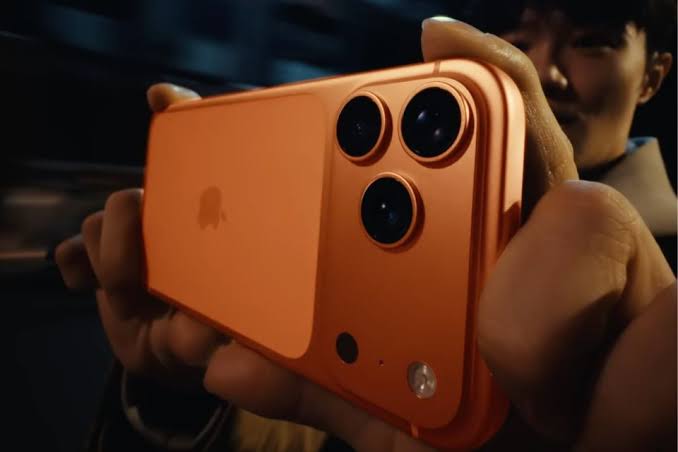
The next anti theft barrier may activate before the victim can react.
Cupertino
Apple is developing a new security feature designed to lock an iPhone automatically when the device appears to have been snatched from its owner’s hand. The system, internally known as AutoLock, has been identified in the second beta of iOS 27.2 and is intended to respond within seconds to behavior associated with street theft. It is not yet active for users, but its presence in the software indicates that Apple continues refining the technology.
AutoLock would rely on several signals rather than a single movement. The iPhone’s gyroscope can detect sudden acceleration consistent with a device being grabbed, while the system can also consider whether the phone unexpectedly loses contact with a paired Apple Watch or experiences prolonged network disconnection. Another possible indicator is unusually long activity while the device remains unlocked. Together, these signals create a behavioral profile of circumstances that could indicate theft.
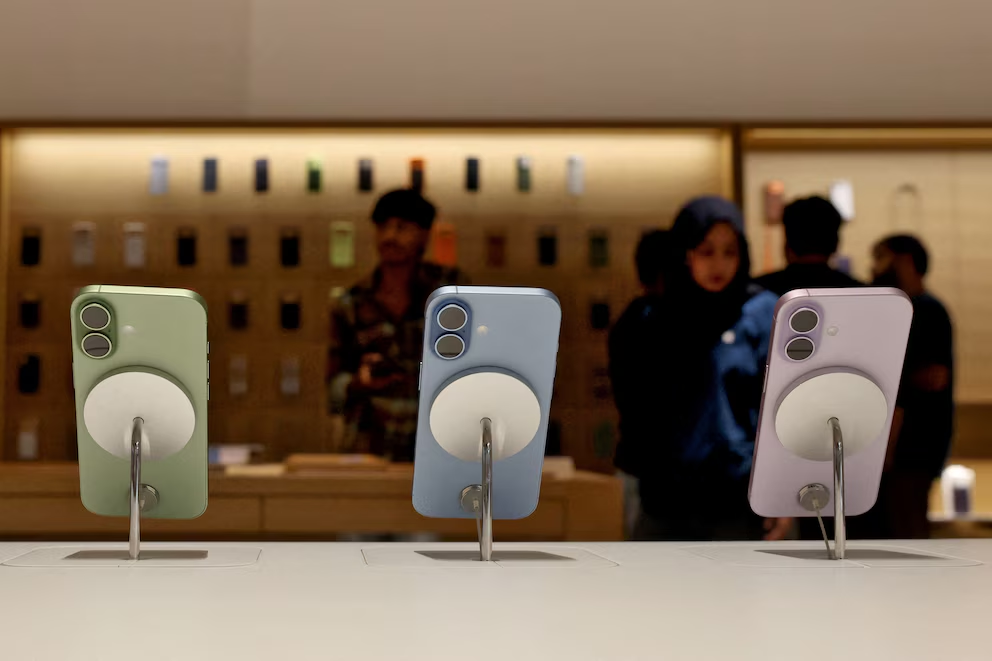
The challenge is avoiding false alarms. Apple’s approach therefore includes safeguards capable of preventing the automatic lock when legitimate activity is detected. Successful biometric authentication can indicate that the authorized user still controls the device, while certain foreground applications may also prevent normal movements from being misinterpreted as suspicious. Location information could provide another layer of context by determining whether the iPhone is operating in places frequently visited by its owner.
The system described in the beta also appears capable of temporarily suppressing repeated automatic locks after several consecutive events. This is important because a security feature that frequently misidentifies ordinary behavior could quickly become disruptive. Apple is currently analyzing the relevant signals in the background while keeping the actual locking mechanism disabled during development.
AutoLock would expand an existing security architecture that already includes Activation Lock, Find My and Stolen Device Protection. Those tools make it harder to access sensitive information or reactivate a stolen iPhone, but they usually operate after the device has already been lost or taken. AutoLock would move protection closer to the instant of the theft itself.
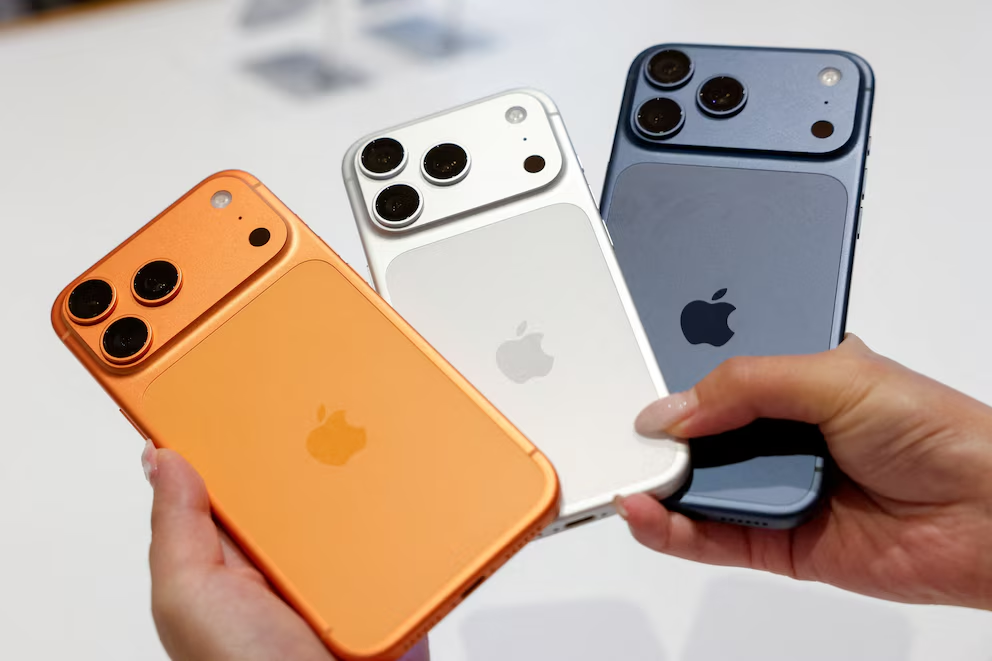
The concept is not entirely new. Android already offers theft detection technology that uses device sensors and artificial intelligence to recognize abrupt movements associated with a snatch. Apple’s development suggests that automatic behavioral detection is becoming a new standard in mobile security.
The significance lies in speed. A stolen phone can expose financial information, credentials and personal data within moments. Apple is therefore moving toward a model in which the device does not wait for the owner to report the crime before beginning to defend itself.
Phoenix24: journalism without borders.