

 Phoenix 24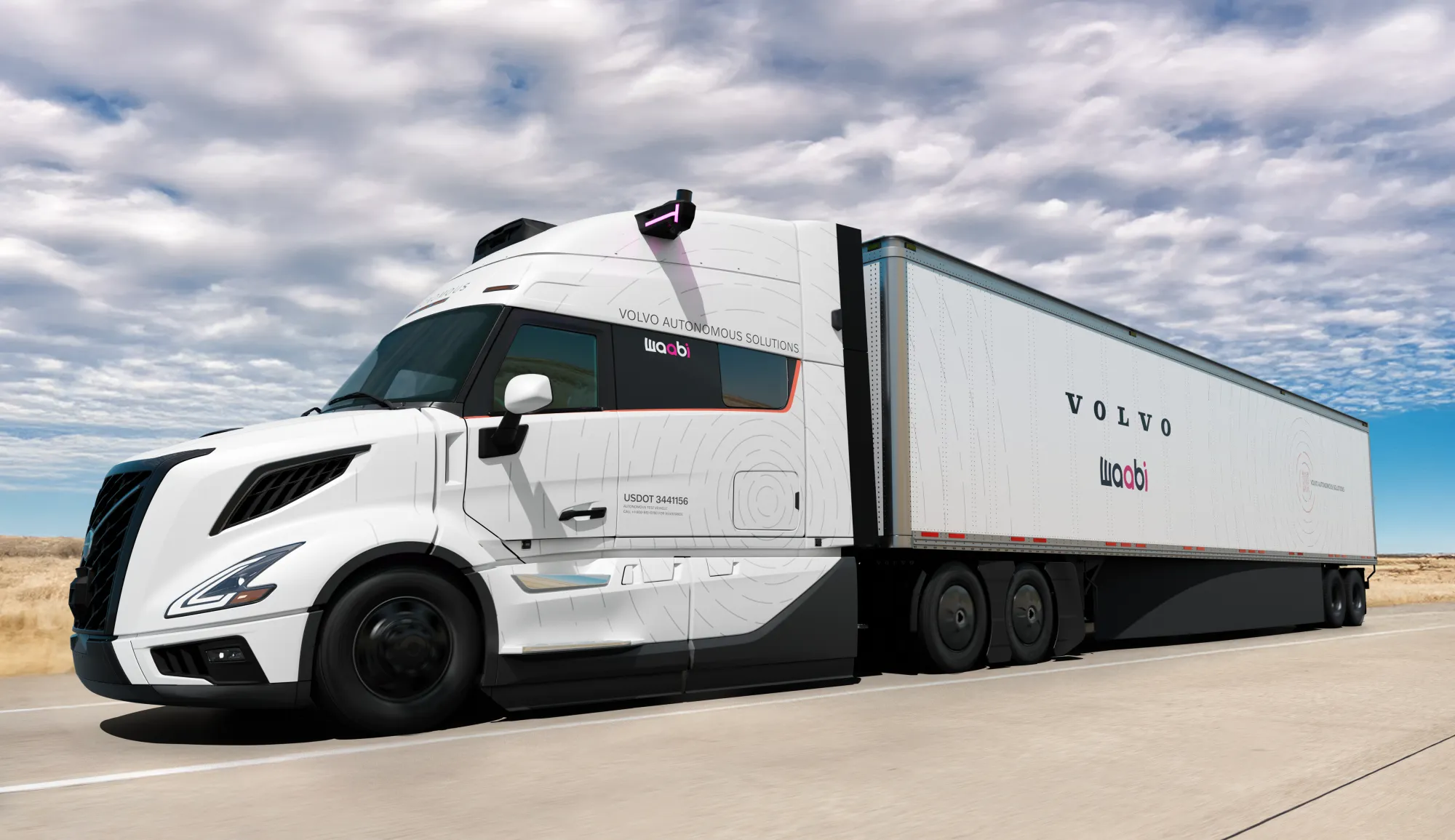
The breakthrough is not distance alone, but adaptability.
Texas
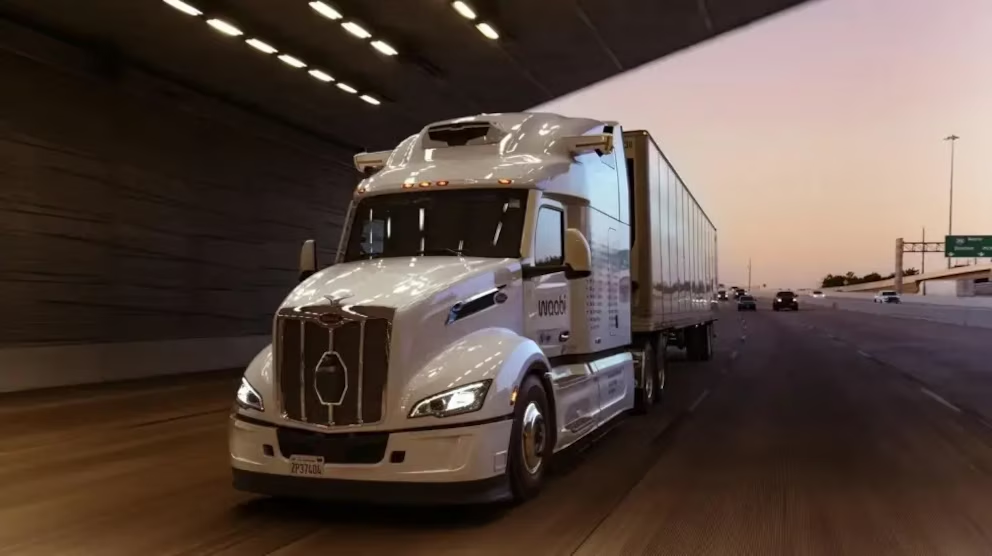
An autonomous freight truck developed by Canadian technology company Waabi has completed a 480 kilometer journey between Dallas and San Antonio without relying on high definition maps, previous route training or human intervention. The trip lasted approximately four and a half hours at an average speed of about 97 kilometers per hour. Although a safety driver was present, the company reported that the person never needed to take control.
What makes the test significant is the way the system approached an unfamiliar route. Many autonomous vehicle platforms depend on extensive mapping, simulation and repeated exposure to specific roads before operating commercially. Waabi’s truck instead encountered the corridor without having previously driven it and made decisions in real time according to the conditions it detected. That capability is central to the company’s argument that autonomous freight must eventually operate with greater flexibility.
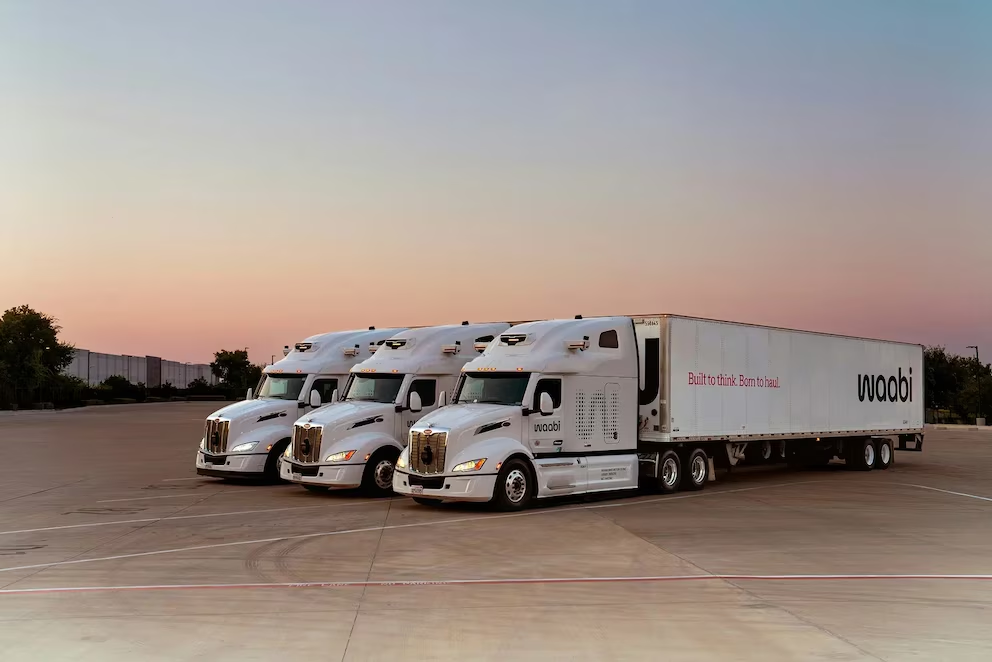
Waabi was founded in 2021 and has positioned artificial intelligence at the center of its autonomous driving architecture. Chief executive Raquel Urtasun has emphasized that freight transportation is inherently dynamic because destinations, routes and customer requirements can change continuously. A system that must be remapped or retrained for every new corridor could therefore face significant limits in cost, speed and scalability.
The Texas test directly addresses that problem. Rather than requiring weeks or months of preparation before entering a new operating area, the truck demonstrated the ability to adapt immediately to a road it had not previously encountered. That represents a different model of autonomy, one designed to reduce dependence on carefully prepared environments.
The next challenge is removing the safety driver altogether. Waabi is working with an automotive manufacturer on trucks specifically designed for fully autonomous operation, with initial production expected to begin in the first quarter of 2027. The company has also secured up to one billion dollars in financing this year to support the expansion of its technology.
The experiment does not mean that autonomous freight has solved every regulatory, technical or safety problem. Long term commercial deployment will still require validation across weather conditions, traffic environments and operational scenarios. But the strategic direction is becoming clearer.
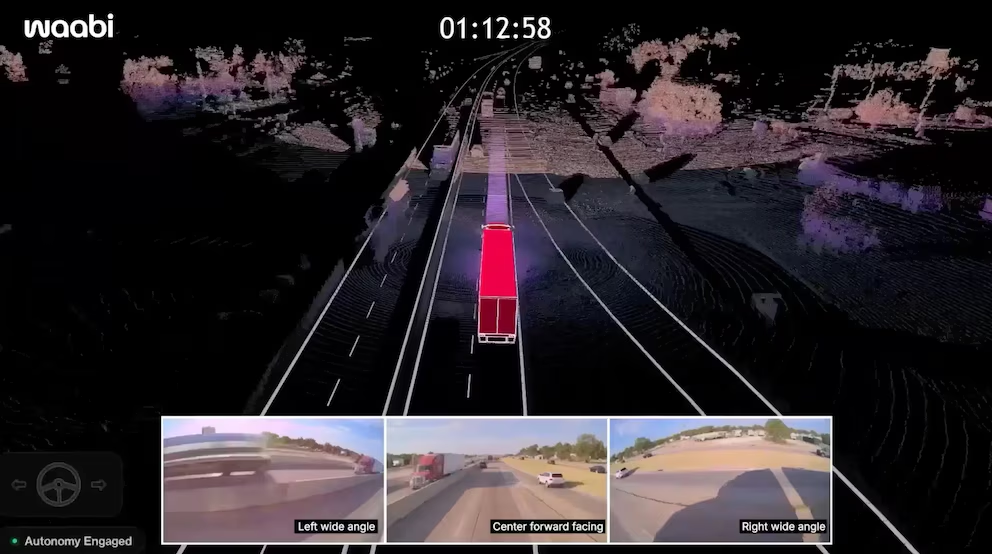
Autonomous trucking may scale fastest not when machines memorize every road, but when they become capable of understanding roads they have never seen before.
Global narrative resilience.