

 Phoenix 24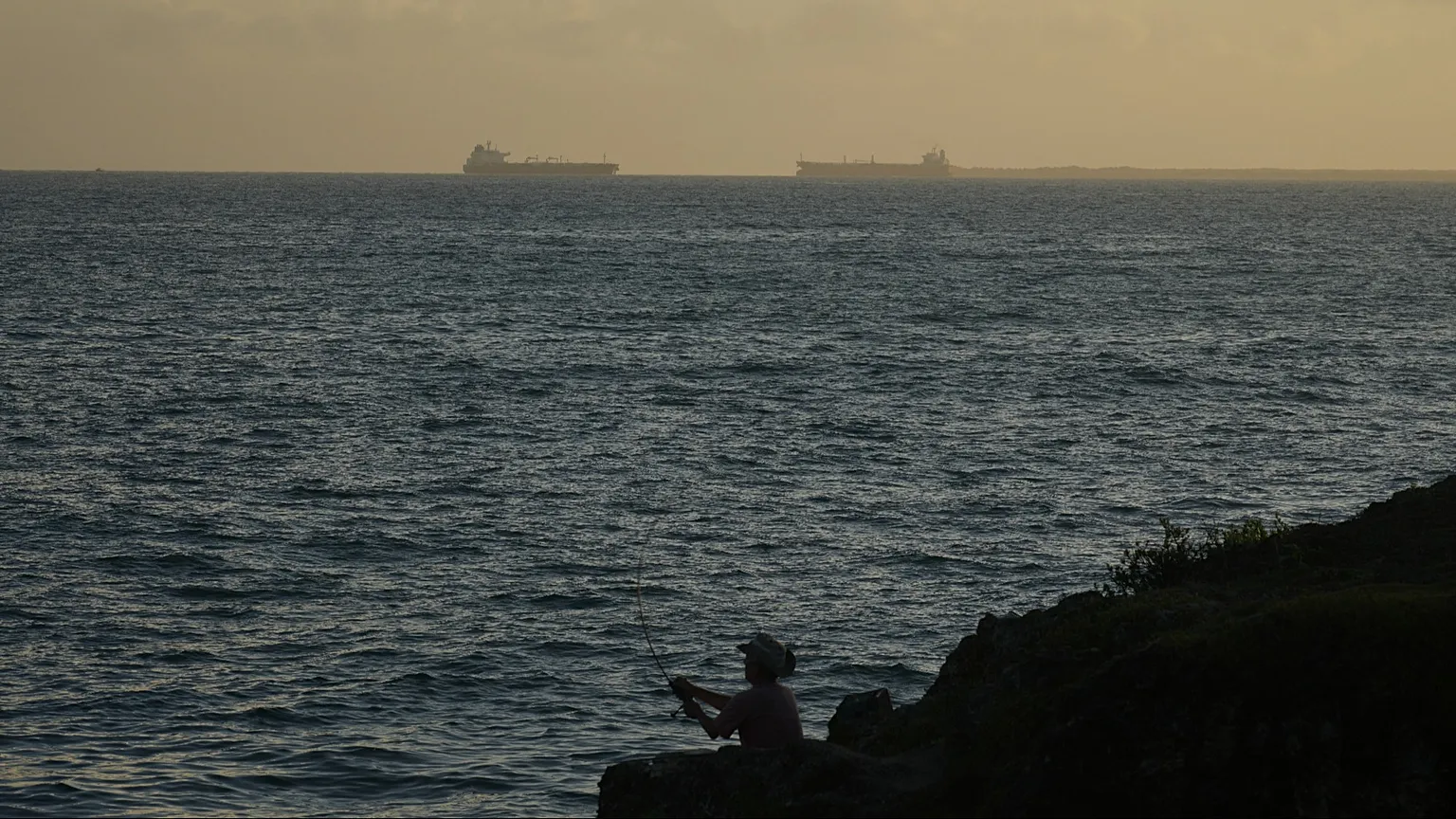
Preparation is not war, but the strategic signal is unmistakable.
Washington
The United States military is examining support requirements for a possible future operation in the U.S. Southern Command region as tensions with Cuba intensify. An internal Army Reserve message reportedly seeks information on the availability of military police, medical, engineering and logistics formations that could be needed within 90 to 120 days. The document itself does not mention Cuba, and no deployment orders have been issued. U.S. officials nevertheless indicated that the planning is connected to continuing military contingency work focused on the island.
The distinction between contingency planning and an approved military operation is critical. U.S. officials stressed that the existence of planning does not mean President Donald Trump or the Pentagon has decided to authorize action. Southern Command also declined to discuss possible deployments, saying that it routinely assesses potential requirements across its area of responsibility. What the reporting establishes is preparation, not a final decision to use force.
The preparations nevertheless come amid a sharper U.S. posture toward Havana. American forces have reportedly conducted reconnaissance around maritime approaches to Cuba, while military planners examined options that included a possible Army led air assault. Those discussions have unfolded alongside increased economic pressure and accusations from Washington that Cuba has strengthened ties with Russia, China and Iran. Cuban President Miguel Díaz-Canel, meanwhile, has publicly characterized U.S. pressure as aggression and has said Cuba would respond to any attack.
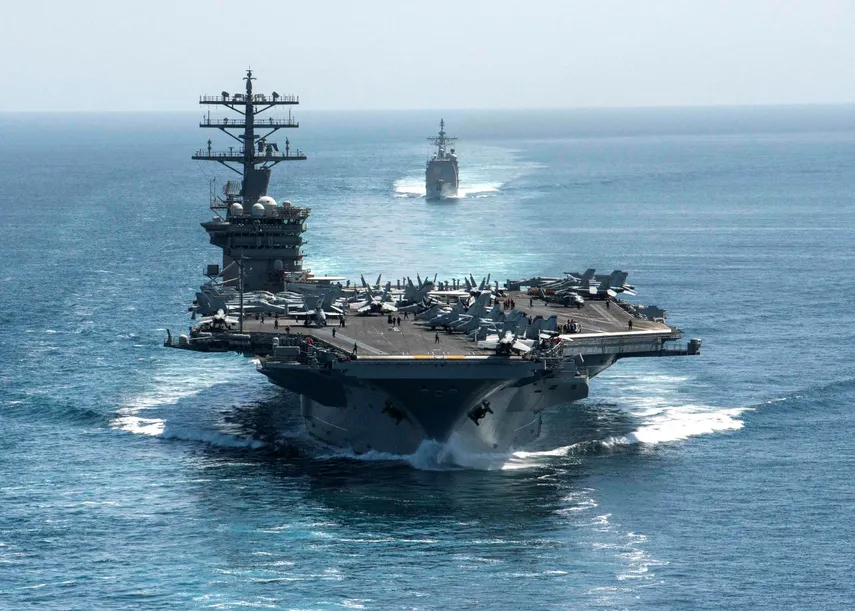
The political context has also become more explicit. During his September 22 address to the United Nations, Trump said his administration wanted fundamental political change in Cuba, while the White House framed his broader foreign policy message around confronting perceived adversaries and defending U.S. strategic interests. Those statements add political weight to military planning but still do not constitute confirmation of an imminent operation.
Any military action involving Cuba would immediately carry consequences extending beyond the island. Geography places Cuba close to the continental United States and along strategically important Caribbean routes, while any escalation would intersect with migration, regional diplomacy, trade and the presence of competing global powers in Latin America. The significance of the current development therefore lies less in proving that conflict is inevitable than in showing that Washington is actively preparing for contingencies that previously belonged largely to political rhetoric.
For now, the most precise conclusion is also the most important: the United States is laying military groundwork, but there is no publicly confirmed order to attack Cuba. The gap between those two realities is where diplomacy, deterrence and escalation now intersect.
La verdad es estructura, no ruido. / Truth is structure, not noise.