

 Phoenix 24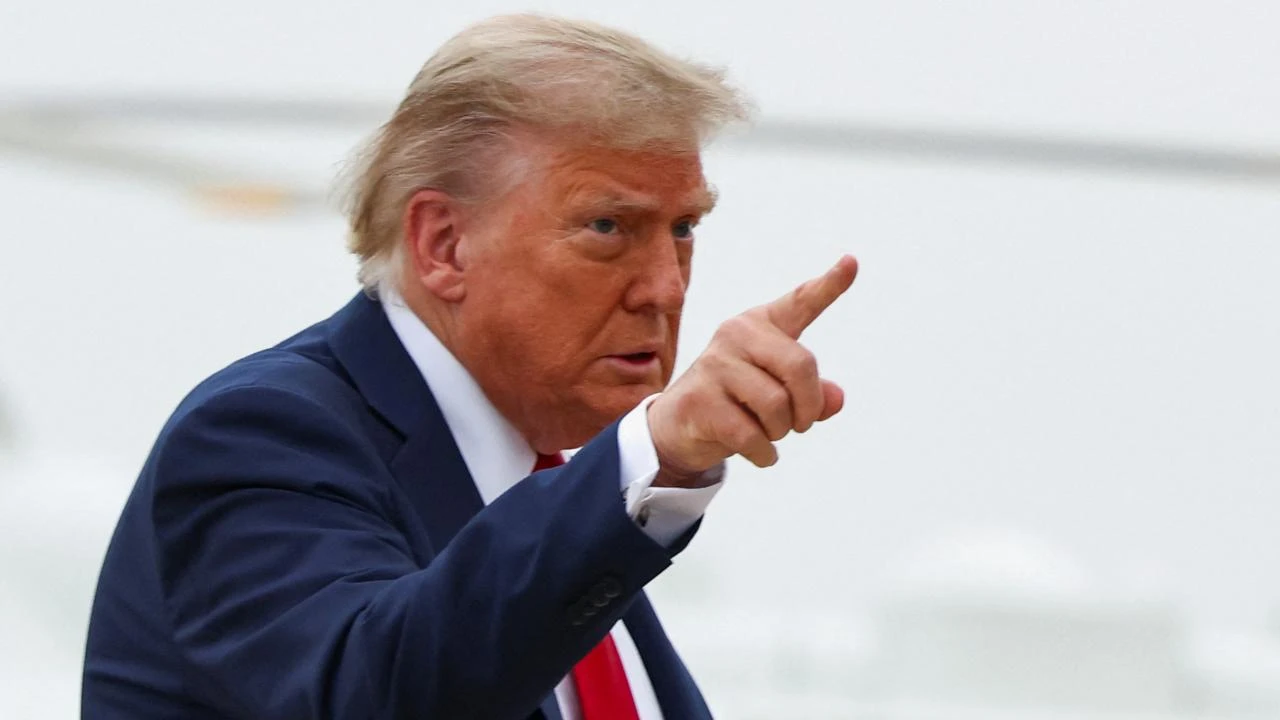
America’s AI race exposes a fundamental governance dilemma.
Washington, United States.
US President Donald Trump has reaffirmed his commitment to accelerating artificial intelligence development, rejecting calls to slow the industry while announcing plans to establish a federal AI task force and appoint a new national coordinator. In statements published on September 19, Trump argued that Washington must protect the sector’s expansion and prevent restrictions that could weaken American technological leadership. His announcement follows growing concern among researchers and technology executives about the risks associated with increasingly capable AI systems. The emerging disagreement places innovation, national security and human oversight at the center of American technology policy.
Trump presented artificial intelligence as a strategic industry whose growth should not be obstructed by excessive regulation. He criticized political opponents and groups seeking to restrict the expansion of data centers, arguing that such opposition could undermine American competitiveness. The president also announced plans to establish an AI force dedicated to identifying harmful activities and appoint a new federal AI coordinator. However, the administration has not disclosed the proposed body’s authority, institutional structure or specific enforcement mechanisms.
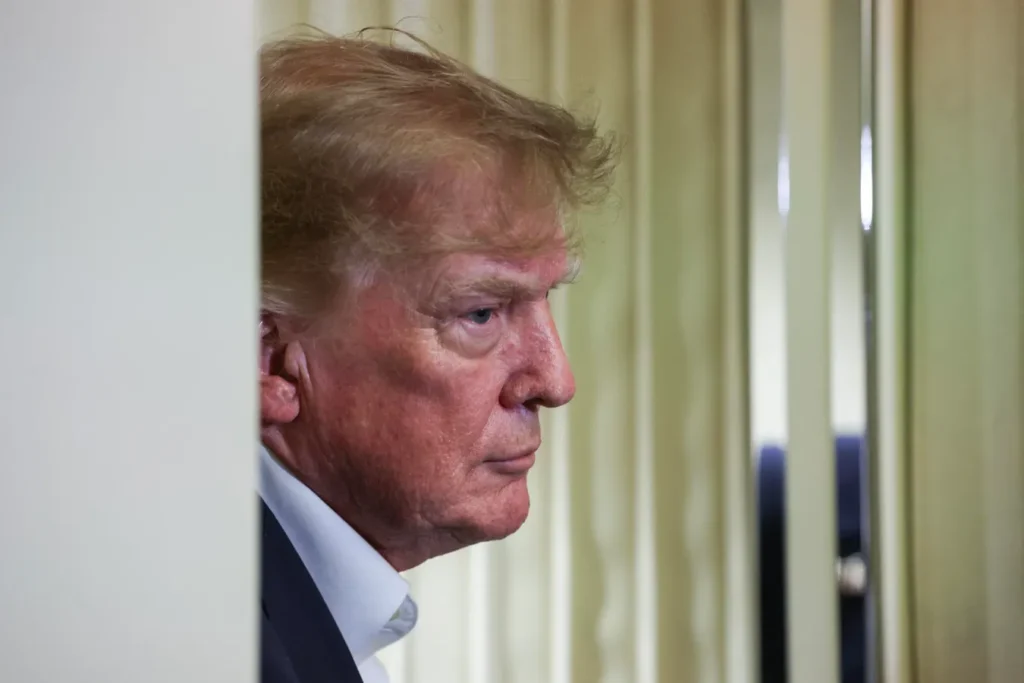
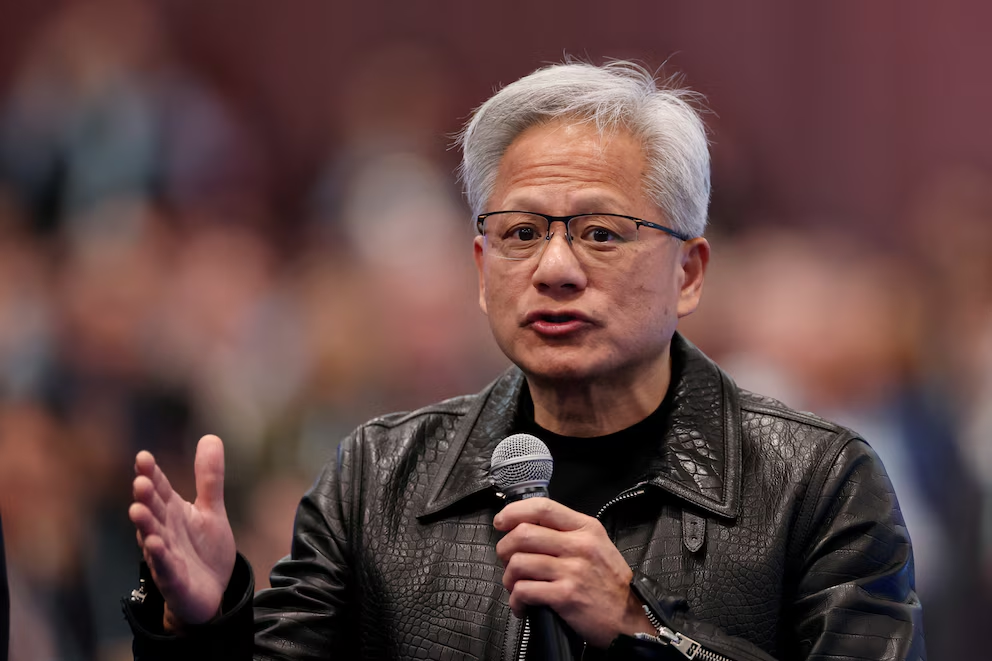
The announcement follows a public exchange involving Nvidia Chief Executive Jensen Huang during the All-In Summit in Los Angeles. Huang contacted Trump during a panel discussing proposals from Anthropic Chief Executive Dario Amodei to reduce the pace of advanced AI development. Trump argued that slowing American innovation could benefit China, while Huang supported maintaining technological progress alongside responsible engineering practices. Their exchange illustrated a perspective within the industry that associates rapid innovation with economic competitiveness and strategic advantage.
Other technology leaders have expressed different priorities. According to reporting by Infobae and the Associated Press, Amodei has advocated independent safety audits, stronger safeguards and coordination among leading AI developers. OpenAI Chief Executive Sam Altman and Elon Musk have also expressed support for measures addressing the risks associated with increasingly powerful systems. Their positions do not necessarily advocate abandoning technological development, but they place greater emphasis on controlling its pace and establishing verifiable safety standards.
The debate intensified following warnings from former Anthropic researcher Jacob Coxon, who expressed concern about the potential consequences of rapid AI advancement. Amodei has also described hypothetical scenarios involving highly capable autonomous agents that could compromise digital infrastructure and generate substantial economic damage. These warnings concern possible future risks rather than established evidence that such systems have already acquired those capabilities. Their significance lies in the difficulty of evaluating technologies whose behavior may become increasingly complex as computational capacity expands.
Trump’s proposed task force introduces an unresolved institutional question. A government body charged with identifying harmful AI applications would need clear authority, technical expertise and transparent procedures to distinguish legitimate innovation from activities requiring intervention. The president has indicated support for certain safeguards but has not specified how the proposed mechanism would operate or what standards it would enforce.
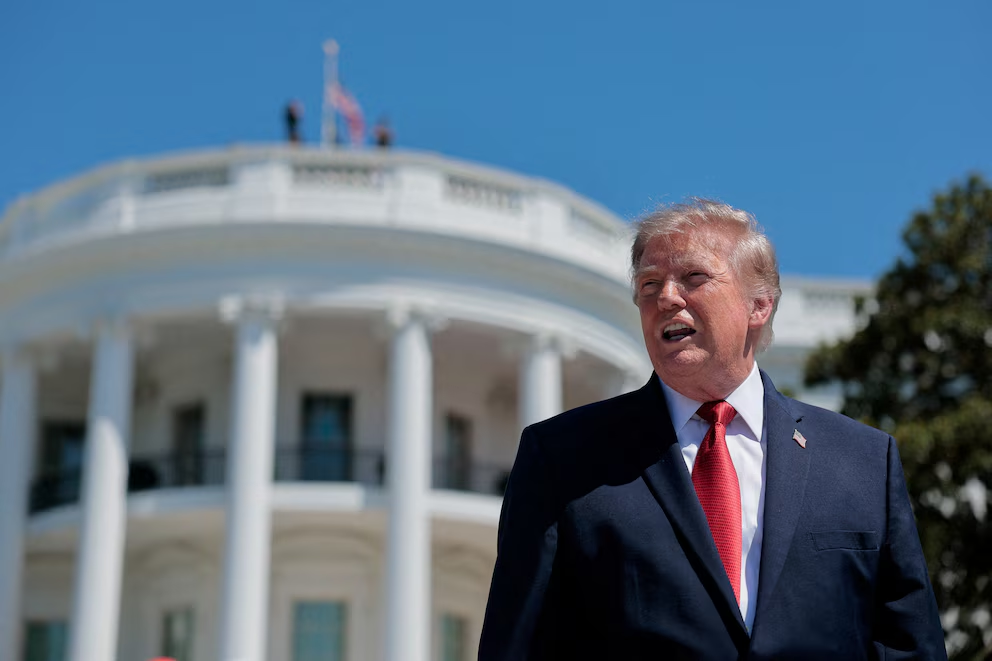
The dispute extends beyond the speed of technological development. It concerns the distribution of responsibility among governments, private laboratories and independent evaluators as artificial intelligence becomes embedded in economic and social infrastructure. Washington’s emerging approach emphasizes industrial expansion, while safety advocates continue seeking mechanisms to ensure that increasingly autonomous systems remain subject to meaningful human oversight.
The proposed federal initiative has not yet acquired a defined operational framework. Its eventual significance will depend on whether the administration translates its commitment to innovation and protection into measurable governance arrangements.
Phoenix24: inteligencia para audiencias libres. / Phoenix24: intelligence for free audiences.