

 Phoenix 24
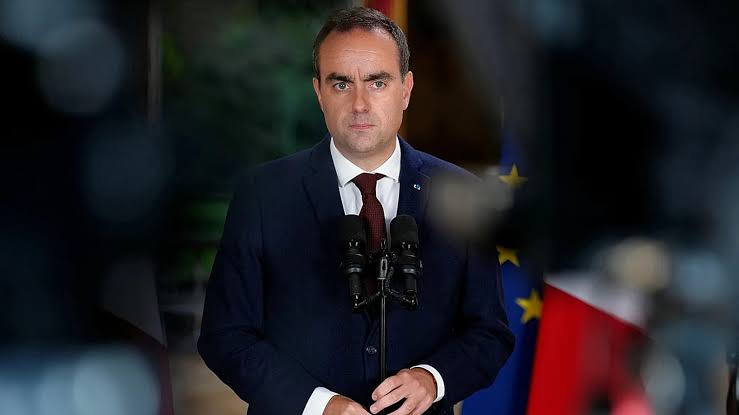
Higher wages meet the challenge of economic competitiveness.
PARIS
French Prime Minister Sébastien Lecornu has announced a 1.6% increase in the national minimum wage, bringing monthly take-home pay to approximately €1,502 from December 1, alongside proposed tax incentives designed to encourage higher earnings without placing excessive pressure on businesses. The measures come amid mounting public frustration over living costs, wages and economic uncertainty.
The decision brings forward the increase originally expected in January 2027 and adds a discretionary 0.6 percentage-point adjustment to an estimated 1% inflation-related rise. For workers earning the statutory minimum, the combined adjustment represents approximately €24 more per month.
Announced after discussions with trade unions and employers at the Hôtel de Matignon, the initiative forms part of a broader effort to restart wage negotiations across France’s private sector.
Lecornu acknowledged that increasing the minimum wage alone would not resolve the country’s purchasing-power difficulties. Instead, he presented the adjustment as an opportunity to encourage collective bargaining across approximately 100 professional sectors, where wage agreements influence remuneration beyond the statutory minimum.
The government also intends to reconsider the system of employer social security contribution reductions. These arrangements, which represent approximately €70 billion annually, are intended to support employment and limit labor costs. Officials now want to examine whether the incentives adequately encourage wage progression and economic competitiveness.
Additional proposals include raising the annual income tax exemption threshold for overtime earnings from €7,500 to €10,000, extending favorable tax treatment for employer contributions covering up to 75% of public transportation subscriptions, and broadening access to tax-advantaged employee profit-sharing bonuses.
These measures remain proposals requiring the appropriate regulatory or legislative steps. They should not be confused with tax reductions already implemented.
The government’s strategy reflects a difficult economic trade-off. Higher wages can strengthen household purchasing power, potentially supporting consumer spending. However, additional payroll expenses may also create financial pressure for smaller companies operating with limited margins.
Trade unions have responded cautiously. The CFDT had demanded an additional €100 in monthly take-home pay, while the CGT sought approximately €150. Both figures considerably exceed the announced adjustment.
CGT leader Sophie Binet has called for another national mobilization on November 17, reflecting dissatisfaction with the scale of the government’s response.
Employers, meanwhile, remain concerned about labor costs, taxation and an uncertain economic outlook. The prospect of further wage negotiations creates questions about how companies will finance increases while protecting employment and investment.
The government faces additional constraints from France’s public finances, limiting its capacity to introduce extensive subsidies or permanent spending commitments.
The outcome will depend partly on whether negotiations produce meaningful increases beyond the minimum wage and whether proposed tax incentives receive the necessary approvals.
For French workers, the immediate benefit is measurable but modest. For businesses, the promised flexibility remains subject to negotiation. The larger challenge is determining whether stronger purchasing power and sustainable employment can advance together.
Behind Every Decision, a Larger Consequence.