

 Phoenix 24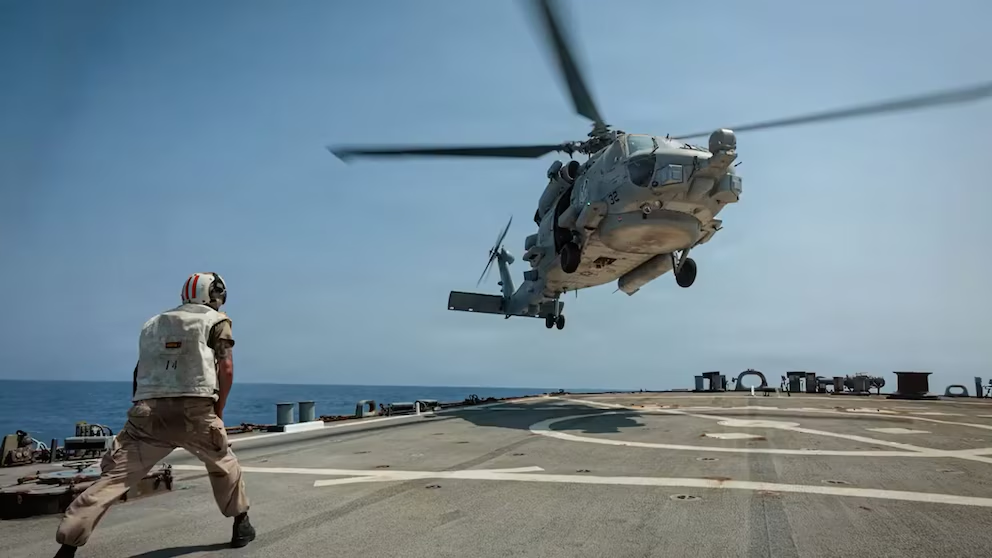
A strategic waterway becomes an instrument of economic pressure.
Washington, United States.
The United States military has facilitated the passage of more than one billion barrels of crude oil through the Strait of Hormuz over the past two months, marking a significant milestone in efforts to restore commercial navigation amid the conflict with Iran. Admiral Brad Cooper, commander of US Central Command, announced the achievement on September 19, confirming that American forces had provided coordinated protection for more than 2,000 commercial vessel transits. The operation combines maritime security with an economic blockade designed to restrict Iranian oil exports. Its significance extends beyond military operations, directly affecting global energy supplies and international trade.
According to Cooper, the principal shipping lanes through the strait have been cleared of mines, allowing thousands of vessels to navigate the waterway. He reported that shipments of crude oil, liquefied natural gas and other cargo had reached their highest levels in six months during the previous two weeks. The commander attributed this improvement to sustained military operations and cooperation with regional partners. These figures represent the US military’s assessment of its operations rather than an independently audited account of all commercial traffic.

The American strategy establishes a distinction between facilitating exports from Gulf partners and restricting shipments originating in Iran. Cooper maintained that the blockade had prevented Tehran from exporting any crude oil through the affected maritime routes. Independent verification of that comprehensive claim remains limited, particularly because some vessels operate without continuously transmitting their positions. The policy nevertheless demonstrates Washington’s intention to preserve energy flows from allied countries while increasing economic pressure on Iran.
The operation involves more than American naval forces. Central Command is coordinating with all six members of the Gulf Cooperation Council, insurance providers and international shipping companies to increase commercial traffic. Regional cooperation also includes strengthening air defense capabilities and establishing a new coalition unit equipped with attack drones. These arrangements reflect the interconnected requirements of maritime protection, military readiness and commercial confidence.
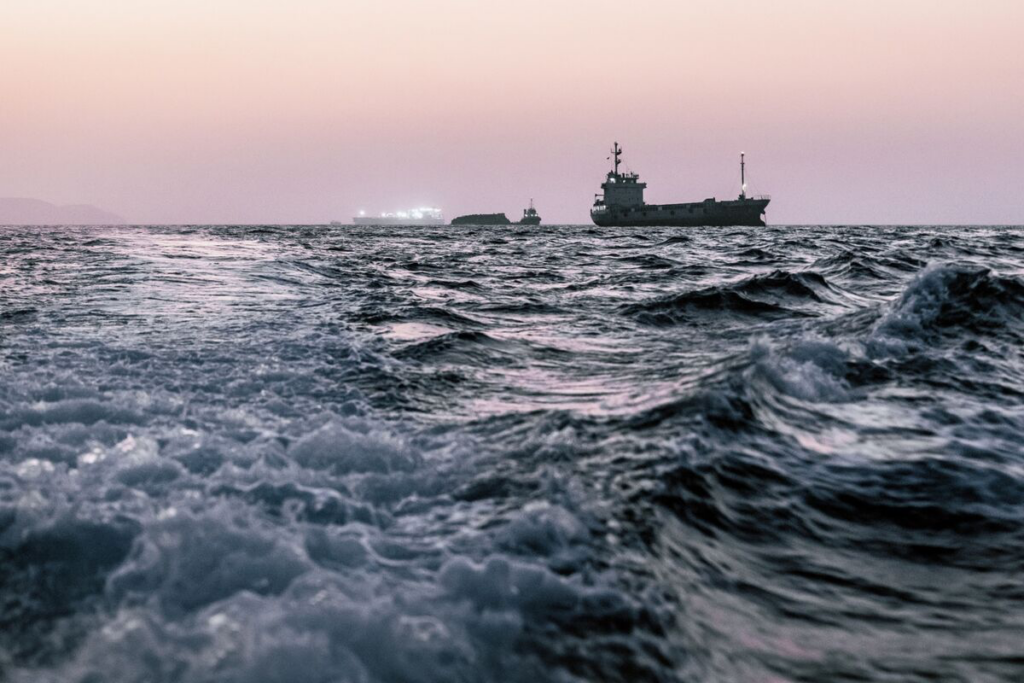
Despite the announced progress, the wider energy market remains under pressure. Reuters reported that commercial traffic through Hormuz continued to fluctuate sharply in mid-September, with shipping volumes remaining below normal levels. Persistent security risks have complicated insurance arrangements and transportation schedules, while disruptions elsewhere in the Middle East have increased uncertainty surrounding petroleum supplies. Restoring individual shipping corridors does not automatically restore the stability that existed before the conflict.
The economic consequences are visible in the United States. Diesel prices remained close to historical highs, reaching approximately $6.43 per gallon according to figures cited by the fuel-price monitoring service GasBuddy. Elevated transportation costs can spread through agricultural production, manufacturing and consumer distribution, creating additional inflationary pressure. The military’s announced shipping milestone therefore represents progress in maintaining supply rather than evidence that the energy crisis has ended.
The Strait of Hormuz has become a focal point where military authority, commercial navigation and economic pressure converge. Washington is simultaneously protecting selected energy shipments and restricting Iranian exports, creating a maritime arrangement shaped by the broader conflict.
The central question is whether coordinated protection can restore sustained commercial confidence while military hostilities and the blockade continue.
Geopolítica, sin maquillaje. / Geopolitics, unmasked.