

 Phoenix 24
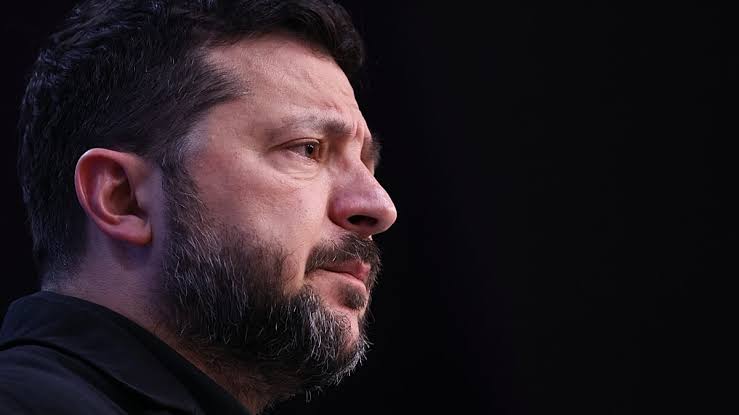
Satellite connectivity becomes a new point of tension in the war.
KYIV, Ukraine. Ukrainian President Volodymyr Zelenskyy has accused Elon Musk’s SpaceX of providing misleading explanations about restrictions affecting the Starshield satellite communications network, warning that the disruption is weakening Ukraine’s ability to intercept Russian attack drones.
The dispute intensified on November 14, 2026, when Zelenskyy challenged SpaceX’s explanation that the connectivity problems were technical. Ukrainian military officials reported that terminals operating in Russian-occupied Ukrainian territory were losing connectivity when traveling faster than approximately 161 kilometers per hour.
According to Zelenskyy, the restrictions had persisted for five days and were affecting operations across the front line.
Starshield is the government and military-focused satellite service developed by SpaceX, distinct from its commercial Starlink network. Ukrainian forces rely on satellite connectivity for communications, reconnaissance and certain drone operations.
The reported speed limitation is especially significant for interceptor drones designed to pursue Russian unmanned aircraft. If communications fail above the specified threshold, operators may be unable to maintain control of faster-moving interceptors.
Zelenskyy said the disruption had already complicated efforts to stop Russian jet-powered attack drones, potentially leaving civilian infrastructure more vulnerable.
However, the precise operational consequences have not been independently established. SpaceX has denied introducing new restrictions or making changes to its satellite operations.
The Ukrainian president rejected the suggestion that the situation was merely a technical malfunction and questioned whether decisions affecting connectivity in occupied territories reflected broader political considerations.
No independently verified evidence has established that SpaceX deliberately imposed the reported restrictions for political reasons.
Kyiv has directed its defense and foreign affairs officials to intensify discussions with SpaceX, the Pentagon and the US State Department to obtain explanations and restore the capabilities Ukrainian forces say they need.
The dispute follows similar connectivity concerns reported in October, when Ukrainian officials described restrictions affecting satellite-enabled military operations.
The latest confrontation also coincides with renewed diplomatic discussions about possible security arrangements and territorial concessions in negotiations aimed at ending Russia’s invasion.
Zelenskyy has said American representatives raised the possibility of Ukraine withdrawing from Donbas in connection with NATO membership or comparable security guarantees. No agreement on such an arrangement has been announced.
Beyond the immediate technical dispute, the episode highlights the strategic importance of privately developed communications infrastructure in modern warfare.
Governments increasingly depend on commercial technology companies for capabilities that directly influence military operations and national security.
For Ukraine, resolving the reported connectivity problem is an operational priority. More broadly, the controversy raises questions about transparency, accountability and control when essential defense systems depend on external technology providers.
Behind Every Decision, a Larger Consequence.