

 Phoenix 24
It’s not just lost energy: a silent drain could be proof that someone is tracking you.
International, August 2025 – The next time you notice your smartphone battery draining faster than usual, it might not be a technical glitch—it could be an alarming sign: spyware running silently in the background. Cybersecurity experts and specialized outlets such as Norton, Avast, and recent technical analyses point to excessive, unexplained battery drain as one of the earliest indicators that your device may be compromised.
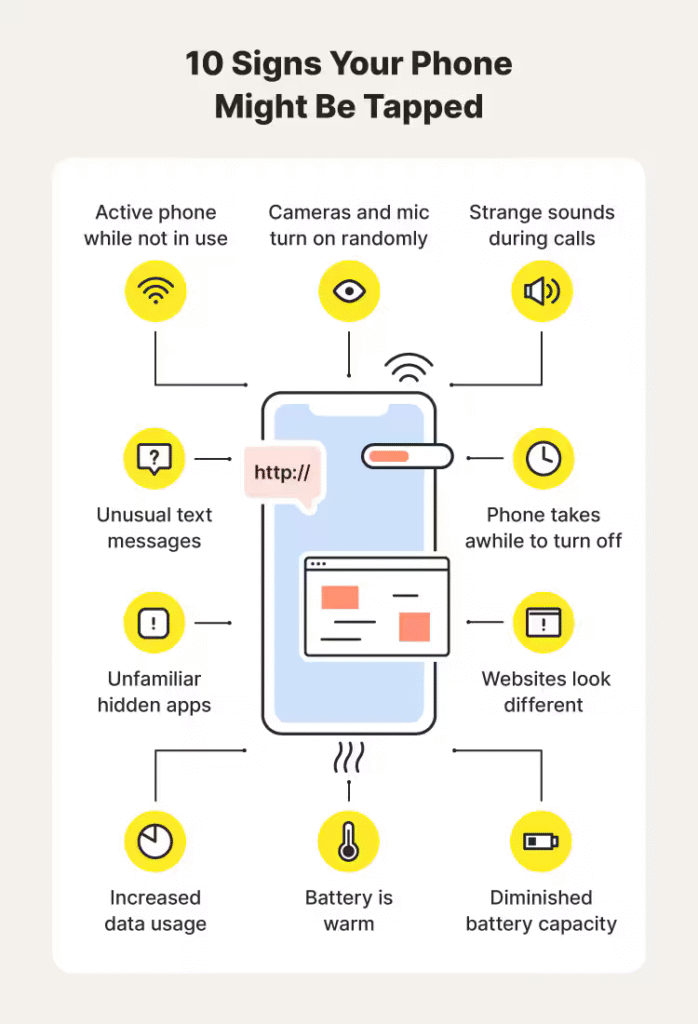
In March this year, Norton identified premature battery depletion among the main symptoms of a hacked phone, often linked to unauthorized processes consuming resources in the background. It also flagged overheating or sudden spikes in mobile data usage as critical signs of active malware.
Avast reinforces this assessment: an unusually warm battery or one that depletes rapidly—even while idle—may suggest the presence of spyware recording activity, intercepting communications, or transmitting data without your knowledge. Warnings from counter-surveillance experts echo this, noting how monitoring software can remain active, consuming power while keeping the device operational yet pretending to be inactive.
The publication Tradecraft highlights that a phone battery draining even while the device appears to be off is a classic indicator of high-level espionage: “That’s a surveillance network working overtime on its hidden microphones,” its report states, referencing techniques used by intelligence agencies. Experience shows that even with the screen off, advanced spyware can continue running, recording, and transmitting data.
According to a Surfshark report, some of the most reliable signs of digital espionage include unexpected spikes in data consumption, spontaneous device reboots, unusual heating, and unstable battery behavior. When combined, these factors form an abnormal usage pattern that rarely originates from common hardware faults.
Academic research on energy side channels in mobile devices—such as Power Side Channel or MagneticSpy—further supports the idea that battery consumption patterns can reveal hidden activities. While these scientific findings are not inherently linked to espionage, they validate how certain energy-use signatures can expose clandestine behavior.
For those who suspect their phone may be under surveillance, experts recommend:
- Check your battery usage in system settings to identify apps consuming power without active use.
- Review data usage; unexpected spikes could indicate automated data transmission.
- Monitor device heat levels; a warm phone in standby may be running hidden processes.
- Note if shutdowns take longer than normal; some spyware fakes shutdowns and keeps operating in a stealth mode.
- If possible, power the device off completely, remove the battery, or store it in a Faraday bag to block signals and check for thermal recovery.
This kind of surveillance is neither common nor accidental. It requires specialized access, advanced software, or exploitation of critical vulnerabilities. That doesn’t mean everyone is being monitored, but in cases of high exposure—due to work, activism, or public profile—raising digital security awareness is essential.
A smartphone’s battery is a silent witness to what happens “behind” the screen. Learning to read its signals can protect both your privacy and your digital identity.
Elaborado por Phoenix24 con información internacional verificada y análisis independiente; este reportaje refleja nuestro compromiso con el periodismo de calidad y la responsabilidad tecnológica.
Produced by Phoenix24 with verified international information and independent analysis; this report reflects our commitment to quality journalism and technological responsibility.