

 Phoenix 24
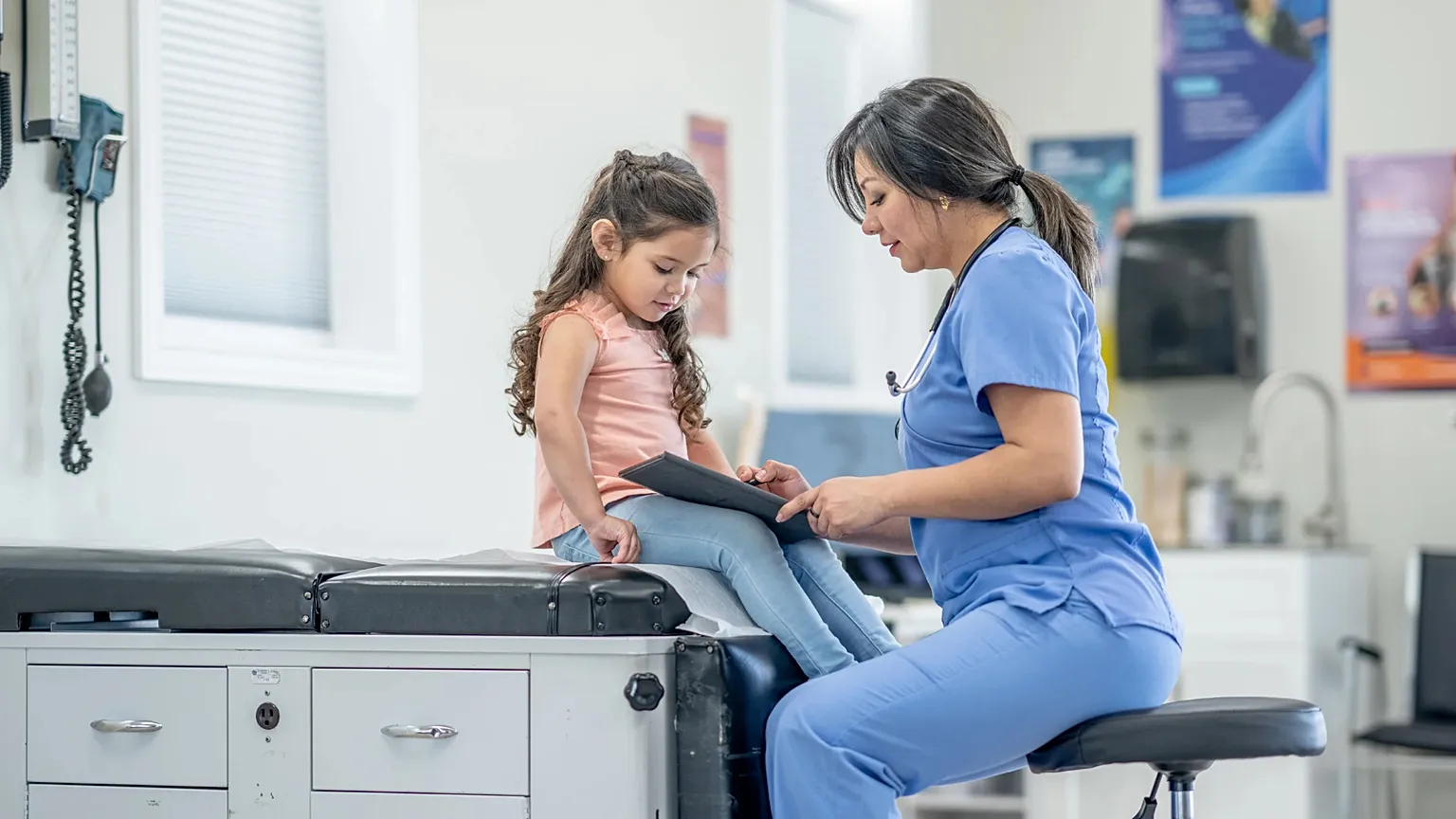
Childhood poverty is shaping health long before adulthood.
COPENHAGEN
The World Health Organization has warned that approximately 35 million children and adolescents across its European Region face preventable health and social inequalities that threaten their development and future opportunities. The findings, published in the organization’s second European Health Equity Status Report, reveal that economic circumstances, housing conditions and unequal access to essential services continue to shape health outcomes from the earliest stages of life. Despite substantial improvements in life expectancy across Europe, millions remain excluded from the benefits of that progress.
The report estimates that 187 million people, roughly one in five residents of the WHO European Region, experience avoidable disadvantages affecting their health and well-being. The region encompasses 53 countries across Europe and Central Asia, making the findings considerably broader than the European Union alone. Children represent a particularly vulnerable population because inequalities established early in life can influence educational attainment, employment prospects and long-term health.
The differences between wealthy and disadvantaged households are especially troubling. Children from the least affluent families are twice as likely to die before reaching their fifth birthday as those from the wealthiest households, according to the WHO’s comparative evidence. Economic disadvantage is also associated with unstable housing, inadequate nutrition and limited access to early childhood education, creating overlapping barriers that conventional medical interventions cannot resolve independently.
The organization identifies the first 1,000 days of life as a critical period for preventing disadvantages from becoming entrenched. Investments in maternal health, nutrition, family support and early learning can generate substantial benefits throughout childhood and adulthood. According to the report, well-designed early interventions may produce returns of up to eight times their initial investment over a child’s lifetime, although outcomes depend on the policies implemented and the circumstances in which they operate.
Gender adds another dimension to these disparities. The findings indicate that girls from low-income families reported poorer health in 91% of the countries examined, while comparable disadvantages among boys appeared in 96%. Adolescents also face unequal exposure to bullying, social exclusion and barriers to educational opportunities, demonstrating that health inequalities encompass psychological and social conditions as well as physical illness.
Geographical patterns reveal that progress has not been uniform. Eastern European countries recorded comparatively faster reductions in certain health inequalities, while northern Europe experienced limited overall improvement. Western Europe displayed substantial disparities between population groups, suggesting that national prosperity and advanced health systems do not necessarily guarantee equitable outcomes for children.
The report also challenges the assumption that health inequality can be addressed primarily through hospitals and medical spending. Income insecurity, precarious employment, unaffordable housing and limited educational opportunities frequently determine whether families can maintain healthy living conditions. These structural factors interact over time, allowing disadvantages experienced by one generation to influence the opportunities available to the next.
WHO recommendations include protecting affordable health care for low-income households, strengthening parental support and expanding access to early childhood services. Free or subsidized school meals, evidence-based anti-bullying programs and family benefits are among the measures identified as potentially effective. The organization also urges governments to assess how budget reductions affect vulnerable populations before implementing changes to public services.
Beyond the immediate public health implications, the findings carry significant economic and institutional consequences. Preventable childhood disadvantages can contribute to lower educational achievement, reduced workforce participation and greater demand for health and social services later in life. Addressing these inequalities therefore requires coordination between health systems, educational institutions, labor policies and social protection programs rather than isolated interventions.
The WHO’s assessment raises a question that extends beyond Europe: whether societies can genuinely claim progress when the circumstances of birth continue to determine who receives the opportunity to live a healthy life. Improvements in medical technology and national prosperity remain important, but their social value depends partly on how widely their benefits are distributed.
Behind Every Fact, a Deeper Story.